- Overview
- Trip Outline
- Trip Includes
- Trip Excludes
- Gallery
- Reviews
- FAQ
The Upper Mustang Trek is an extraordinary journey into the ancient kingdom of Lo, a hidden desert region nestled in northern Nepal. Often referred to as the “Last Forbidden Kingdom of Nepal”, Upper Mustang remains one of the most remote and culturally preserved regions of the Himalayas. This trek is perfect for travelers seeking adventure, off-the-beaten-path trekking, and a deep cultural experience while enjoying breathtaking Himalayan landscapes.
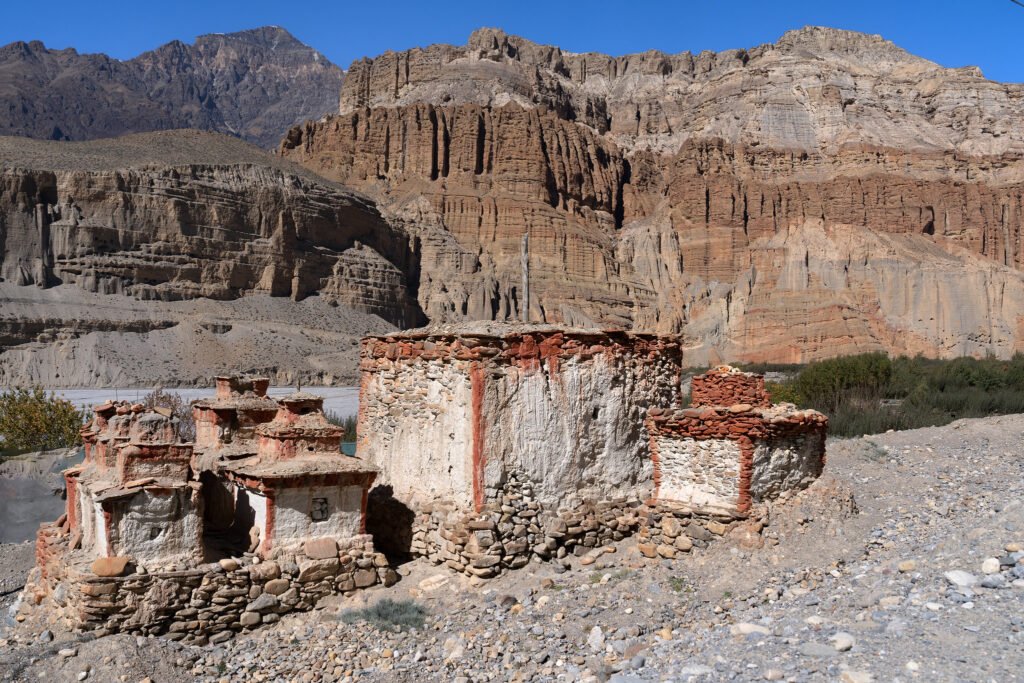
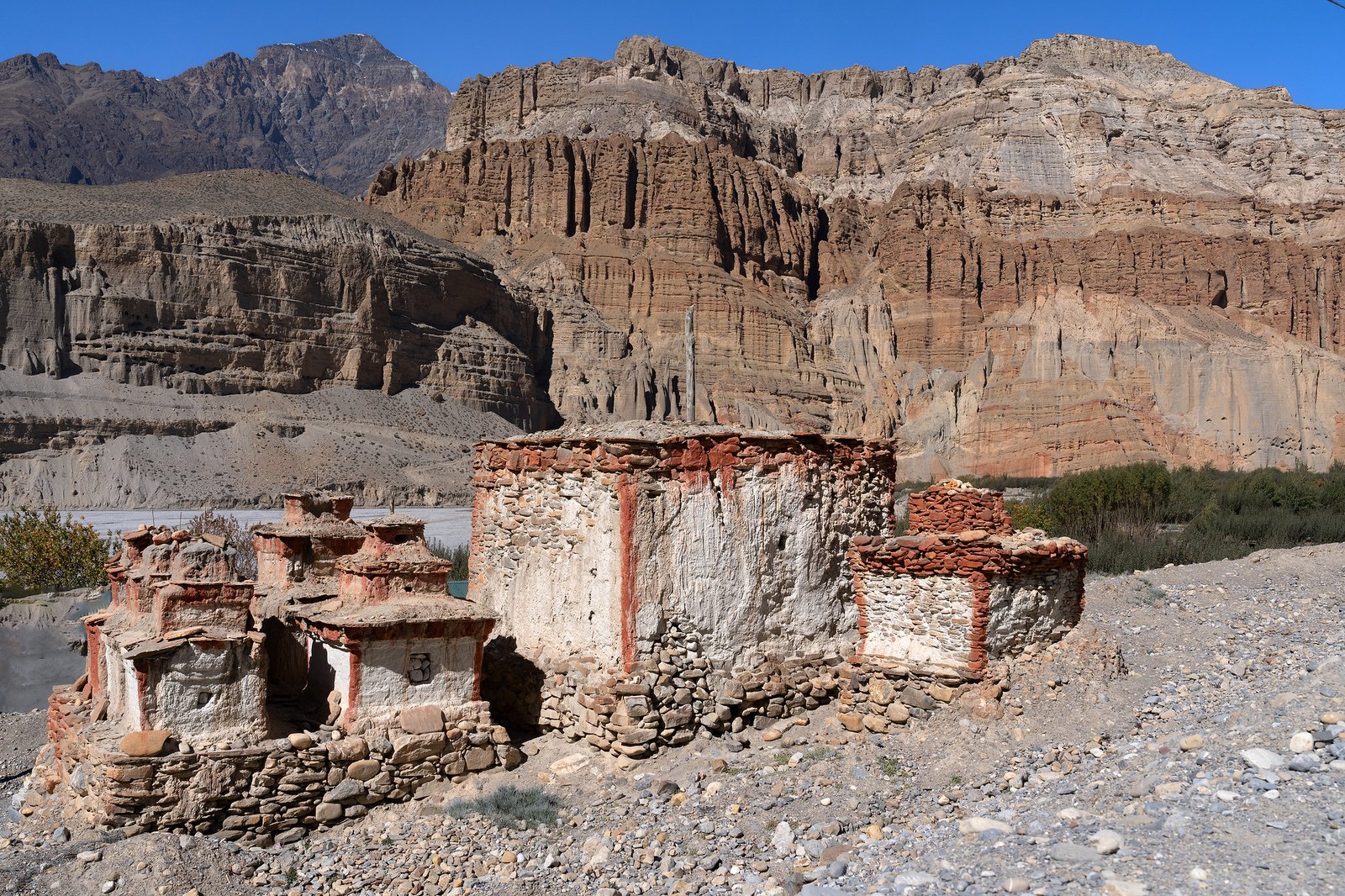
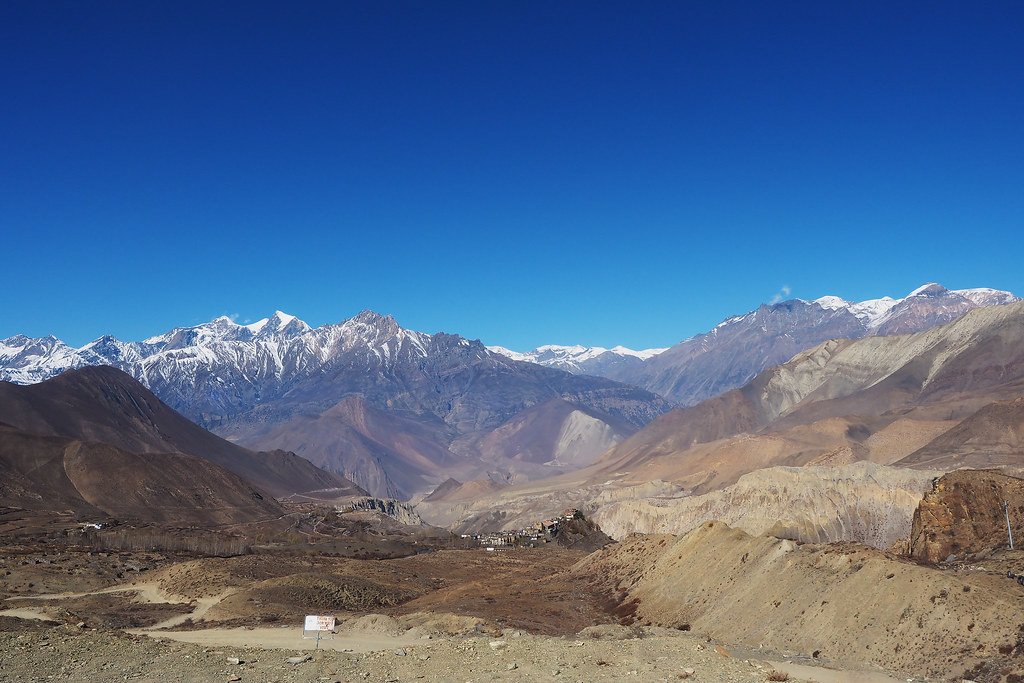
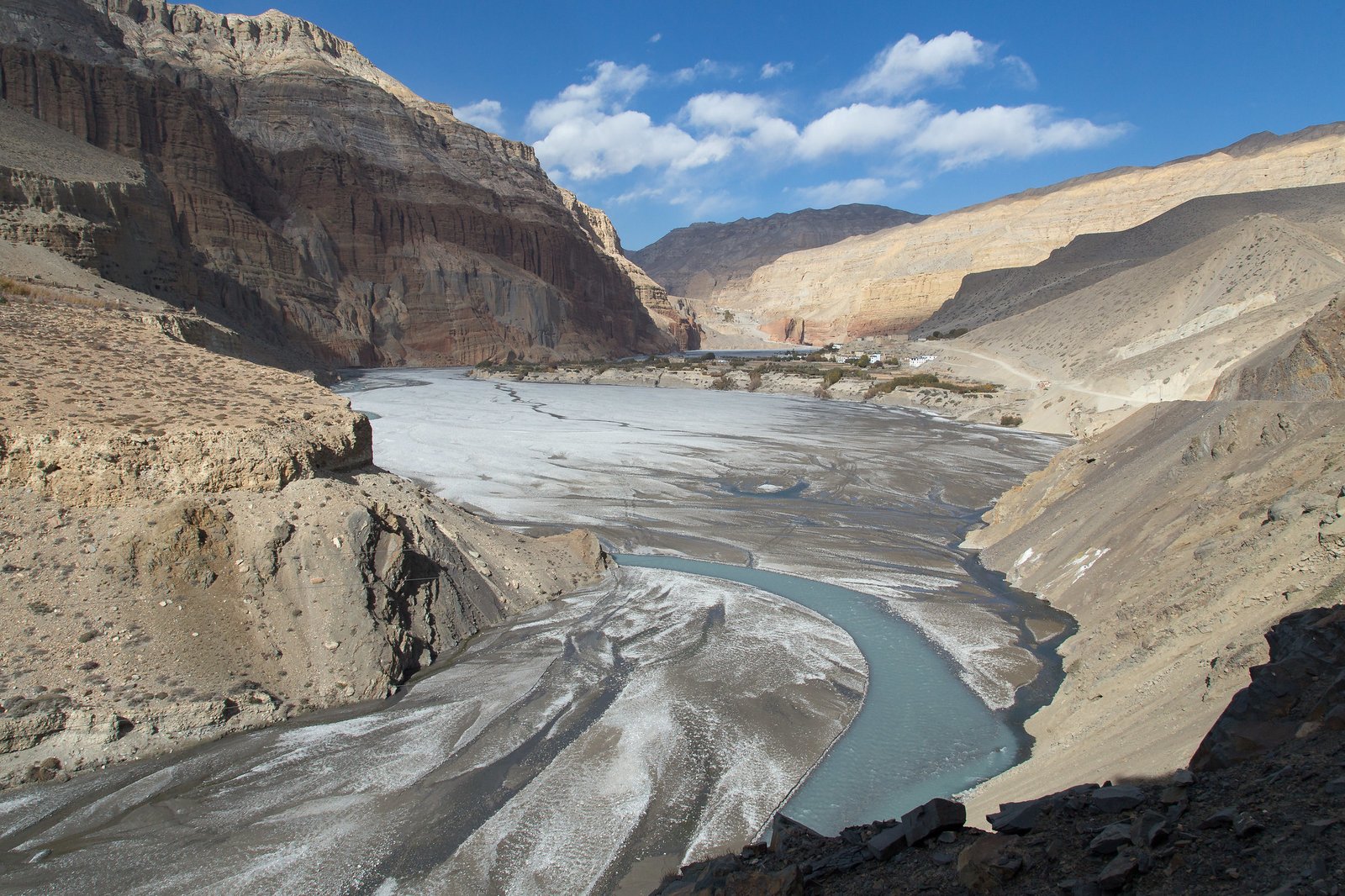
Trekking through Upper Mustang, you will encounter barren valleys, arid landscapes, deep gorges, and ancient cliffside villages, where red rock cliffs and golden desert plains contrast dramatically with snow-capped Himalayan peaks. The region’s landscape is unlike any other in Nepal, with wind-sculpted canyons, towering cliffs, and open desert plateaus, making it ideal for photography and nature enthusiasts.
Upper Mustang is renowned for its Tibetan Buddhist monasteries, ancient cave dwellings, and centuries-old cliffside settlements. Trekkers can also experience vibrant local festivals, prayer rituals, and traditional Tibetan customs, offering a rare glimpse into a culture that has remained largely unchanged for hundreds of years. With its remote villages, ancient walled city of Lo Manthang, and preserved Himalayan heritage, the Upper Mustang Trek provides a truly immersive adventure for those looking to explore Nepal’s hidden treasures away from crowded trekking routes.
Highlights of the Trek
- Explore the ancient walled city of Lo Manthang
- Visit traditional Tibetan Buddhist monasteries and shrines
- Walk through desert-like landscapes and deep gorges
- Witness unique Tibetan culture and festivals
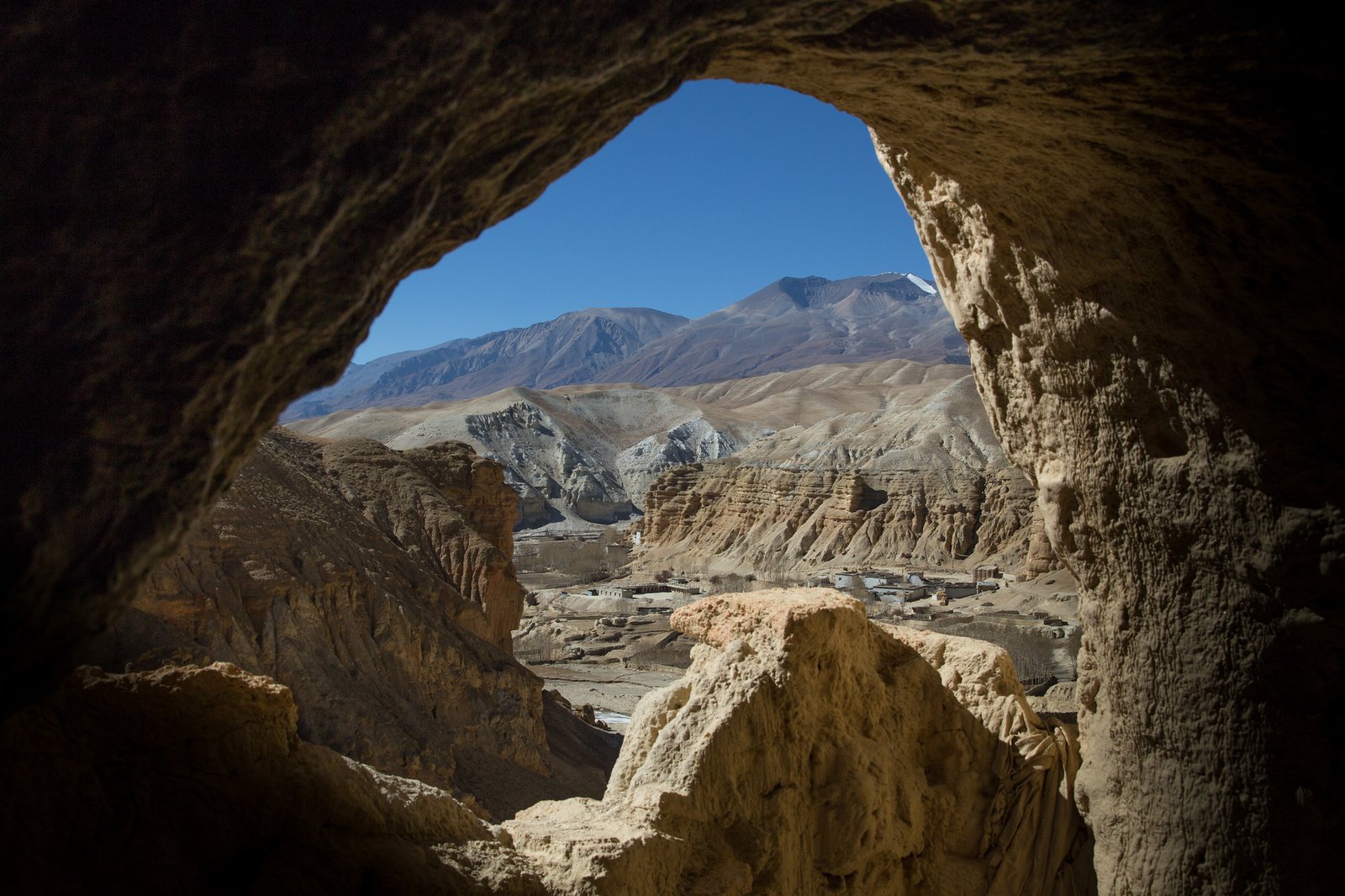
- See cliff caves, ancient fortresses, and traditional stone villages
- Enjoy panoramic views of Annapurna, Dhaulagiri, and Nilgiri peaks
- Experience a less-crowded, off-the-beaten-path trekking route
Upper Mustang Trek Difficulty
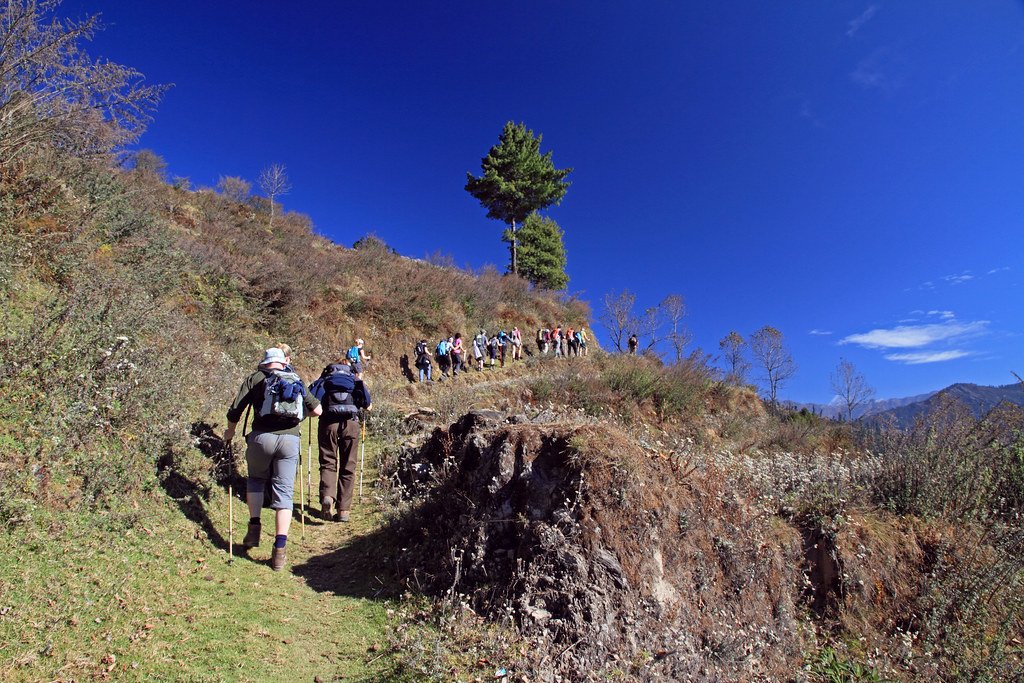
The Upper Mustang Trek is classified as a moderate trekking adventure, suitable for both experienced trekkers and determined beginners who are physically fit. Trekkers typically walk 5–7 hours per day on trails that are mostly dry, rocky, and desert-like, with occasional steep ascents and descents. Unlike other high Himalayan treks, there are no extremely high passes, making it less physically demanding than treks like the Manaslu Circuit or Everest Base Camp, but the trek still requires endurance and preparation.
The trek reaches a maximum altitude of around 4,200 meters (13,780 feet) at Lo Manthang, the ancient walled capital of Upper Mustang. While this is lower than many Himalayan passes, basic acclimatization is essential to prevent altitude sickness. The itinerary includes rest days and shorter trekking segments to allow your body to adjust gradually to higher elevations.
Good physical fitness, stamina, and trekking experience are helpful for managing long walking days, carrying personal gear, and handling desert-like trail conditions. However, the trek is accessible to first-time trekkers with adequate preparation, as the trails are well-defined and the terrain is generally less challenging than high mountain passes.
Overall, the Upper Mustang Trek difficulty provides a balanced adventure—challenging enough to feel rewarding but moderate enough for most fit travelers. This makes it an excellent option for those seeking an off-the-beaten-path trekking experience in Nepal while enjoying stunning Himalayan desert landscapes and unique Tibetan culture.
Accommodation & Food – Upper Mustang Trek
During the Upper Mustang Trek, trekkers stay in local tea houses and mountain lodges, providing simple yet comfortable accommodation throughout the journey. Most rooms are twin-sharing with basic bedding, warm blankets, and sometimes shared bathrooms. Staying in these tea houses gives trekkers an authentic Himalayan experience, as the lodges are run by local families who live in the remote villages of Upper Mustang. This allows travelers to experience the hospitality, traditions, and daily life of the Mustang people up close.
Food on the trek is freshly prepared by local hosts, offering a mix of traditional Tibetan and Nepali cuisine. Popular dishes include Dal Bhat (rice with lentils and vegetables), Tibetan bread, momos (dumplings), noodles, soups, pancakes, eggs, and fried rice. Hot beverages such as tea, coffee, and local herbal drinks are served throughout the day to help trekkers stay warm in the cool desert and mountain environment. Meals are not only delicious but also provide the necessary energy for long trekking days, making the tea house experience both comforting and nourishing.
The combination of simple accommodation and wholesome local food adds to the cultural immersion of the Upper Mustang Trek. Trekkers have the opportunity to interact with local families, learn about Tibetan Buddhist traditions, and enjoy the unique flavors of Himalayan cuisine, making every meal and overnight stay a memorable part of the adventure.
Permits Required – Upper Mustang Trek
The Upper Mustang Trek is in a restricted area, so special permits are mandatory. Trekkers must obtain these through a government-licensed trekking agency, and a licensed guide is required to accompany the group.
Required Permits:
-
Upper Mustang Restricted Area Permit (RAP) – Now charged at US $50 per person per day inside the restricted zone. Solo trekking is not allowed; minimum group size is 2 trekkers plus guide.
-
Annapurna Conservation Area Permit (ACAP) – Required for the lower approach areas, supporting trail maintenance and local communities.
These permits help protect the fragile ecosystem, preserve Tibetan Buddhist culture, and ensure safe trekking in Upper Mustang.
Best Time to Trek – Upper Mustang Trek
The Upper Mustang Trek can be undertaken year-round, but the best seasons are spring (March–May) and autumn (September–November), when the weather is ideal for trekking, sightseeing, and photography.
Spring (March–May): During spring, the skies are clear and blue, temperatures are pleasant, and the landscape comes alive with blooming wildflowers and desert flora. This season is perfect for trekkers who want to enjoy the stunning landscapes, golden deserts, and Himalayan views without the harsh cold of winter. Spring also offers excellent conditions for photography, capturing the vibrant contrast between barren valleys and snow-capped peaks.
Autumn (September–November): Autumn offers stable weather, crisp air, and panoramic visibility of the Himalayan mountains, making it the most popular season for trekking. The post-monsoon period ensures lush valley scenery, dust-free trails, and ideal conditions for cultural exploration. Trekkers can experience traditional Tibetan festivals, prayer rituals, and village life in perfect weather conditions.
Winter (December–February) is possible but very cold, especially at higher elevations like Lo Manthang, and some facilities may be limited. Monsoon season (June–August) is not recommended due to heavy rainfall, muddy trails, and potential landslides, which make trekking unsafe.
Culture and People – Upper Mustang Trek
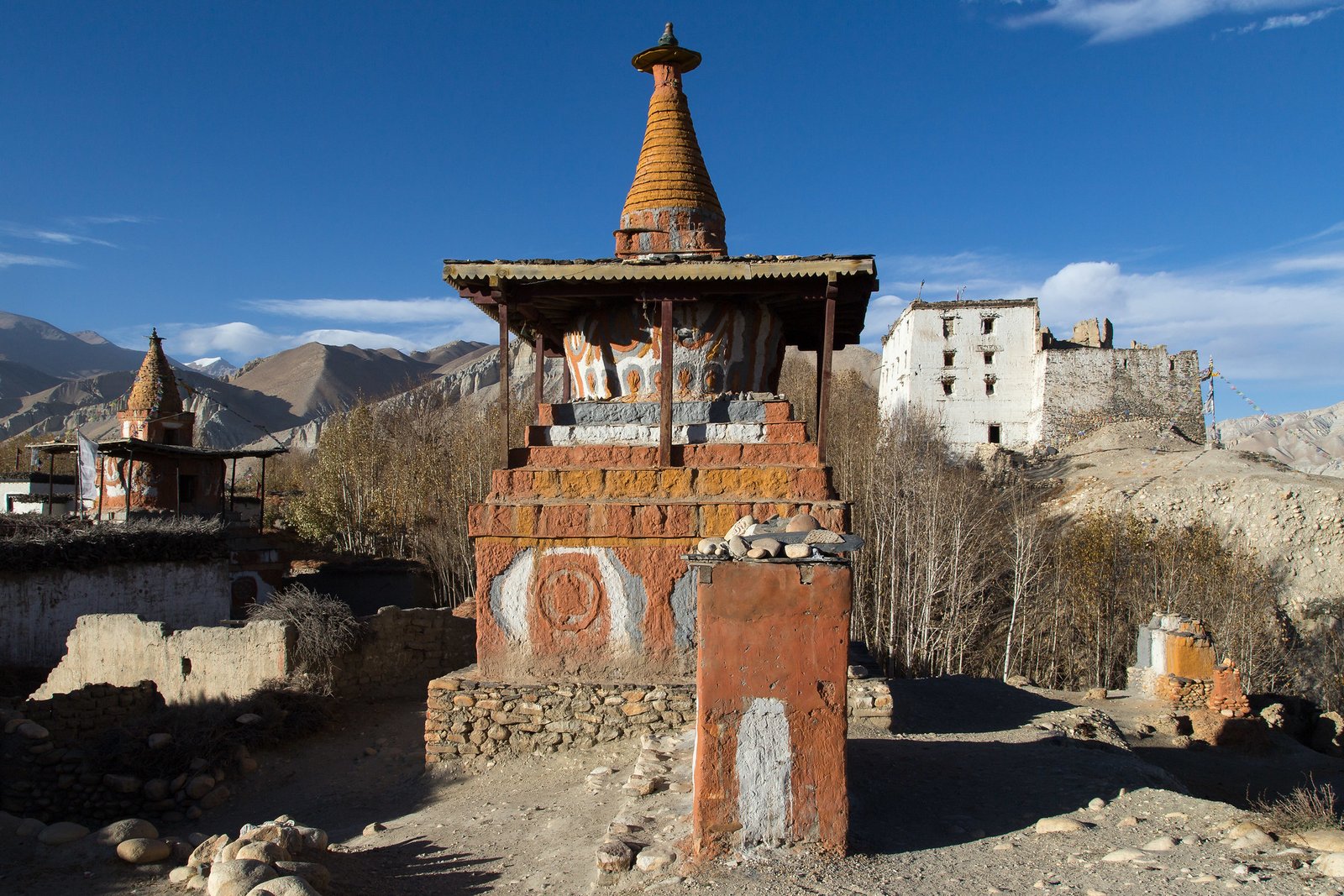
The Upper Mustang region is a unique cultural enclave strongly influenced by Tibetan Buddhism, where local communities have preserved their ancient traditions and way of life for centuries. Along the trek, travelers encounter colorful prayer flags, chortens (stupas), and centuries-old monasteries, reflecting the spiritual heritage of the region. Many villages feature traditional stone houses and mud-brick settlements, some built into cliffs or near caves once used by hermits and monks.
The local people follow Tibetan customs, festivals, and daily rituals, offering trekkers an authentic glimpse into their spiritual and cultural practices. One of the highlights of the trek is the warm hospitality of Mustang locals, who welcome visitors with friendly interaction, homemade meals, and stories of their heritage. Experiencing this vibrant culture while trekking through the stunning Himalayan desert landscapes makes the Upper Mustang Trek both an adventurous and culturally immersive journey.
Packing List for Upper Mustang Trek
Proper gear is essential for a safe and comfortable Upper Mustang Trek, as the region features desert-like terrain, strong winds, and high-altitude conditions. Here’s a recommended packing list for all trekkers:
-
Sturdy Trekking Boots: Durable, well-fitted, and waterproof boots with good ankle support are essential for rocky trails and uneven paths.
-
Warm Jacket and Layered Clothing: Temperatures can drop significantly, especially in the early morning and at higher altitudes. Use thermal base layers, fleece jackets, and a windproof/waterproof outer layer for warmth and protection.
-
Sleeping Bag: A 3-season sleeping bag rated for sub-zero temperatures is recommended for tea house stays, where heating may be limited.
-
Trekking Poles: Adjustable trekking poles help with stability on rocky trails and reduce stress on knees during descents.
-
Gloves, Hat, and Sunglasses: Protect your hands, head, and eyes from cold, wind, and intense UV rays. Polarized sunglasses are ideal for snowy or bright desert areas.
-
Sunscreen and Lip Balm: The dry, high-altitude environment can cause sunburn and chapped lips, so carry a high SPF sunscreen and moisturizing lip balm.
-
Personal Medications: Bring any prescription medications, as pharmacies in Upper Mustang are limited. Include altitude sickness tablets, painkillers, digestive aids, and basic first-aid supplies.
Optional items include a headlamp, camera, water bottles or hydration system, lightweight backpack, trekking gaiters, and reusable snacks. Packing thoughtfully ensures you stay safe, comfortable, and well-prepared throughout this remote Himalayan adventure.
Group Size and Transportation for Upper Mustang Trek
The Upper Mustang Trek requires a minimum group size of 2 people, as mandated by the Nepalese government for restricted area treks. Solo trekking is not permitted, and all groups must be accompanied by a licensed trekking guide to ensure safety, permit compliance, and cultural guidance throughout the journey. Private trips can also be arranged for families, couples, or small groups, offering a more personalized trekking experience with flexibility in itinerary, pace, and accommodation choices.
Transportation to the trekking region is designed for both convenience and scenic enjoyment. Most treks begin with a scenic drive from Kathmandu to Pokhara or Jomsom, followed by a short domestic flight to Kagbeni, the gateway to Upper Mustang. After completing the trek, travelers return by flight or jeep from Jomsom or Pokhara and continue by road back to Kathmandu. Private vehicles can be arranged for added comfort and flexibility, making the journey to and from this remote Himalayan desert region smooth and enjoyable.
Upper Mustang Trek (15 Days)
- Day 1: Arrival in Kathmandu
- Day 2: Preparation, Permits & Sightseeing
- Day 3: Fly Kathmandu to Pokhara
- Day 4: Fly Pokhara to Jomsom, Drive to Kagbeni
- Day 5: Trek from Kagbeni to Chele
- Day 6: Trek from Chele to Syanboche
- Day 7: Trek from Syanboche to Dhakmar
- Day 8: Trek to Lo Manthang via Ghar Gompa
- Day 9: Exploration Day (Choser Cave & Monasteries)
- Day 10: Trek from Lo Manthang to Yara
- Day 11: Explore Ghar Gompa, Trek back to Yara
- Day 12: Trek from Yara to Tange
- Day 13: Trek from Tange to Chhusang
- Day 14: Trek to Muktinath, Drive to Pokhara
- Day 15: Drive back to Kathmandu
Itineraries
Day 1
Arrival in Kathmandu
Arrive at Tribhuvan International Airport (Kathmandu, Nepal), where our representative will welcome you and transfer you to your hotel. Spend the day resting or exploring Thamel, the bustling tourist hub of Kathmandu. This day allows travelers to recover from the flight, prepare for trekking, and get an overview of Nepalese culture and heritage. Overnight stay in Kathmandu.
Day 2
Preparation, Permits & Sightseeing
After breakfast, your licensed trekking guide will assist with Upper Mustang Restricted Area Permits (RAP) and Annapurna Conservation Area Permits (ACAP). In the afternoon, enjoy sightseeing in Kathmandu Valley, visiting Boudhanath Stupa, Pashupatinath Temple, or Patan Durbar Square. This day helps you acclimatize and learn about Tibetan Buddhist culture, essential before entering Upper Mustang. Overnight in Kathmandu.
Day 3
Fly Kathmandu to Pokhara
Take an early morning flight to Pokhara, the gateway to western Nepal and the Annapurna region. Enjoy stunning views of the Himalayas from the air, including Annapurna and Dhaulagiri ranges. In Pokhara, explore Phewa Lake, Davis Falls, and local markets. Overnight in Pokhara.
Day 4
Fly Pokhara to Jomsom, Drive to Kagbeni
Fly from Pokhara to Jomsom, the starting point of the Upper Mustang Trek. From Jomsom, take a short drive along the Kali Gandaki River valley to Kagbeni, the gateway village of Upper Mustang. Kagbeni, with its stone houses and monasteries, marks the entry into the forbidden kingdom of Lo. Trek preparation and overnight stay in Kagbeni.
Day 5
Trek from Kagbeni to Chele
Start trekking from Kagbeni to Chele, crossing dry, desert-like valleys and barren cliffs. The trail passes traditional villages, ancient chortens (stupas), and prayer flags fluttering in the wind. Chele offers spectacular views of Lo Manthang’s distant mountains, and you can interact with local Tibetan Buddhist families. Overnight in Chele.
Day 6
Trek from Chele to Syanboche
Trek through scenic gorges and desert landscapes to reach Syanboche, a small village perched on cliffs. Along the trail, witness ancient cave dwellings and mani walls, and enjoy panoramic views of the Himalayan desert and peaks. Overnight stay in Syanboche.
Day 7
Trek from Syanboche to Dhakmar
Today’s trek takes you to Dhakmar, a village famous for ancient monasteries, stone fortresses, and cliff caves. The trail continues through wind-swept valleys and desert plateaus, offering excellent opportunities for photography. Experience local Mustang culture through village interactions. Overnight in Dhakmar.
Day 8
Trek to Lo Manthang via Ghar Gompa
Trek to Lo Manthang, the walled capital of Upper Mustang, passing Ghar Gompa, a significant Buddhist monastery with caves and murals. Arrive in Lo Manthang, an ancient city preserved for centuries, where stone walls and traditional architecture give a glimpse of medieval Tibetan culture. Overnight in Lo Manthang.
Day 9
Exploration Day – Choser Cave & Monasteries
Spend a full day exploring Lo Manthang’s surroundings, including Choser Cave, ancient monasteries, and nearby villages. Learn about Tibetan Buddhism, local festivals, and Mustang’s heritage. This day allows for cultural immersion and photography. Overnight in Lo Manthang.
Day 10
Trek from Lo Manthang to Yara
Begin trekking from Lo Manthang to Yara, passing smaller villages and desert valleys. The trail offers spectacular views of cliff villages, prayer flags, and barren landscapes. Interact with locals and enjoy the tranquil and remote environment of Upper Mustang. Overnight in Yara.
Day 11
Explore Ghar Gompa, Trek Back to Yara
Today, revisit Ghar Gompa for deeper cultural exploration. The trail returns to Yara village, allowing trekkers to witness daily village life, Tibetan Buddhist rituals, and traditional architecture. Overnight in Yara.
Day 12
Trek from Yara to Tange
Trek through the arid valleys and red rock cliffs to Tange, passing isolated villages and scenic desert landscapes. Experience the unique Himalayan culture and panoramic views of surrounding peaks. Overnight stay in Tange.
Day 13
Trek from Tange to Chhusang
Descend into the Kali Gandaki gorge and reach Chhusang village, famous for ancient fortresses and cliffside caves. The trail offers spectacular Himalayan desert scenery, with opportunities for photography and cultural interaction. Overnight in Chhusang.
Day 14
Trek to Muktinath, Drive to Pokhara
Trek from Chhusang to Muktinath, a sacred Hindu-Buddhist pilgrimage site at 3,800 meters. After visiting the temple and its holy water springs, take a jeep or flight back to Pokhara. Enjoy relaxation, sightseeing, and dinner in the lakeside city. Overnight in Pokhara.
Day 15
Drive Back to Kathmandu
Drive or fly from Pokhara to Kathmandu, completing the Upper Mustang Trek. Spend your final day resting, shopping, or exploring Thamel, before departure. This day marks the end of a 15-day adventure into Nepal’s hidden desert kingdom.
- Airport pickup and drop-off in Kathmandu
- Hotel in Kathmandu before and after trek
- All required trekking permits
- Licensed trekking guide
- Porter service (1 porter for 2 trekkers)
- All meals during the trek (Breakfast, Lunch, Dinner)
- Tea house accommodation along the trail
- Ground transportation and domestic flights
- Government taxes and service charges
- International flights to Nepal
- Nepal visa fee
- Travel insurance (mandatory)
- Personal expenses (drinks, snacks, hot shower, phone charging)
- Tips for guide and porter
- Extra nights in Kathmandu
The best seasons for Upper Mustang Trek are spring (March–May) and autumn (September–November). These months offer clear skies, stable weather, comfortable temperatures, and stunning Himalayan views, perfect for trekking, sightseeing, and photography. Avoid the monsoon season (June–August) due to rain and muddy trails.
The trek is considered moderate, with 5–7 hours of walking daily on mostly dry and rocky trails. The maximum altitude reaches around 4,200 meters at Lo Manthang, so basic acclimatization is required. Trekkers should have good fitness and stamina, but the route is suitable for determined beginners as well.
Since Upper Mustang is a restricted area, trekkers need:
Upper Mustang Restricted Area Permit (RAP) – US $50 per person per day
Annapurna Conservation Area Permit (ACAP)
A licensed trekking guide is mandatory, and solo trekking is not allowed. All permits are arranged through a registered trekking agency in Nepal.
rekkers stay in local tea houses and lodges with simple twin-sharing rooms and basic facilities. Meals are freshly prepared by locals and include Dal Bhat, Tibetan bread, momos, noodles, soups, pancakes, eggs, and hot beverages. The experience provides authentic Himalayan culture and cuisine while keeping trekkers nourished for long trekking days.
The trek usually starts with a flight from Kathmandu to Pokhara, followed by a domestic flight to Jomsom, and a short drive to Kagbeni, the gateway to Upper Mustang. At the end of the trek, travelers return by jeep or flight to Pokhara, then drive or fly back to Kathmandu. Private transportation can also be arranged for comfort and convenience.
Upper Mustang is rich in Tibetan Buddhist culture, with ancient monasteries, chortens (stupas), prayer flags, cliff caves, and stone villages. Trekkers can witness traditional festivals, rituals, and daily village life while enjoying warm hospitality from local families. The cultural immersion is one of the highlights of this remote Himalayan adventure.
Related Trips
There are no reviews yet.