- Overview
- Trip Outline
- Trip Includes
- Trip Excludes
- Gallery
- Reviews
- FAQ
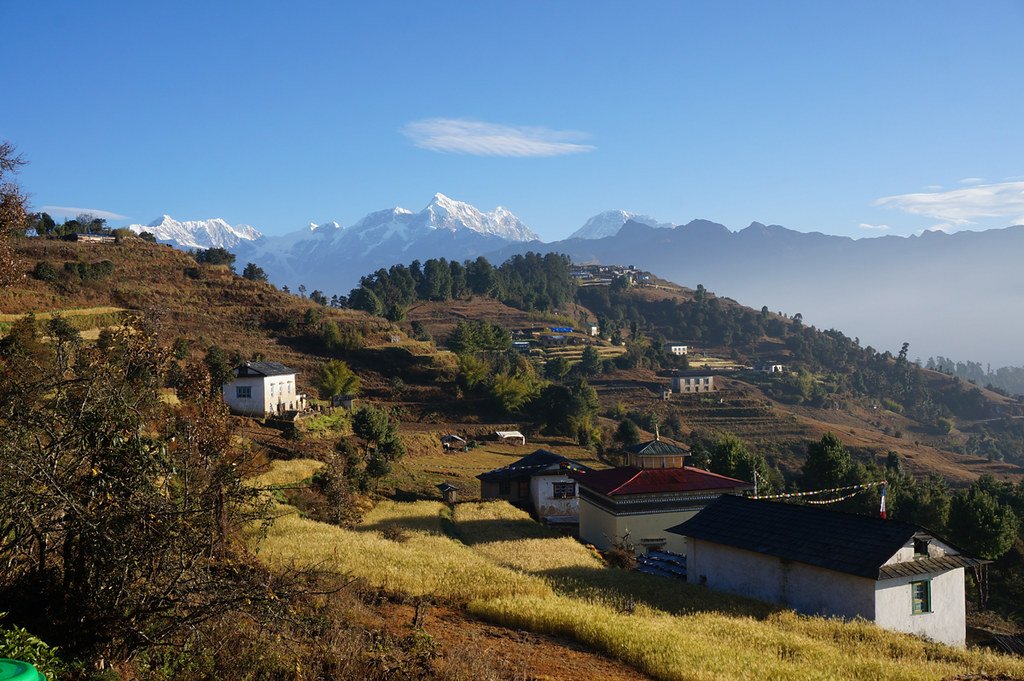
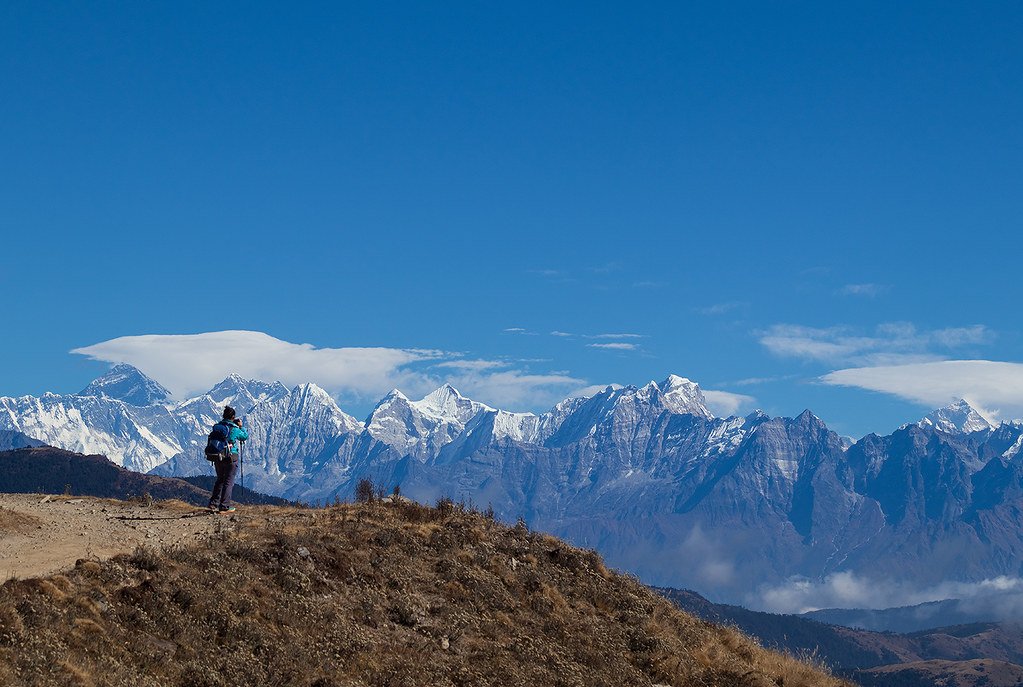
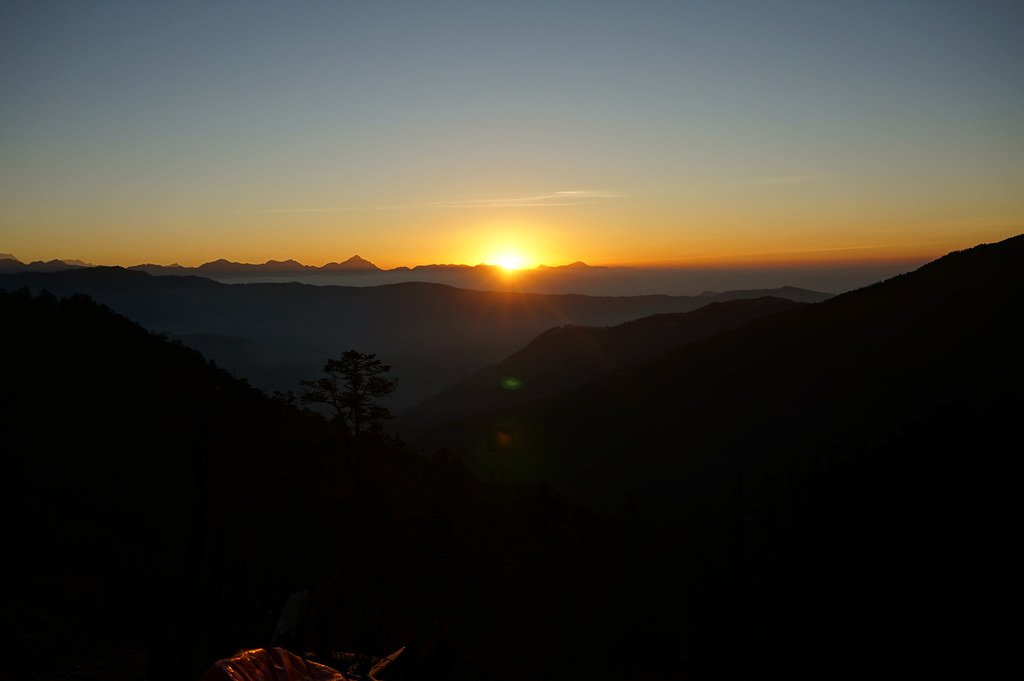
Looking for a short Everest view trek away from the crowds of the busy Khumbu trails? The Pikey Peak Trek is one of Nepal’s best-kept secrets, located in the lower Solu region, offering some of the most breathtaking Himalayan panoramas in the country. From the summit of Pikey Peak (4,065m), you can witness a spectacular sunrise over Mount Everest, along with sweeping views of Kanchenjunga, Makalu, Lhotse, and the distant Annapurna range. Unlike the classic Everest Base Camp route, this trail remains peaceful and uncrowded, allowing trekkers to fully immerse themselves in nature and mountain serenity without flight delays or heavy foot traffic.
This 7-day Pikey Peak Trek in Nepal is ideal for travelers who want a shorter Himalayan adventure that combines stunning mountain scenery with authentic Sherpa culture. The trail passes through charming villages, ancient monasteries, rhododendron forests, and open alpine ridges. Trekkers experience warm local hospitality while enjoying comfortable teahouse accommodations. With a moderate difficulty level and a maximum altitude of 4,065 meters, the trek is achievable for beginners with good fitness, families, and anyone looking for an accessible Everest view trek. The gradual ascent also makes it a safer alternative for those concerned about altitude sickness.
If you're researching practical details like Pikey Peak Trek cost, the best time to trek Pikey Peak, or a detailed Pikey Peak Trek itinerary for 7 days, this trek offers excellent value and flexibility. It is considered one of the best options for an Everest view short trek in Nepal, especially for travelers with limited time.
Why Choose the Pikey Peak Trek?
The Pikey Peak Trek is often described as one of the best short treks in Nepal with Everest views. Even Sir Edmund Hillary reportedly called the view from Pikey Peak his favorite in Nepal.
Unlike the popular Everest Base Camp route, this trek remains peaceful and authentic. You walk through traditional Sherpa settlements, Buddhist monasteries, rhododendron forests, and alpine ridges with uninterrupted Himalayan panoramas.
Top Reasons to Book Pikey Peak Trek
- Stunning sunrise over Everest and the Himalayan range
- Fewer crowds than the Everest Base Camp trek
- Ideal short trek from Kathmandu
- Lower altitude risk compared to EBC
- Authentic Sherpa culture and monasteries
- Budget-friendly Everest region alternative
Pikey Peak Trek Difficulty
The Pikey Peak Trek difficulty level is considered moderate, making it one of the best short treks in Nepal for those seeking Everest views without extreme physical demands. While the trek does involve steady uphill climbs and a few longer walking days, it does not require any technical climbing skills or prior mountaineering experience.
Trekkers typically walk 5–7 hours per day, covering gradual ascents through forest trails, open ridgelines, and traditional Sherpa villages. The paths are well-defined and less crowded compared to the classic Everest Base Camp route. The most physically demanding section is the early morning hike to the summit of Pikey Peak (4,065m), where you gain elevation before sunrise to witness panoramic Himalayan views.
Because the maximum altitude is 4,065 meters, the risk of severe altitude sickness is significantly lower than on higher treks in the Everest region. Unlike Everest Base Camp (5,364m), Pikey Peak allows trekkers to enjoy breathtaking views of Mount Everest and surrounding peaks without extreme altitude exposure. However, proper acclimatization, hydration, and a steady pace are still important for comfort and safety.
Terrain & Physical Demands
- Gradual ascents and descents on natural trails
- Forest paths, stone steps, and alpine ridges
- Moderate elevation gain over several days
- Cold mornings at higher elevations, especially in autumn and winter
While the trek is manageable, participants should prepare with light cardio exercise such as hiking, jogging, or stair climbing a few weeks before arrival. A positive mindset and steady pace are key to enjoying the journey.
Is Pikey Peak Trek Suitable for Beginners?
Yes, the Pikey Peak Trek is highly suitable for beginners with reasonable fitness levels. It is often recommended as an introduction to trekking in Nepal because it offers spectacular Himalayan scenery without extreme altitude or overly demanding itineraries.
This trek is ideal for:
- First-time trekkers in Nepal who want Everest views without committing to a longer expedition
- Families with active adults looking for a moderate adventure
- Travelers with limited time seeking a short Everest view trek
- Photographers and nature lovers who want wide mountain panoramas and peaceful trails
- Trekkers concerned about altitude sickness but still wanting to experience the Everest region
Because the trail is less crowded and culturally rich, beginners often feel more relaxed and connected to local life in the lower Solu region. The manageable duration (typically 7 days), comfortable teahouse accommodations, and moderate daily walking distances make it a balanced adventure challenging enough to feel rewarding, yet achievable for most healthy individuals.
Best Time to Trek Pikey Peak
The best time to trek Pikey Peak is during the spring (March to May) and autumn (September to November) seasons, when weather conditions are most favorable for clear mountain views and comfortable trekking temperatures. These two seasons are considered the prime trekking periods in Nepal, offering stable weather, excellent visibility, and ideal trail conditions.
Spring Season (March–May)
Spring is one of the most beautiful times to experience the Pikey Peak Trek. During this season, the skies are generally clear in the mornings, providing stunning sunrise views over Mount Everest and the surrounding Himalayan peaks. The forests along the trail come alive with blooming rhododendrons, Nepal’s national flower, painting the hillsides in vibrant shades of red, pink, and white. Daytime temperatures are mild and comfortable for walking, typically ranging between 10°C to 20°C at lower elevations, while nights are cool but manageable. Spring is perfect for photographers and nature lovers who want colorful landscapes combined with snow-capped mountain backdrops.
Autumn Season (September–November)
Autumn is widely regarded as the best overall season for trekking in Nepal. After the monsoon rains clear the dust and pollution from the atmosphere, the mountain visibility becomes exceptionally sharp and dramatic. From the summit of Pikey Peak (4,065m), trekkers can enjoy crystal-clear panoramas of Everest and neighboring peaks under deep blue skies. Weather conditions are stable, rainfall is minimal, and temperatures are moderate warm during the day and cooler at night. The trails are dry and comfortable, making autumn ideal for both beginners and experienced trekkers seeking reliable conditions.
Winter & Monsoon Considerations
Winter (December–February) is still possible for trekking Pikey Peak, especially for those who prefer solitude and fewer trekkers on the trail. However, temperatures can drop below freezing at higher elevations, particularly during early morning summit hikes. Snowfall is possible, which may add beauty to the landscape but can also make trails slippery.
The monsoon season (June–August) brings frequent rain, cloudy skies, and reduced mountain visibility. Trails can become muddy and leech-prone in forested areas. While the countryside turns lush and green, consistent mountain views are less guaranteed, making this season less ideal for those prioritizing clear Himalayan panoramas.
Pikey Peak Trek Cost – What to Expect?
The Pikey Peak Trek cost varies depending on group size, service level, season, and whether you choose a private or group departure. As a short 7-day Everest view trek in Nepal, Pikey Peak is considered more affordable than many higher-altitude treks in the Everest region because it does not require domestic flights to Lukla and involves fewer logistical expenses.
On average, the cost of the Pikey Peak Trek typically ranges between USD 650 to USD 1,100 per person, depending on inclusions, accommodation standards in Kathmandu (if added), and guide-to-client ratio. Larger groups generally benefit from lower per-person pricing, while private treks offer more flexibility and personalized service.
What Is Included in the Pikey Peak Trek Package?
When you book with Travel Maker South Asia, your package is designed to be comprehensive and hassle-free. Our standard cost includes:
- Licensed and experienced trekking guide familiar with the Solu region
- Teahouse accommodation during the trek (twin-sharing basis)
- All meals during the trek (breakfast, lunch, and dinner)
- Ground transportation (Kathmandu – Dhap – Phaplu – Kathmandu by shared jeep)
- Required trekking permits (TIMS card and local permits)
- First aid kit and basic safety equipment carried by the guide
- Government taxes and service charges
What May Not Be Included?
To maintain transparency, the following are usually not included unless requested:
- International airfare
- Nepal visa fees
- Travel insurance (mandatory for high-altitude trekking)
- Personal expenses (hot showers, charging devices, Wi-Fi, beverages)
- Tips for guide and driver
We always provide a clear cost breakdown before booking so you understand exactly what you are paying for—no hidden fees or surprise charges.
Why Pikey Peak Trek Offers Great Value
Compared to treks like Everest Base Camp, the Pikey Peak Trek offers exceptional value for money. You enjoy panoramic views of Mount Everest and surrounding Himalayan giants, authentic Sherpa culture, and peaceful trails—all within a shorter timeframe and at a more affordable price.
Whether you’re traveling solo, as a couple, or in a small group, we offer competitive and flexible pricing tailored to your preferences.
Contact Travel Maker South Asia today for the best Pikey Peak Trek package price and secure your adventure in the Himalayas.
Altitude & Safety Information
The maximum altitude reached during the Pikey Peak Trek is 4,065 meters (13,336 feet) at the summit of Pikey Peak. While this is significantly lower than high-altitude destinations like Everest Base Camp, altitude gain should still be approached with care and proper pacing. At elevations above 3,000 meters, the oxygen level decreases, and some trekkers may experience mild symptoms of altitude discomfort such as headache, fatigue, or shortness of breath.
The advantage of the Pikey Peak Trek is its gradual ascent profile, which allows your body time to adjust naturally. Our itinerary is designed to avoid rapid altitude gain, and the trekking pace remains steady and manageable. Staying hydrated, walking slowly, eating properly, and communicating openly with your guide are essential for safe acclimatization.
Our Safety Standards
At Travel Maker South Asia, your well-being is our highest priority. We follow strict safety protocols to ensure a secure and comfortable trekking experience.
- Experienced Licensed Guides: Our professional trekking guides are government-certified and trained in high-altitude safety and first aid. They have extensive knowledge of the Solu region and local terrain.
- Daily Health Monitoring: Your guide checks your physical condition daily, monitoring for early signs of altitude sickness and ensuring proper rest and hydration.
- Flexible Itinerary: If needed, we adjust the pace or schedule to prioritize acclimatization and comfort. Your safety always comes before summit goals.
- Emergency Evacuation Support: In case of serious health concerns, we coordinate immediate evacuation support (helicopter rescue covered by your travel insurance).
- 24/7 Communication Backup: Our office team remains on standby throughout the trek, maintaining communication support in case of emergencies.
Because the Pikey Peak Trek remains below extreme high-altitude zones, it is considered one of the safer Everest view treks in Nepal. With proper preparation, experienced guidance, and responsible trekking practices, you can confidently enjoy stunning views of Mount Everest and surrounding Himalayan peaks.
Accommodation & Food
During the Pikey Peak Trek, accommodation is arranged in comfortable local teahouses that offer an authentic and welcoming mountain experience. These family-run lodges provide simple yet cozy twin-sharing rooms with basic furnishings such as beds, mattresses, pillows, and blankets. While facilities are modest compared to city hotels, the warmth of Sherpa hospitality and the peaceful mountain atmosphere make the stay truly memorable. Most teahouses have shared bathrooms, and in some villages, hot showers and charging facilities are available for a small additional fee. Evenings are often spent in a communal dining area heated by a traditional stove, where trekkers gather to share stories and enjoy the quiet Himalayan surroundings.
Food on the Pikey Peak Trek is fresh, hearty, and prepared locally. One of the highlights is enjoying traditional Nepali Dal Bhat—a nutritious meal of steamed rice, lentil soup, seasonal vegetables, pickles, and sometimes curry. Dal Bhat is not only delicious but also energy-rich, making it perfect for long trekking days. You will also find a variety of options such as noodles, fried rice, soups, potatoes, Tibetan bread, momos (dumplings), porridge, eggs, and simple pasta dishes. Meals are cooked to order using locally sourced ingredients whenever possible, supporting village communities along the trail.
Tea houses serve hot drinks like black tea, milk tea, ginger lemon honey tea, and coffee, which are especially comforting during cool mornings and evenings. We prioritize hygienic food preparation and ensure safe drinking water options, including boiled or purified water to help prevent dehydration and altitude-related issues.
Staying in local teahouses not only reduces the environmental impact compared to luxury setups but also allows you to directly experience the culture, traditions, and daily life of the Solu region.
Why Book Pikey Peak Trek with Travel Maker South Asia?
Choosing the right trekking company in Nepal makes all the difference.
Here’s Why Travelers Choose Us:
- Local experts with years of Himalayan experience
- Responsible and sustainable trekking practices
- Personalized service and flexible itineraries
- Competitive pricing without hidden costs
- Excellent customer reviews
- 24/7 support from arrival to departure
We also operate other popular treks like the Everest Base Camp Trek, which you can explore if you’re looking for a longer adventure.
Book Your Pikey Peak Trek Today
Ready to experience one of the best short treks in Nepal?
The Pikey Peak Trek offers breathtaking Everest sunrise views, peaceful trails, authentic Sherpa culture, and excellent value—all within one week.
Contact Travel Maker South Asia now to book your Pikey Peak Trek in Nepal.
Secure your preferred dates and let our expert local team handle everything from permits to accommodation.
Pikey Peak Trek (7 Days)
- Day 1: Arrival in Kathmandu
- Day 2: Preparation & Sightseeing
- Day 3: Drive Kathmandu to Dhap
- Day 4: Trek from Dhap to Jhapre
- Day 5: Trek from Jhapre to Pikey Base Camp
- Day 6: Hike Pikey Peak, Trek to Lamjura Pass, Continue to Kinja
- Day 7: Drive back to Kathmandu
Itineraries
Day 1
Arrival in Kathmandu (1,400m)
Upon arrival at Tribhuvan International Airport in Kathmandu, our team will warmly welcome you and transfer you to your hotel. After check-in, you can relax or explore the lively streets of Thamel, known for trekking shops, cafés, and cultural charm. In the evening, we will conduct a short trek briefing where you’ll meet your guide, review the itinerary, and discuss essential preparation for the Pikey Peak Trek. Overnight stay in Kathmandu.
Day 2
Preparation & Sightseeing in Kathmandu
Today is dedicated to final trek preparation and exploring Kathmandu’s cultural highlights. After breakfast, you may visit UNESCO World Heritage Sites such as Swayambhunath (Monkey Temple), Boudhanath Stupa, or Pashupatinath Temple to experience Nepal’s spiritual heritage. Meanwhile, we finalize permits and ensure all trekking arrangements are in place. This day also allows time to purchase or rent any last-minute trekking gear. Overnight at your hotel in Kathmandu.
Day 3
Drive from Kathmandu to Dhap (2,850m)
After an early breakfast, we begin a scenic drive from Kathmandu to Dhap, the starting point of the trek. The journey takes approximately 7–9 hours by jeep, passing through rolling hills, terraced farmland, rivers, and small villages. As you leave the bustling capital behind, the landscape gradually becomes more rural and mountainous. On clear days, you may even catch distant Himalayan views along the route. Upon arrival in Dhap, you’ll settle into a local teahouse and enjoy your first evening in the peaceful Solu region.
Day 4
Trek from Dhap to Jhapre (2,820m)
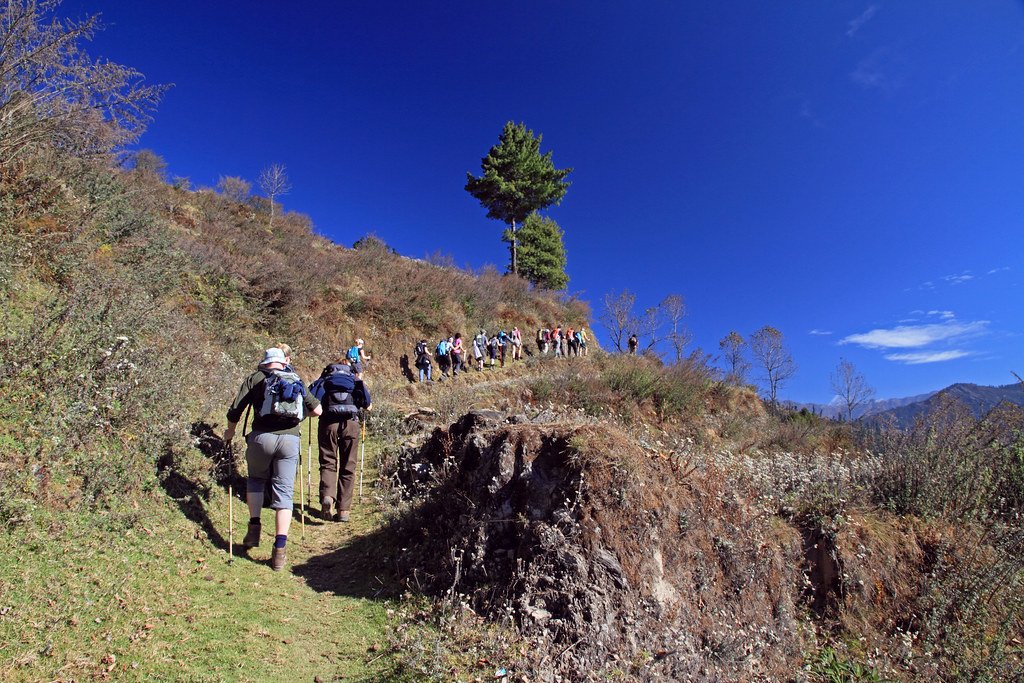
Your trekking adventure officially begins today. The trail gently ascends through grassy ridges and pine forests, offering early views of Numbur Himal and, if weather permits, distant glimpses of Mount Everest. The walk takes about 5–6 hours at a comfortable pace. You pass through small settlements and farmland before reaching the charming Sherpa village of Jhapre. This village features a small monastery and beautiful mountain viewpoints. Overnight stay in a cozy teahouse.
Day 5
Trek from Jhapre to Pikey Base Camp (3,640m)
Today’s trek is more gradual but rewarding as you gain elevation toward Pikey Base Camp. The trail winds through dense rhododendron forests, yak pastures, and open ridgelines. During spring, the forest blooms with colorful flowers, creating a vibrant trekking experience. As you climb higher, panoramic views expand across the Himalayan range. After 6–7 hours of trekking, you reach Pikey Base Camp, surrounded by alpine landscapes and dramatic mountain scenery. Rest well tonight in preparation for an early summit hike.
Day 6
Hike to Pikey Peak (4,065m), Trek to Lamjura Pass, Continue to Kinja (1,630m)
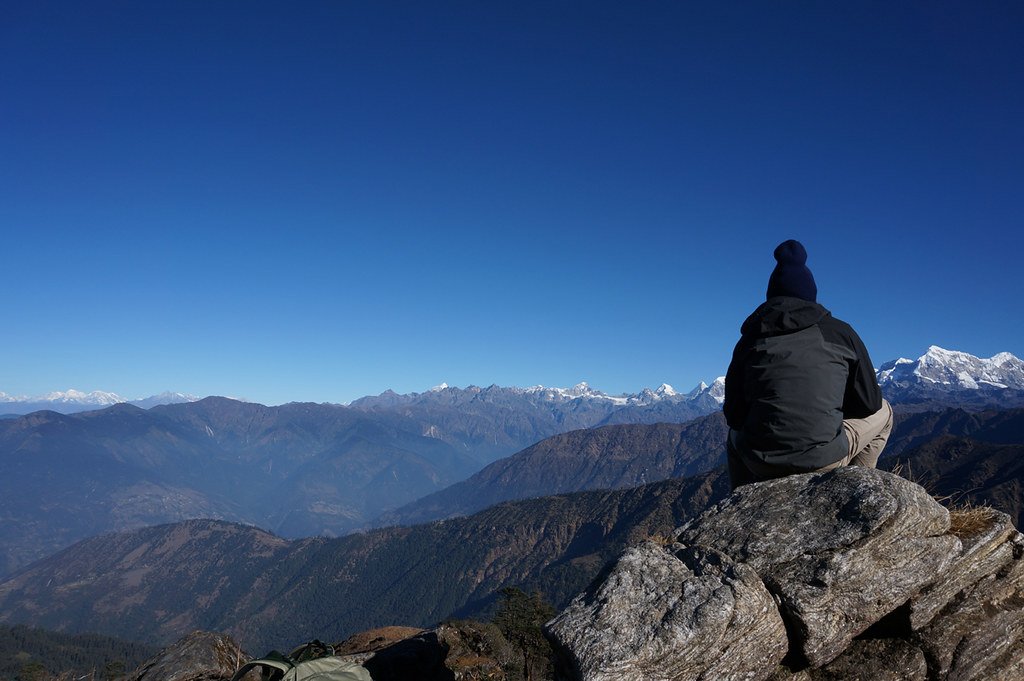
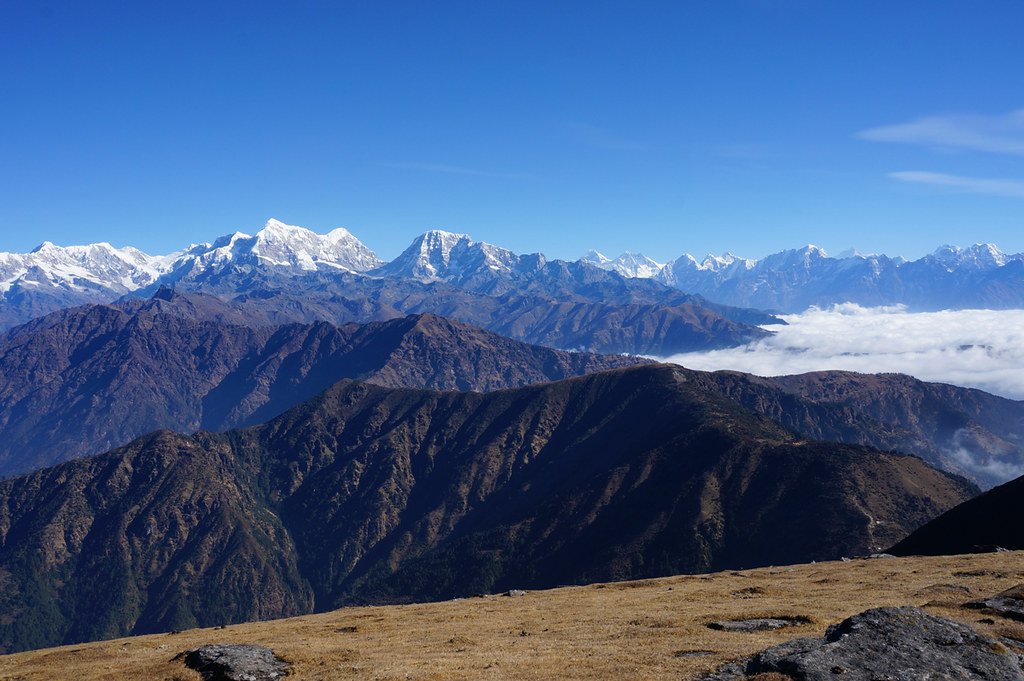
Before dawn, you begin the highlight of the trek—a sunrise hike to Pikey Peak (4,065m). The early morning ascent takes about 1–2 hours. From the summit, you’ll witness a breathtaking 360-degree panorama that includes Mount Everest, Makalu, Lhotse, and even distant Himalayan ranges stretching across eastern Nepal. The sunrise over Everest is truly unforgettable.
After enjoying the views and taking photos, you descend toward Lamjura Pass, walking through forested trails and scenic ridges. The trail then continues downhill toward Kinja, passing small villages and terraced fields. This is a longer trekking day (6–8 hours), but mostly downhill and gradual. Overnight in Kinja.
Day 7
Drive Back to Kathmandu
After breakfast, you take a scenic drive back to Kathmandu. The journey retraces mountain roads through rural landscapes and hillside villages. Upon arrival in Kathmandu, you’ll be transferred to your hotel. The remainder of the day is free for shopping, relaxation, or celebrating the successful completion of your Pikey Peak Trek. In the evening, we may organize a farewell dinner to mark the end of your Himalayan adventure.
- Airport pickup and drop-off in Kathmandu
- 2 nights hotel accommodation in Kathmandu (twin-sharing, breakfast included)
- Ground transportation (Kathmandu – Dhap – Kinja/Phaplu – Kathmandu by jeep)
- All required trekking permits (TIMS card and local permits)
- Licensed, experienced, English-speaking trekking guide
- Porter service (1 porter for 2 trekkers, if applicable)
- Teahouse/lodge accommodation during the trek (twin-sharing basis)
- Three meals per day during the trek (breakfast, lunch, and dinner)
- Government taxes and service charges
- First aid kit carried by the guide
- Trekking company support and 24/7 emergency assistance
- International airfare to and from Nepal
- Nepal entry visa fees
- Travel insurance (mandatory, including emergency evacuation coverage)
- Lunch and dinner in Kathmandu
- Personal trekking equipment (sleeping bag, down jacket, etc. – available for rent)
- Personal expenses (hot showers, Wi-Fi, charging devices, snacks, bottled drinks)
- Alcoholic beverages and soft drinks
- Tips for guide and porter (customary but not mandatory)
- Any additional costs due to unforeseen circumstances (weather delays, road conditions, personal emergencies)
The standard itinerary is 7 days, but it can be customized from 6–8 days.
Yes, hiring a licensed guide is highly recommended for safety, navigation, and cultural experience.
The maximum altitude is 4,065m. While risk is lower than EBC, gradual ascent and hydration are important.
Yes. On clear days, you can see Mount Everest and several major Himalayan peaks.
No. It is one of the least crowded Everest view treks in Nepal.
Related Trips
There are no reviews yet.