
- Overview
- Trip Outline
- Trip Includes
- Trip Excludes
- Gallery
- Reviews
- FAQ
The Nar Phu Valley Trek via Kang La Pass is one of Nepal’s most remote, least-explored, and culturally preserved trekking adventures, located in the hidden corners of the Annapurna region near Manang. This 12-day Himalayan journey takes you far away from modern development and crowded trekking trails into a secluded world of ancient Tibetan-influenced villages, dramatic canyon landscapes, high alpine deserts, and untouched mountain wilderness.
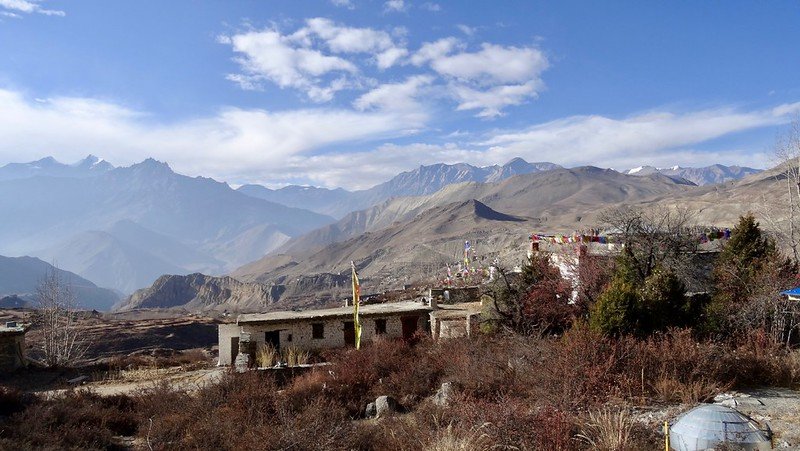
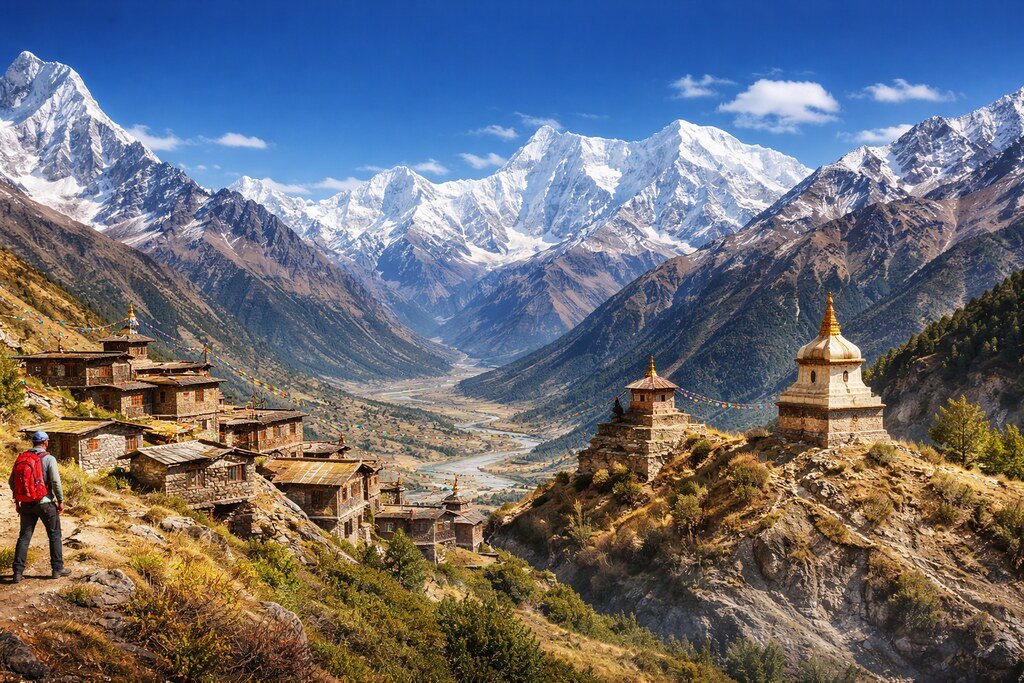
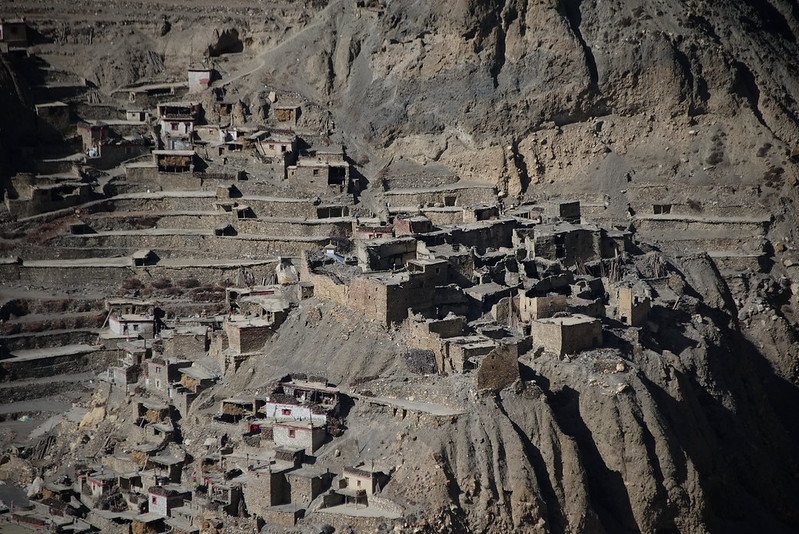
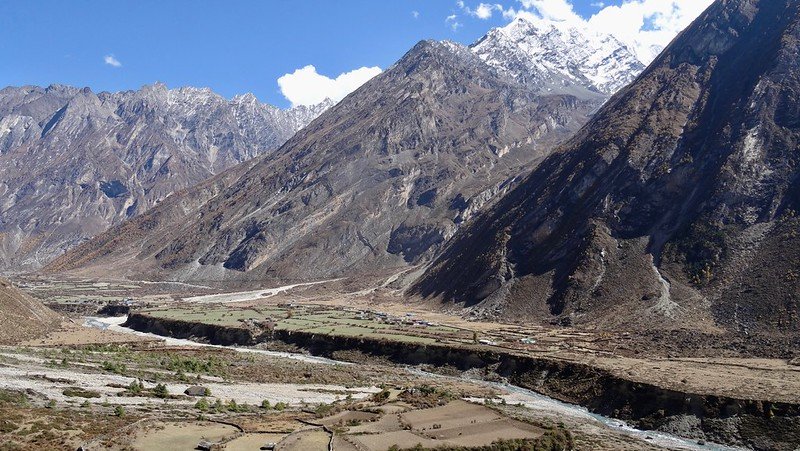
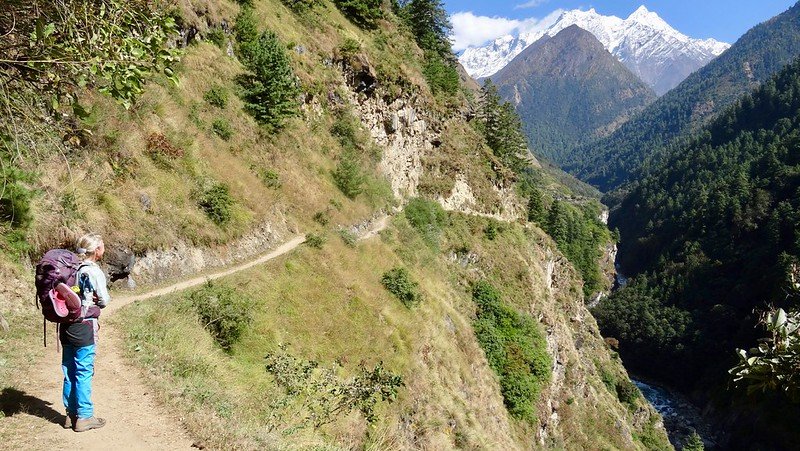
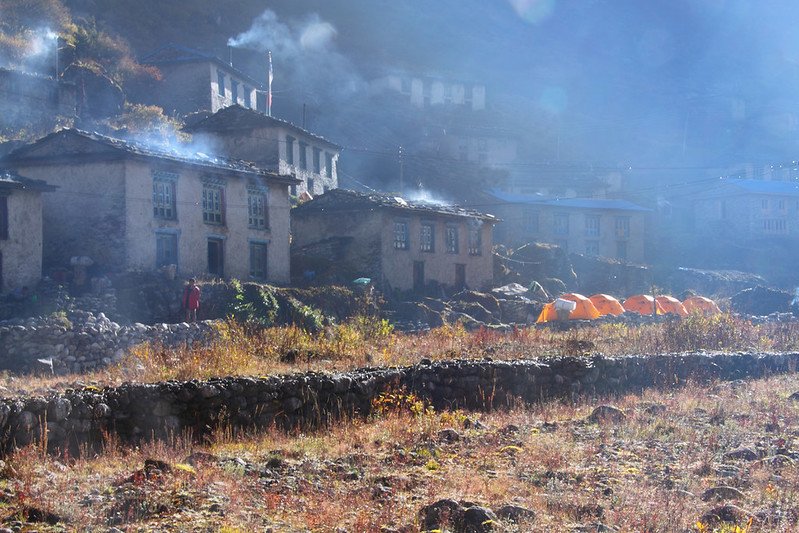
Tucked between the popular Annapurna Circuit route and the high valleys of Manang, the Nar Phu Valley Trek in Nepal offers a rare opportunity to experience a restricted trekking region that only opened to foreign trekkers in 2003. The trail leads through deep gorges, narrow cliffs, suspension bridges, and high-altitude terrain where traditional stone villages like Nar and Phu still preserve centuries-old Buddhist culture, monasteries, prayer flags, and yak-herding lifestyles.
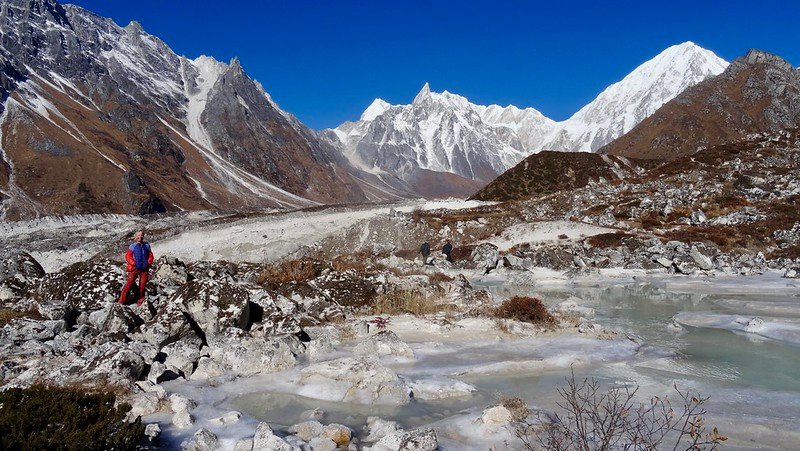
The highlight of this adventure is the challenging crossing of the Kang La Pass (5,320m), one of the most scenic high passes in the Himalayas. From the summit, trekkers are rewarded with breathtaking panoramic views of towering Himalayan peaks including Annapurna II, Gangapurna, Tilicho Peak, Pisang Peak, and the surrounding snow-covered ranges. The descent leads into the beautiful Manang Valley, connecting the trek with the classic Annapurna region trails.
Why Choose Nar Phu Valley Trek via Kang La Pass?
The Nar Phu Valley Trek is ideal for trekkers looking for a less crowded, culturally rich, and adventurous Himalayan experience. Unlike the busy Annapurna Circuit, this route feels like stepping back in time.
Top Reasons to Choose This Trek:
- Explore a restricted Himalayan valley opened only in 2003
- Experience untouched Tibetan-influenced culture
- Cross the thrilling Kang La Pass (5,320m)
- Walk through deep gorges, cliffs, and ancient villages
- Far fewer trekkers compared to other Nepal routes
- Combine with Annapurna Circuit for extended adventure
Nar Phu Valley Trek via Kang La Pass – Highlights
- Explore one of Nepal’s most remote and restricted trekking regions
- Experience untouched Tibetan-influenced culture in Nar and Phu villages
- Cross the thrilling Kang La Pass (5,320m) with panoramic Himalayan views
- Trek through dramatic canyons, cliffs, and high-altitude desert landscapes
- Visit ancient Buddhist monasteries and traditional stone settlements
- Enjoy fewer crowds compared to popular Annapurna trekking routes
- Spot Himalayan wildlife like blue sheep and mountain birds
- Combine Nar Phu Valley with the scenic Annapurna region trails
- Witness stunning views of Annapurna II, Gangapurna, and Tilicho Peak
- Perfect adventure for off-the-beaten-path trekking in Nepal
Difficulty Level – Is Nar Phu Valley Trek Hard?
The Nar Phu Valley Trek via Kang La Pass is generally classified as a moderate to challenging trekking route in Nepal, making it more suitable for adventurous travelers who are comfortable with high-altitude trekking conditions. This remote Himalayan journey demands a good level of physical fitness due to long walking days, steep ascents and descents, and the crossing of the high Kang La Pass at 5,320 meters, where altitude can significantly affect stamina and breathing.
One of the main challenges of the Nar Phu Valley Trek in Nepal is its extremely remote nature. The trail passes through isolated valleys with limited infrastructure, basic teahouse accommodation, and minimal modern facilities. Trekkers should also be prepared for rugged terrain, narrow canyon paths, and long trekking hours each day as the route moves deep into the restricted Nar and Phu regions.
Despite these challenges, the trek is achievable for fit beginners who prepare in advance with regular hiking, cardio training, and proper acclimatization. It is especially ideal for experienced trekkers and adventure seekers looking for an authentic off-the-beaten-path trekking experience in the Annapurna region.
Best Time for Nar Phu Valley Trek
The Nar Phu Valley Trek via Kang La Pass is best experienced during the two main trekking seasons in Nepal spring (March to May) and autumn (September to November) when weather conditions are stable and the Himalayan views are at their clearest.
Spring Season (March–May)
Spring is one of the most beautiful times to trek in the Nar Phu region. During these months, the weather is generally stable with mild temperatures, making long trekking days more comfortable. The skies are usually clear, offering excellent visibility of the surrounding Himalayan peaks. One of the major highlights of trekking in spring is the blooming of rhododendrons and alpine flowers along the lower trails, adding vibrant colors to the rugged landscapes. This season is ideal for trekkers who want a balance of good weather, natural beauty, and fewer extreme cold conditions at higher altitudes.
Autumn Season (September–November)
Autumn is widely considered the best season for the Nar Phu Valley Trek in Nepal. After the monsoon rains, the atmosphere becomes crystal clear, providing breathtaking panoramic views of Annapurna II, Gangapurna, Tilicho Peak, and other Himalayan giants. The weather is stable, with comfortable daytime temperatures and cold but manageable nights, making it perfect for high-altitude trekking and crossing Kang La Pass. Trails are also dry and safer, which makes trekking more enjoyable and less risky during long ascent and descent sections.
Off Seasons – Monsoon & Winter (Avoided Periods)
The monsoon season (June to August) is generally not recommended due to heavy rainfall, landslides, and slippery trails, which can make access to the Nar Phu region difficult and unsafe. Similarly, winter (December to February) brings extreme cold and heavy snowfall, especially around Kang La Pass (5,320m), often blocking the route and making the trek challenging even for experienced trekkers.
Nar Phu Valley Trek Cost
The Nar Phu Valley Trek via Kang La Pass cost can vary depending on several factors such as group size, level of service, season, and whether you choose a private or group trek. Since this is a restricted area trekking route in Nepal, the overall package price is generally higher compared to standard trekking routes due to special permits, mandatory guide requirements, and the remote logistics involved in organizing the journey.
A typical Nar Phu Valley Trek package in Nepal usually includes all essential trekking services to ensure a safe and comfortable experience in the Himalayas. This covers the required trekking permits such as the Restricted Area Permit (RAP) and Annapurna Conservation Area Permit (ACAP), along with experienced licensed guide and porter services. Accommodation is arranged in basic teahouses or local lodges throughout the trek, and full-board meals (breakfast, lunch, and dinner) are provided during the trekking days. Most packages also include transportation from Kathmandu to Jagat or Koto and the return journey after completing the trek.
However, there are certain expenses that are not included in the standard package cost. These typically consist of international flight tickets to and from Nepal, Nepal entry visa fees, personal travel insurance (which is highly recommended for high-altitude trekking), and personal expenses such as hot showers, WiFi, bottled drinks, snacks, and any extra accommodation or meals in Kathmandu before or after the trek.
Why Book with Travel Maker South Asia?
Choosing the right trekking company is essential for safety and experience in restricted regions like Nar Phu Valley.
We Offer:
- Experienced licensed local guides
- Strong safety and altitude protocols
- Customizable trekking packages
- Fair and transparent pricing
- 24/7 support during trek
- Responsible tourism approach
Explore more Himalayan adventures here:
Everest Base Camp Trek, Annapurna Circuit Trek, Manaslu Circuit Trek
Permits Required for Nar Phu Valley Trek
This is a restricted trekking region in Nepal.
You need:
- Restricted Area Permit (RAP)
- Annapurna Conservation Area Permit (ACAP)
- Registered guide (mandatory)
Our team arranges all permits for hassle-free trekking.
Safety & Altitude Considerations – Nar Phu Valley Trek via Kang La Pass
The Nar Phu Valley Trek via Kang La Pass is a high-altitude Himalayan adventure, and safety is one of the most important aspects of the journey. As the trek reaches extreme elevations of up to 5,320 meters at Kang La Pass, proper preparation, guided support, and altitude awareness are essential for a safe and successful trekking experience in this remote region of Nepal.
To ensure maximum safety during the Nar Phu Valley Trek in Nepal, we follow a carefully planned itinerary that includes gradual ascent and well-structured acclimatization days in key locations such as Phu Gaon and Nar Village. These rest days allow your body to adapt naturally to higher altitudes, significantly reducing the risk of Acute Mountain Sickness (AMS).
Our trekking package also includes emergency evacuation support, ensuring that immediate rescue services such as helicopter evacuation can be arranged if any serious altitude-related or medical issues occur. This is especially important in the Nar Phu region, where medical facilities are extremely limited due to its remote and isolated location.
All treks are led by experienced high-altitude licensed guides who are trained in mountain safety, first aid, and altitude sickness prevention. They continuously monitor trekkers’ health conditions throughout the journey, including oxygen saturation levels when necessary, to ensure early detection of any altitude-related symptoms.
In addition, the Nar Phu Valley Trek safety system follows a gradual ascent strategy, allowing trekkers to gain elevation slowly and safely while maintaining proper hydration, rest, and pacing throughout the trail. This approach is crucial when crossing challenging sections like the Kang La Pass (5,320m).
What Makes Kang La Pass Special?
The Kang La Pass (5,320m) is one of the most spectacular and challenging high-altitude mountain passes in the Himalayas, making it the ultimate highlight of the Nar Phu Valley Trek via Kang La Pass in Nepal. This dramatic pass connects the hidden Nar Phu Valley with the Manang region, offering trekkers an unforgettable crossing above the clouds where rugged adventure meets breathtaking natural beauty.
From the summit of Kang La Pass, trekkers are rewarded with some of the most stunning panoramic views in the Annapurna region. The sight of towering peaks such as Annapurna II, Gangapurna, Tilicho Peak, and Pisang Peak creates a truly unforgettable Himalayan experience. Below the pass, the vast Manang Valley opens up with its unique landscapes, blending alpine desert terrain with snow-covered ridgelines and deep mountain valleys.
What makes Kang La Pass even more special is the sense of isolation and achievement it offers. Unlike more crowded trekking routes in Nepal, this crossing feels remote, wild, and untouched, giving trekkers a true sense of Himalayan adventure. The combination of high altitude challenge, dramatic scenery, and cultural connection between Nar Phu and Manang makes Kang La Pass the most rewarding and iconic section of the entire Nar Phu Valley Trek.
Book Nar Phu Valley Trek via Kang La Pass Today
If you are searching for a remote Himalayan adventure in Nepal, the Nar Phu Valley Trek via Kang La Pass is the perfect choice.
Experience ancient culture, dramatic landscapes, and high-altitude adventure in one unforgettable journey.
Contact Us Today to Book Your Trek
Secure your spot with Travel Maker South Asia and explore one of Nepal’s most hidden valleys with expert guidance.
Nar Phu Valley Trek via Kang La Pass (12 Days)
Day 1: Arrival in Kathmandu
Day 2: Preparation & Sightseeing
Day 3: Drive Kathmandu to Koto
Day 4: Trek from Koto to Meta
Day 5: Trek from Meta to Phu Village
Day 6: Exploration Day at Phu Village
Day 7: Trek from Phu Village to Nar Village
Day 8: Exploration Day at Nar Village
Day 9: Cross Kang La Pass, Trek to Ngawal
Day 10: Trek from Ngawal to Chame
Day 11: Drive from Chame to Besisahar
Day 12: Drive back to Kathmandu
Itineraries
Day 1
Arrival in Kathmandu (1,400m)
Upon arrival at Tribhuvan International Airport in Kathmandu, our team will welcome you and transfer you to your hotel. You will receive a short briefing about the Nar Phu Valley Trek itinerary, permits, and preparation for the journey. The evening is free to explore Thamel, the tourist hub of Kathmandu.
Day 2
Preparation & Sightseeing in Kathmandu
Today is dedicated to trek preparation and cultural sightseeing. We assist in final permit arrangements for the restricted Nar Phu Valley Trek, including RAP and ACAP permits. You may also visit UNESCO World Heritage Sites such as Swayambhunath (Monkey Temple), Pashupatinath Temple, or Boudhanath Stupa. This day helps you understand Nepal’s rich culture before heading to the Himalayas.
Day 3
Drive from Kathmandu to Koto (2,600m)
An early morning drive takes you along the Prithvi Highway and into the Annapurna region. The journey passes rivers, terraced hills, and local villages before reaching Koto near Chame. This scenic drive introduces you to the beauty of the Annapurna Conservation Area, where your trekking adventure officially begins.
Day 4
Trek from Koto to Meta (3,560m)
Today, you officially enter the restricted Nar Phu Valley trekking route in Nepal. The trail becomes more rugged, passing through dense forests, narrow gorges, and suspension bridges. As you ascend towards Meta, the landscape becomes increasingly remote and dramatic, with fewer settlements and a strong sense of wilderness.
Day 5
Trek from Meta to Phu Village (4,080m)
The trail continues deeper into the hidden valley, gradually revealing the ancient Tibetan-influenced Phu region. You will cross rocky terrain, dry cliffs, and high-altitude landscapes before reaching Phu Village. This centuries-old settlement offers a unique cultural experience with traditional stone houses, chortens, and prayer flags.
Day 6
Exploration Day at Phu Village (Acclimatization)
This is an important acclimatization day in Phu Village to adjust to higher altitude. You can explore the historic Tashi Lhakhang Monastery, interact with local villagers, and learn about their Tibetan Buddhist traditions. This rest day is essential for preparing your body for the upcoming high pass crossing.
Day 7
Trek from Phu Village to Nar Village (4,110m)
After breakfast, the trail descends slightly and then ascends toward Nar Village. The route passes through remote alpine terrain and offers stunning views of surrounding peaks. Nar Village is another culturally rich settlement with strong Tibetan heritage and traditional mountain lifestyle.
Day 8
Exploration Day at Nar Village (Acclimatization)
A second acclimatization day is included in Nar Village to ensure safe preparation for crossing Kang La Pass (5,320m). You can explore monasteries, walk around the village, and enjoy panoramic mountain views while resting and preparing for the most challenging day of the trek.
Day 9
Cross Kang La Pass (5,320m), Trek to Ngawal
This is the most challenging and rewarding day of the Nar Phu Valley Trek via Kang La Pass. Early morning ascent leads to the high Kang La Pass, offering breathtaking views of Annapurna II, Gangapurna, Tilicho Peak, and surrounding Himalayan ranges. After enjoying the summit views, you descend carefully to Ngawal village in the Manang region.
Day 10
Trek from Ngawal to Chame (2,650m)
Today’s trail descends through beautiful alpine landscapes, pine forests, and traditional villages. You gradually exit the high mountain zone and reach Chame, the district headquarters of Manang, where facilities are more developed and comfortable.
Day 11
Drive from Chame to Besisahar
After breakfast, you drive down the scenic road following the Marsyangdi River. The journey passes through waterfalls, deep valleys, and rural settlements before reaching Besisahar, the gateway to the Annapurna region.
Day 12
Drive from Besisahar to Kathmandu
On the final day, you drive back to Kathmandu, marking the end of your Nar Phu Valley Trek itinerary in Nepal. Upon arrival, you will be transferred to your hotel, and the rest of the day is free for relaxation, shopping, or celebrating your successful Himalayan adventure.
Cost Includes – Nar Phu Valley Trek via Kang La Pass
- All required trekking permits (Restricted Area Permit + ACAP)
- Experienced licensed trekking guide throughout the trek
- Porter service (1 porter for 2 trekkers, if included in package)
- Accommodation in local teahouses/lodges during the trek
- Full board meals (Breakfast, Lunch, Dinner) during trekking days
- Domestic transportation (Kathmandu – Jagat/Koto – Kathmandu)
- Guide and staff insurance, salary, and daily wages
- First aid medical kit and basic safety support
- Government taxes and company service charges
Cost Excludes – Nar Phu Valley Trek via Kang La Pass
- International flight tickets to and from Nepal
- Nepal entry visa fees
- Travel and high-altitude insurance (mandatory)
- Personal trekking equipment and clothing
- Hot showers, WiFi, and charging fees during trek
- Bottled drinks, alcoholic beverages, and snacks
- Extra accommodation or meals in Kathmandu (early arrival/late departure)
- Personal expenses such as souvenirs, tips for guide/porter
- Emergency evacuation or helicopter rescue (covered by insurance)
It is a moderate to challenging trek due to high altitude and remote terrain.
Yes, a licensed guide is mandatory as it is a restricted area.
Kang La Pass at 5,320 meters.
Standard itinerary is 12–14 days.
Very limited or no connectivity in most villages.
Fit beginners can do it with proper preparation and acclimatization.
Related Trips
There are no reviews yet.