- Overview
- Trip Outline
- Trip Includes
- Trip Excludes
- Gallery
- FAQ
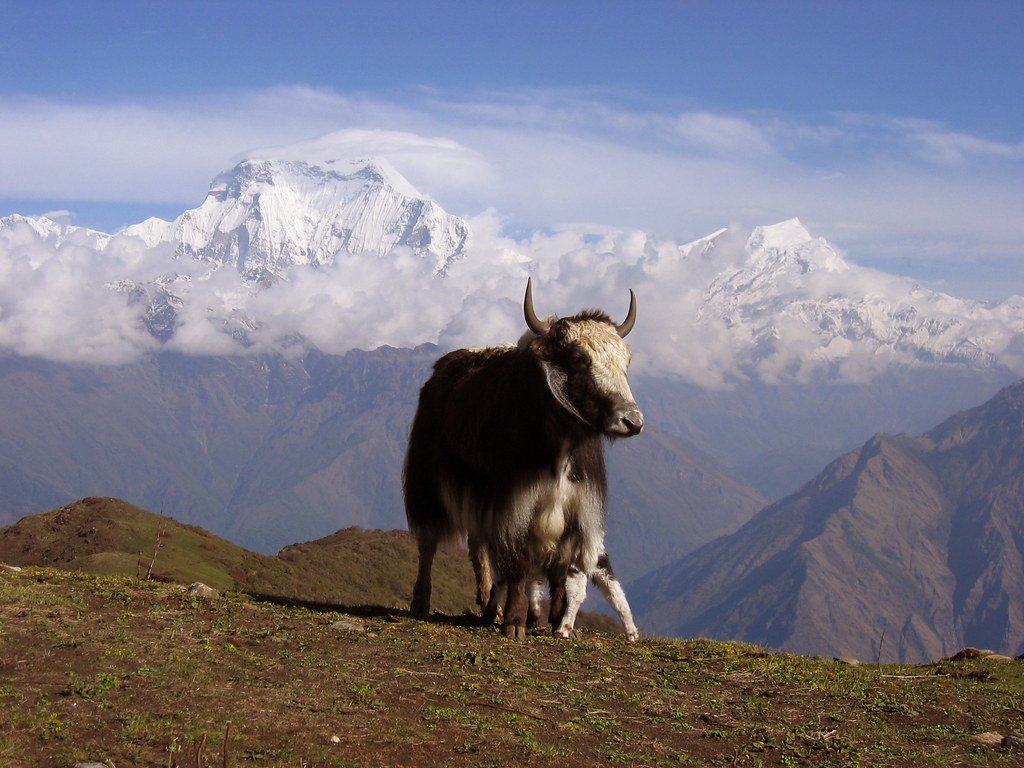
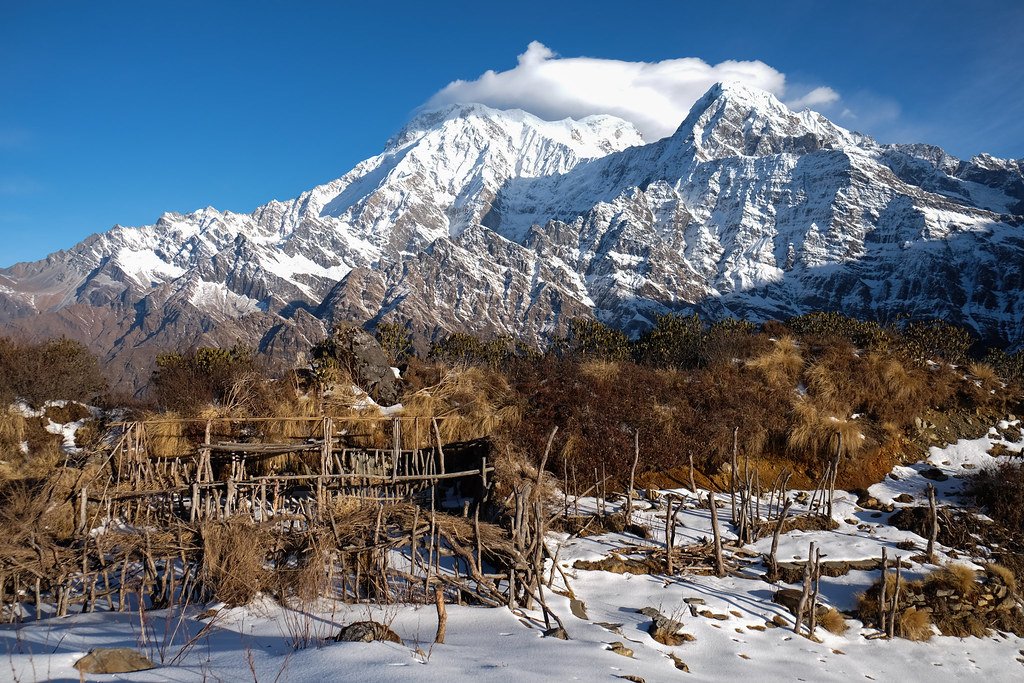
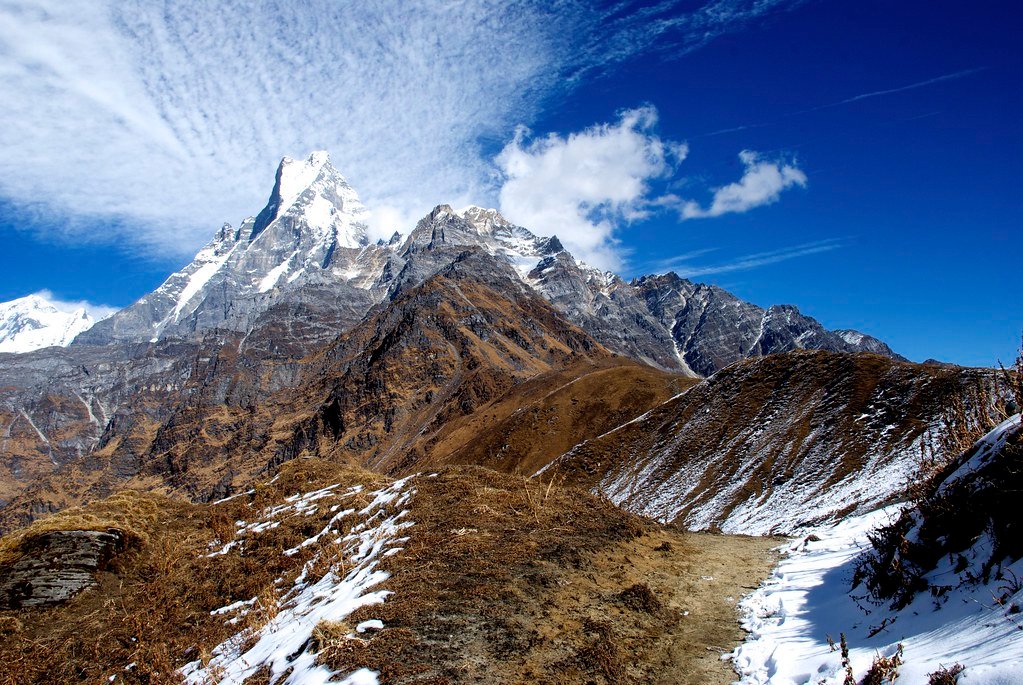
The Mardi Himal Trek is a stunning short trek in the Annapurna region of Nepal, perfect for travelers looking for breathtaking mountain views, quiet trails, and an authentic Himalayan experience without extreme difficulty. This trek takes you close to the majestic peaks of Machhapuchhre (Fishtail), Annapurna South, Hiunchuli, and Mardi Himal, offering panoramic scenery that feels far more remote than the trek length suggests.
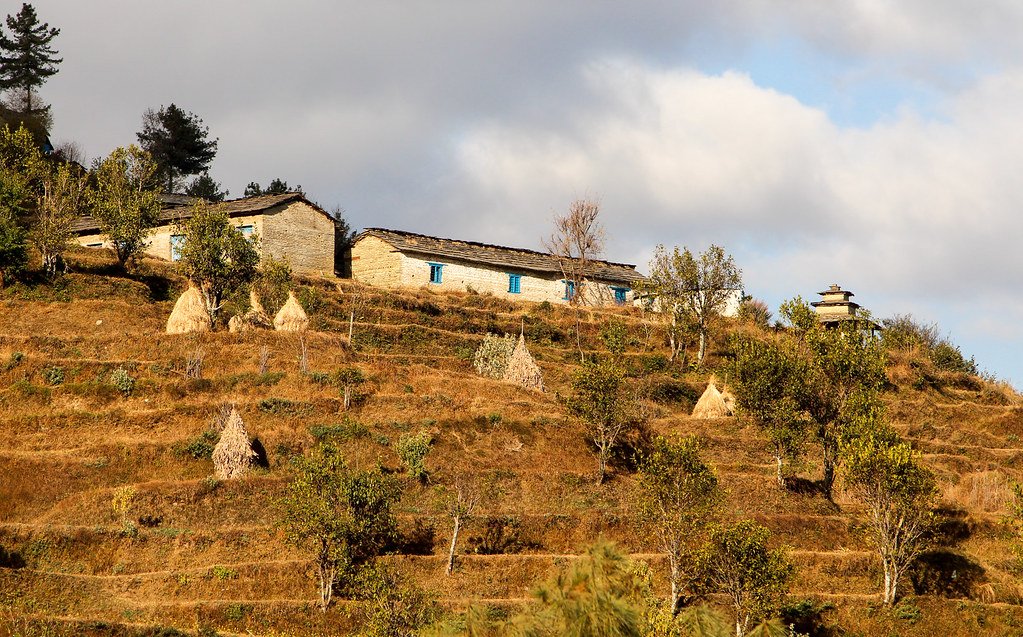
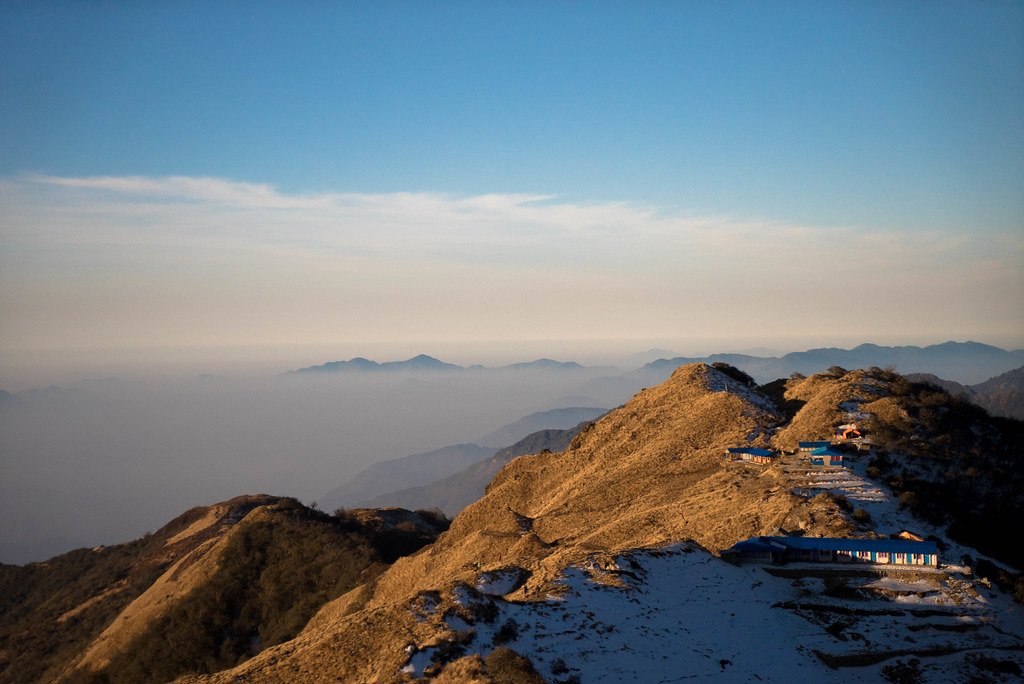
Starting near Pokhara, the trail gradually climbs through lush green forests, traditional Gurung villages, and colorful rhododendron hills, before reaching high alpine landscapes above the tree line. As you gain altitude, the views become wider and more dramatic, with snow-capped mountains rising directly in front of you. One of the biggest highlights is the sunrise view from Mardi Himal View Point, where the mountains glow in golden light.
The Mardi Himal Trek is ideal for beginners, first-time trekkers, and travelers with limited time, while still being rewarding for experienced hikers who want a peaceful alternative to crowded routes like Annapurna Base Camp. With comfortable teahouse accommodation, well-marked trails, and moderate daily walking hours, this trek offers a perfect balance of adventure, nature, and comfort.
Because of its natural beauty, short duration, and easy access from Pokhara, the Mardi Himal Trek has become one of the best short treks in Nepal, suitable for solo travelers, couples, families, and small groups.
Why Choose the Mardi Himal Trek?
- Short and scenic trek with close-up views of the Annapurna range
- Peaceful and less crowded trail compared to popular treks
- Stunning views of Machhapuchhre (Fishtail Mountain) throughout the trek
- Ideal for first-time trekkers and beginners
- Perfect for travelers with limited holiday time
- Well-marked trails with comfortable teahouse accommodation
- Beautiful mix of forests, villages, and high alpine landscapes
- Easily accessible from Pokhara, with flexible itineraries
Best Time for Mardi Himal Trek
The best time to do the Mardi Himal Trek is during spring (March to May) and autumn (September to November), when the weather is stable and mountain views are clear. In spring, the trail comes alive with blooming rhododendron forests, green hills, and pleasant temperatures, making it one of the most beautiful seasons for trekking. Days are warm, nights are comfortable, and visibility of Machhapuchhre and the Annapurna range is excellent.
Autumn is considered the ideal season for the Mardi Himal Trek, offering dry weather, crisp air, and the best mountain visibility of the year. After the monsoon, the skies are clear, trails are in great condition, and temperatures are perfect for trekking. This season is popular due to reliable weather and stunning panoramic views.
The trek is also possible in winter (December to February), especially for those who enjoy quieter trails and snow-covered landscapes. However, temperatures can be very cold at higher elevations, and snowfall may affect the route near High Camp. Proper warm clothing is essential.
During the monsoon season (June to August), the region becomes lush and green, but heavy rainfall can make trails muddy and slippery. Clouds may block mountain views, and leeches can be common in forested areas. This season is less recommended, though it offers fewer crowds and vibrant natural scenery.
Mardi Himal Trek Difficulty
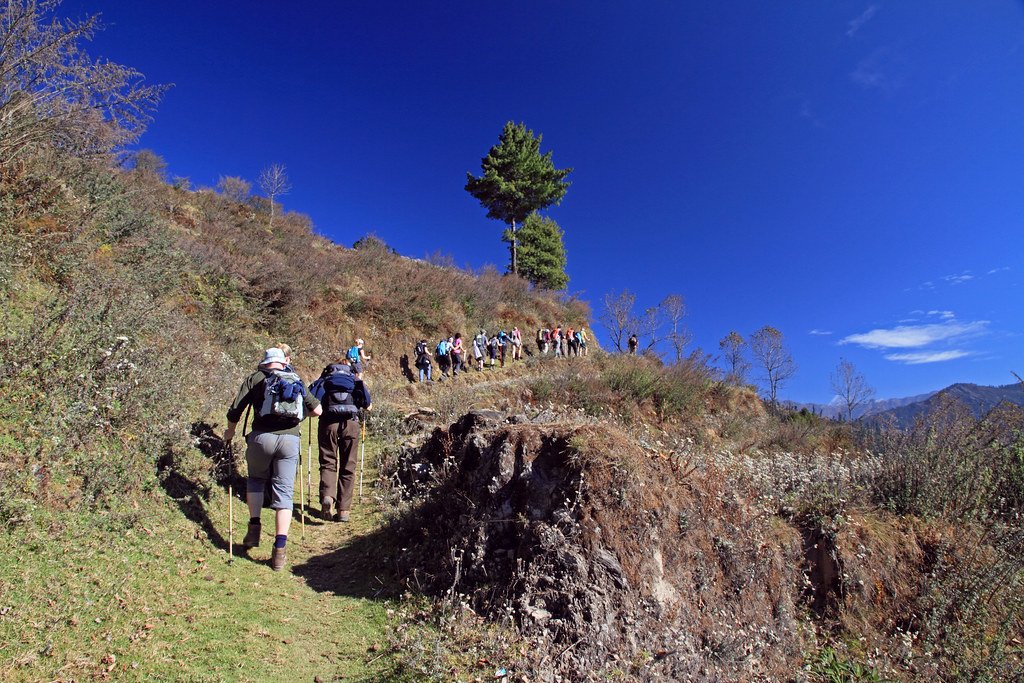
The Mardi Himal Trek is rated as an easy to moderate trek, making it suitable for trekkers with basic fitness and a normal walking ability. The trail follows well-established Nepal trekking paths, with a mix of stone steps, forest trails, and gradual uphill sections. While there are some steady ascents, especially after Forest Camp, the trek does not require technical climbing skills or prior high-altitude experience.
The maximum altitude reached on this trek is 4,200 meters at Mardi Himal View Point, which means altitude gain is gradual and manageable. Proper acclimatization, a steady pace, and adequate hydration help most trekkers adjust comfortably. Daily walking hours are moderate, usually ranging from 4 to 6 hours, allowing enough time for rest and enjoyment of the scenery.
Because of its clear trails, teahouse facilities, and shorter duration, the Mardi Himal Trek is ideal for beginners, first-time trekkers, families, and travelers trekking in Nepal for the first time, while still offering rewarding mountain views and a true Himalayan trekking experience.
Accommodation & Meals during Mardi Trek
During the Mardi Himal Trek, accommodation and meals are provided in a simple, comfortable, and authentic Nepali style. In Kathmandu and Pokhara, you will stay in tourist standard hotels with clean rooms, private bathrooms, and basic modern facilities, allowing you to relax before and after the trek. While trekking, accommodation is in local teahouses, which are simple, clean, and family-run lodges along the trail. Rooms are usually twin-sharing with basic bedding, and bathrooms are commonly shared. These teahouses offer a warm welcome, cozy atmosphere, and a true Himalayan village experience.
Meals during the trek are freshly prepared at the teahouses and are mainly based on local Nepali food, providing enough energy for daily walking on Nepal’s mountain trails. You will receive breakfast, lunch, and dinner during the trek, with menu options such as traditional Dal Bhat (rice, lentil soup, vegetables), noodles, fried rice, soups, potatoes, momos, eggs, and seasonal vegetables. Dal Bhat is the most popular meal among trekkers as it is filling, nutritious, and often comes with unlimited refills. In Kathmandu and Pokhara, breakfast is provided at the hotel with more variety, while on the trek food remains simple, fresh, and nourishing.
Required Permits for Mardi trek
For the Mardi Himal Trek, trekkers are required to have two official trekking permits issued by the Government of Nepal. These include the Annapurna Conservation Area Permit (ACAP) and the TIMS (Trekkers’ Information Management System) Card. Both permits are mandatory for trekking in the Annapurna region and help support conservation efforts and trekker safety. All required permits are arranged by us in advance, so you do not need to worry about paperwork or standing in long queues.
What to Pack for Mardi Himal Trek
-
Trekking Boots & Socks
Comfortable, well-broken-in trekking boots with good grip are essential for Nepal’s mountain trails. Bring several pairs of warm trekking socks to keep your feet dry and comfortable. -
Warm Clothing (Down Jacket & Fleece)
A down jacket is important for cold mornings and nights, especially at High Camp. A fleece or warm layer is ideal for daytime trekking in cooler weather. -
Sleeping Bag
A sleeping bag rated for cold temperatures is recommended, as teahouses provide blankets but nights can be cold at higher elevations. -
Rain Jacket / Waterproof Layer
A lightweight rain jacket or waterproof shell protects you from rain, wind, and changing mountain weather. -
Trekking Poles
Trekking poles help reduce pressure on your knees, especially during steep uphill and downhill sections. -
Water Bottle
Carry a reusable water bottle (1–2 liters). Water is available along the trail and can be boiled or purified at teahouses. -
Personal Medicine & Toiletries
Bring personal medicines, basic first-aid items, sunscreen, lip balm, hand sanitizer, tissues, and toiletries, as shops are limited in higher areas. -
Other Useful Items
-
Backpack or daypack
-
Hat, gloves, and sunglasses
-
Headlamp or torch
-
Phone/camera with spare batteries or power bank
-
This packing list is enough for a comfortable and safe Mardi Himal Trek without carrying unnecessary weight.
Booking & Customization
The Mardi Himal Trek offers flexible options to suit a variety of schedules, budgets, and fitness levels. Trekkers can choose between private departures for a more personalized experience or group departures for a social trekking environment. Our team provides professional guidance to tailor the itinerary according to your preferences, ensuring a comfortable and memorable journey. To arrange your trek or discuss customized options, please contact us directly and our experienced staff will assist you with all booking arrangements and preparations.
Mardi Himal Trek (7 Days)
- Day 1: Arrival in Kathmandu
- Day 2: Preparation & Sightseeing
- Day 3: Drive to Pokhara, Drive to Kande, Trek to Lovely Danda
- Day 4: Trek from Lovely Danda to Low Camp
- Day 5: Trek from Low Camp to High Camp
- Day 6: Hike to View Point / Mardi Himal Base Camp, Trek down to Low Camp
- Day 7: Trek to Sidhing, Drive back to Kathmandu
Itineraries
Day 1
Arrival in Kathmandu
Upon arrival at Tribhuvan International Airport in Kathmandu, you will be greeted by our representative and transferred to your hotel. This day is reserved for rest after your journey and to acclimatize to the city. In the evening, you will attend a short trek briefing covering the itinerary, necessary permits, packing tips, and safety information. Overnight stay is at a hotel in Kathmandu.
Day 2
Preparation & Sightseeing
This day is dedicated to preparing for the trek. You will explore the cultural and historical highlights of Kathmandu, including the Pashupatinath Temple, Boudhanath Stupa, and Kathmandu Durbar Square. You will also have time for last-minute shopping for trekking gear and supplies. The day concludes with a review of your trekking plan and overnight stay at your Kathmandu hotel.
Day 3
Drive to Pokhara, Drive to Kande, Trek to Lovely Danda
Early morning, you will drive or fly to Pokhara, enjoying scenic views along the route. From Pokhara, you will take a drive to Kande, the starting point of the trek. The trek begins here, passing through small villages, terraced fields, and forests, gradually ascending to Lovely Danda, a beautiful teahouse nestled in the hills. Trekking duration is approximately 4–5 hours. Overnight stay at Lovely Danda.
Day 4
Trek from Lovely Danda to Low Camp
The trail continues through dense rhododendron and oak forests, offering glimpses of local village life along the way. The path gradually climbs toward Low Camp, providing panoramic views of the surrounding mountains. Trekking time is about 5–6 hours, with breaks to enjoy the scenery and capture photographs. Overnight stay at Low Camp teahouse.
Day 5
Trek from Low Camp to High Camp
Today involves a steeper ascent through alpine terrain as the trail emerges from the forest into open highlands. Along the way, you will enjoy stunning views of Machhapuchhre, Annapurna South, and Hiunchuli. Arrive at High Camp by late afternoon, a perfect spot to enjoy the sunset over the mountains. Trekking duration is approximately 5–6 hours. Overnight stay at High Camp teahouse.
Day 6
Hike to View Point / Mardi Himal Base Camp, Trek down to Low Camp
An early morning hike takes you to Mardi Himal View Point or Base Camp to witness a spectacular sunrise over the Annapurna range and surrounding peaks. After spending time enjoying the panoramic views and taking photographs, you will descend back to Low Camp. Total trekking time for the day is about 6–7 hours. Overnight stay at Low Camp.
Day 7
Trek to Sidhing, Drive back to Kathmandu
The final day of trekking involves a gradual descent through forests, small villages, and terraced fields to Sidhing, where you will meet your vehicle for the drive back to Kathmandu. The drive offers scenic views of the countryside, rivers, and hills. Upon arrival in Kathmandu, you will check in to your hotel or continue with onward travel plans. This concludes the Mardi Himal Trek experience.
- Airport/Bus pick-up and drop-off in Pokhara
- Transportation to trekking start point (Nayapul)
- Licensed English-speaking trekking guide
- Porter service (1 porter per 2 trekkers)
- Accommodation in teahouses during the trek
- Three meals per day while trekking
- ACAP & TIMS permits
- Guide and porter insurance, salary, and meals
- Basic first-aid kit carried by the guide
- Government taxes and service charges
- Travel and trekking insurance (mandatory)
- Accommodation and meals in Pokhara
- Personal trekking equipment and gear
- Hot showers, Wi-Fi, and charging fees during the trek
- Drinks, snacks, and personal expenses
- Tips for guide and porter (optional)
- Costs due to itinerary changes, weather, or emergencies
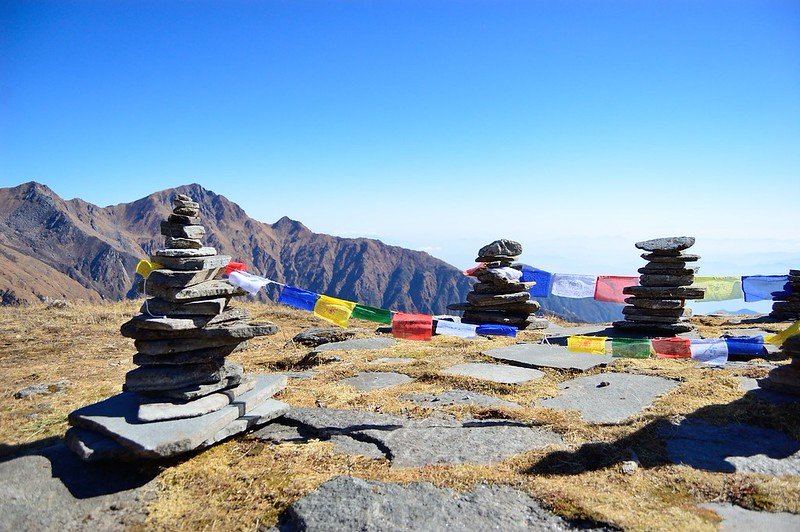
The best seasons for the Mardi Himal Trek are spring (March to May) and autumn (September to November). During these periods, the weather is stable, skies are clear, and the mountain views are spectacular. Winter trekking is possible but can be cold, while the monsoon season may bring slippery trails and cloud cover.
The Mardi Himal Trek is rated as easy to moderate. It is suitable for beginners and first-time trekkers with basic fitness. The maximum altitude reached is 4,200 meters at Mardi Himal View Point, and daily walking hours range from 4 to 7 hours.
Accommodation is in tourist-standard hotels in Kathmandu and Pokhara, and local teahouses during the trek. Teahouses are simple but clean, providing twin-sharing rooms. Meals are based on local Nepali food, including Dal Bhat, noodles, soups, momos, and vegetables, providing enough energy for trekking.
Yes, trekkers need an Annapurna Conservation Area Permit (ACAP) and a TIMS Card. Both permits are arranged by the trekking company, so you don’t need to worry about obtaining them yourself.
While experienced trekkers can hike independently, it is highly recommended to hire a licensed guide. Guides provide safety, local knowledge, and logistical support. Porters can also be hired to carry luggage, making the trek more comfortable.
Essential items include trekking boots, warm clothing (down jacket and fleece), rain jacket, trekking poles, sleeping bag, water bottle, and personal medicine. Additional items like gloves, hat, sunglasses, headlamp, and sunscreen are also recommended for a comfortable and safe trekking experience.
Related Trips