- Overview
- Trip Outline
- Trip Includes
- Trip Excludes
- Gallery
- Reviews
- FAQ
The Manaslu and Tsum Valley Trek is a spectacular and less-traveled trekking route in Nepal, offering a perfect blend of adventure, culture, and breathtaking natural beauty. Unlike the crowded trails of Everest and Annapurna, this trek takes you through remote landscapes where you can immerse yourself in the serene environment of the Himalayas. Ideal for adventure seekers, nature lovers, and cultural enthusiasts, the trek combines the challenging Manaslu Circuit Trek with the hidden and sacred Tsum Valley, one of Nepal’s most mystical regions.
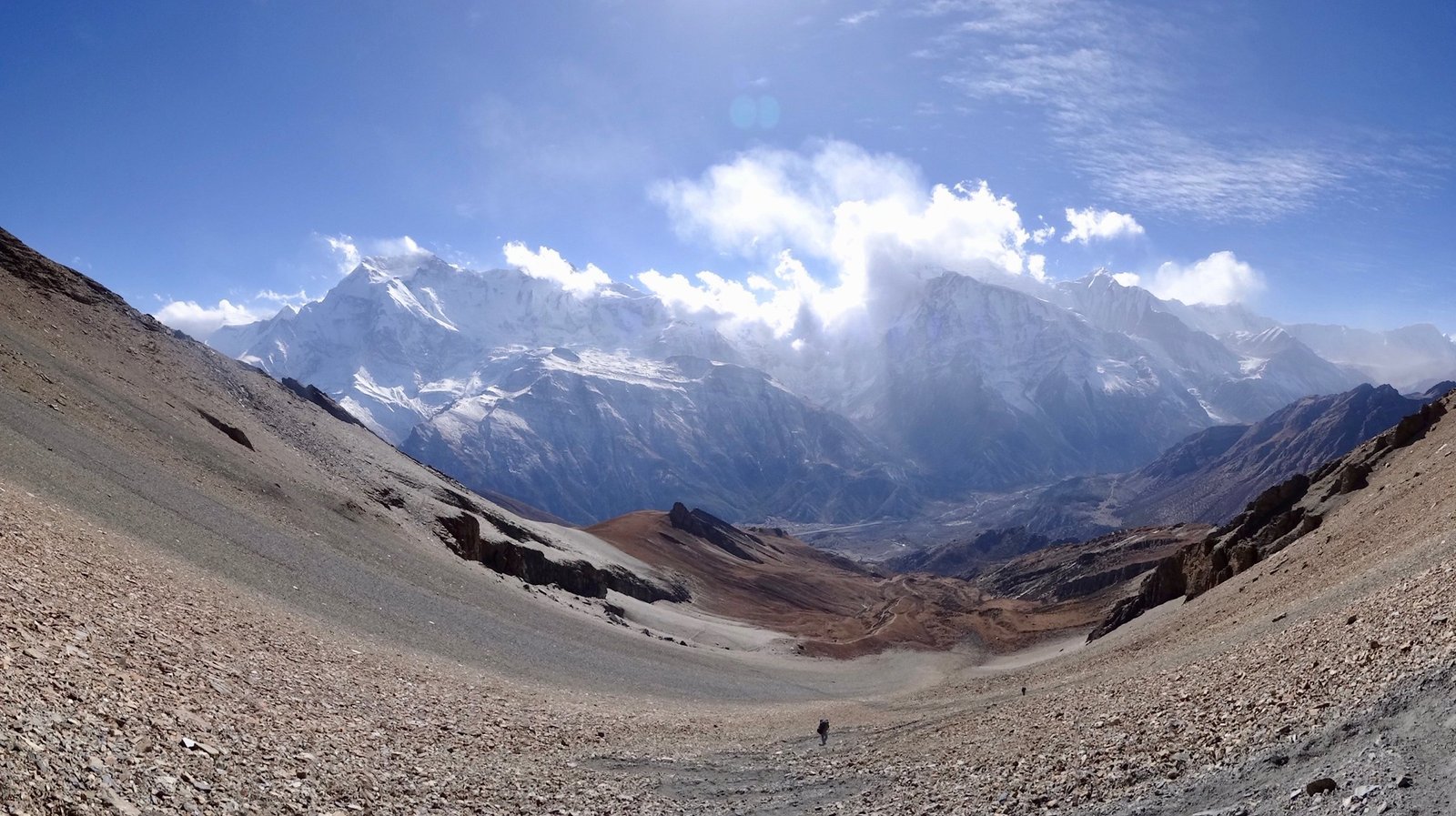
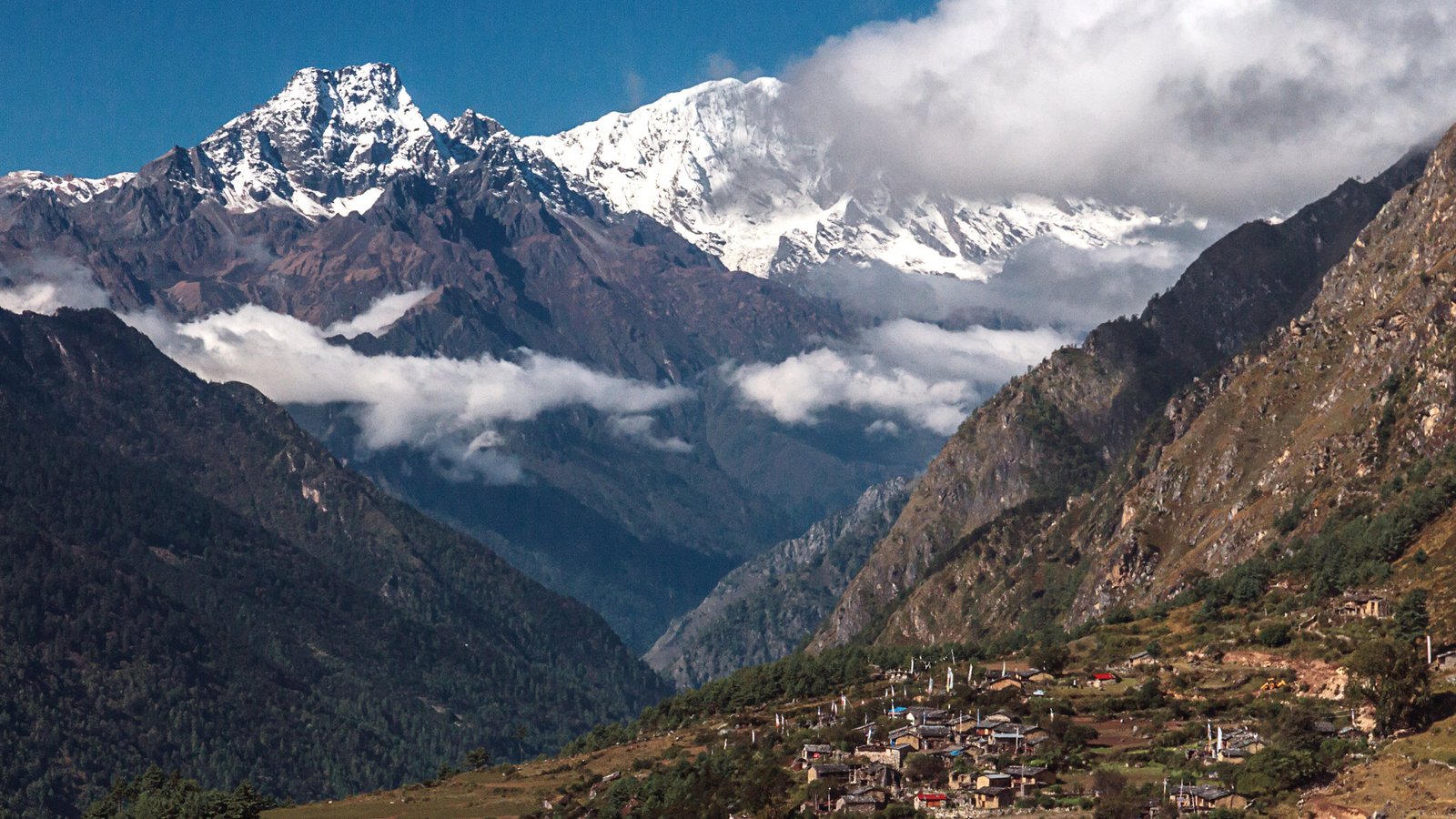
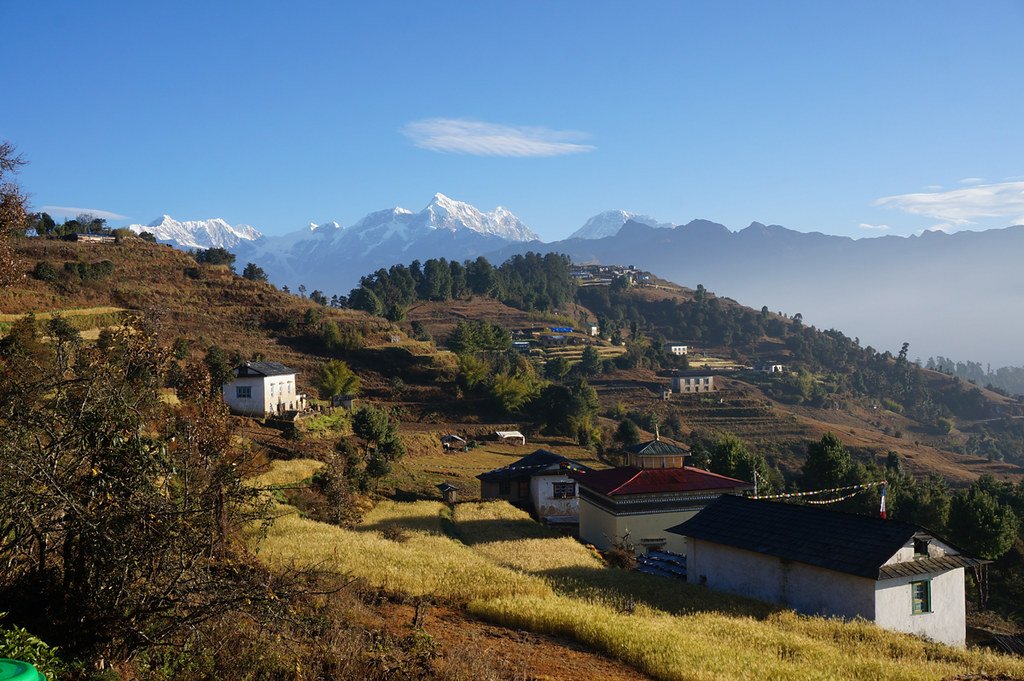
During this journey, trekkers will circumnavigate Mount Manaslu (8,163m), the world’s eighth highest peak, while experiencing the tranquility of Tsum Valley, which lies close to the Tibetan border. The trail leads through rugged mountains, deep river gorges, and dense forests, offering panoramic views of towering peaks like Himalchuli, Ganesh Himal, and Shishapangma across the border in Tibet. Along the way, trekkers will have the unique opportunity to explore ancient monasteries, prayer-studded villages, and experience authentic Himalayan village life shaped by Tibetan Buddhism.
This trek is perfect for those looking to explore off-the-beaten-path trails, witness traditional Tibetan culture, and enjoy pristine natural beauty. The combination of high mountain passes, lush valleys, traditional villages, and serene landscapes makes the Manaslu and Tsum Valley Trek a once-in-a-lifetime adventure in Nepal.
Why Choose Manaslu and Tsum Valley Trek?
This trek is perfect for travelers who want:
- A remote and less touristy route
- Deep cultural experience
- Adventure with high mountain pass crossing
- Combination of nature, mountains, and spiritual sites
- Authentic village life and warm local hospitality
Tsum Valley was opened to trekkers only in 2008, so it still keeps its original culture and traditions. The valley is known as the “Hidden Valley” and is strongly influenced by Tibetan Buddhism.
Highlights of the Trek
- Explore the remote and sacred Tsum Valley
- Visit ancient monasteries like Mu Gompa and Rachen Gompa
- Trek around Mount Manaslu (8,163m)
- Cross the challenging Larkya La Pass (5,106m)
- Enjoy stunning views of Himalchuli, Ganesh Himal, Manaslu, and other peaks
- Experience Tibetan-influenced culture and lifestyle
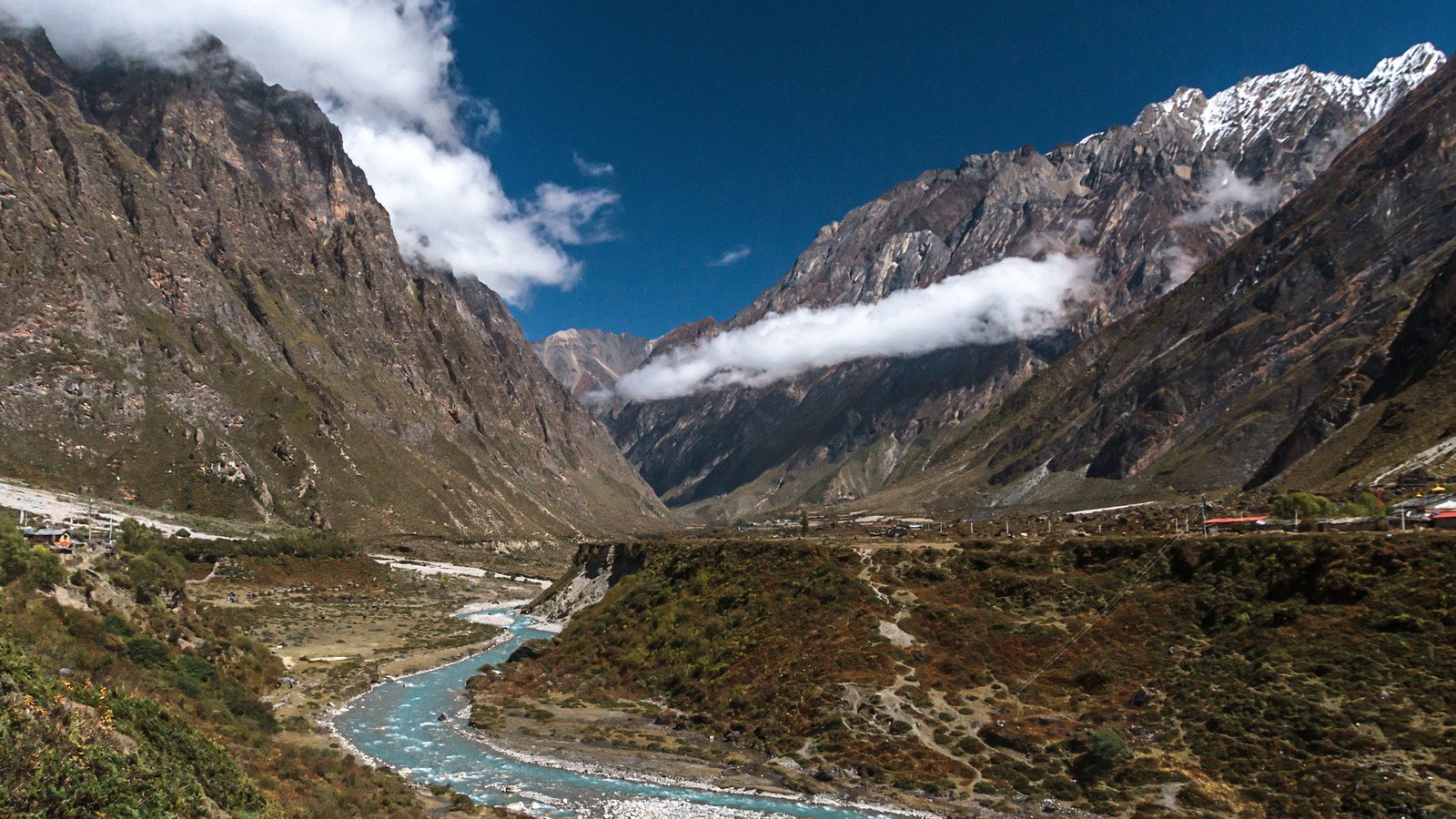
- Walk through forests, waterfalls, rivers, and high alpine landscapes
- Less crowded and peaceful trekking trail
Trek Difficulty – Manaslu and Tsum Valley Trek
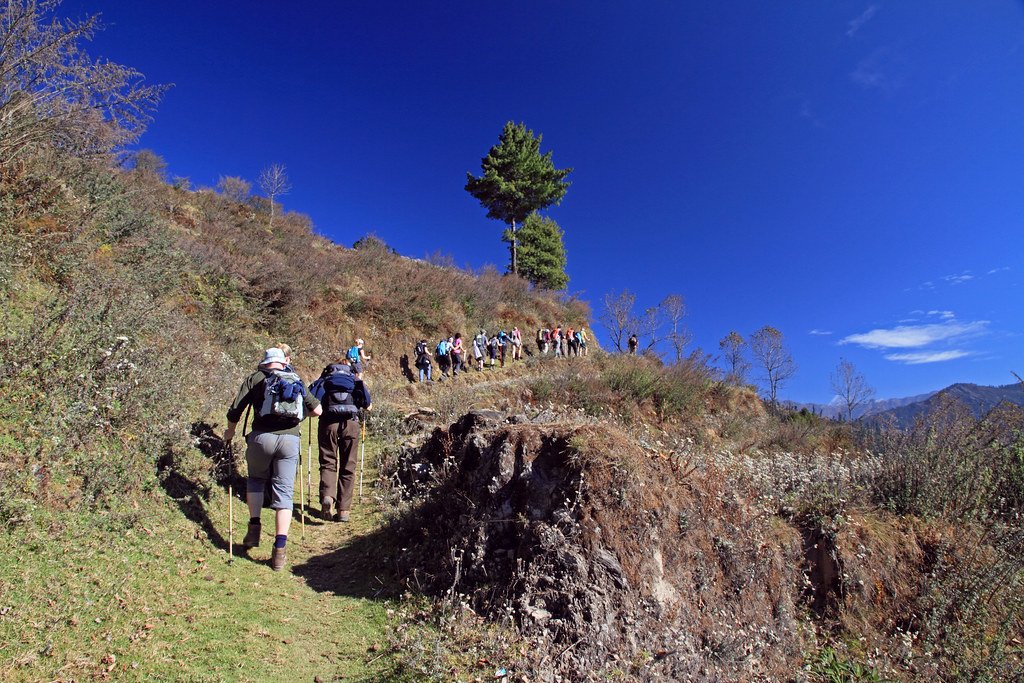
The Manaslu and Tsum Valley Trek is classified as a moderate to challenging trek, suitable for experienced trekkers and adventure enthusiasts who are physically fit and ready for high-altitude trekking. Trekkers typically walk 6 to 8 hours per day on rugged mountain trails, which include steep ascents, rocky paths, and occasional river crossings.
One of the key challenges of this trek is the Larkya La Pass, which stands at 5,106 meters (16,752 feet), making it one of the highest points on the route. Crossing this high-altitude pass requires endurance, proper pacing, and mental resilience. Additionally, daily trekking through remote villages, deep valleys, and forested areas demands stamina and adaptability to changing trail conditions.
While prior trekking experience is helpful, this trek is achievable for determined beginners with good physical preparation. To minimize the risk of altitude sickness, the itinerary includes strategically planned acclimatization days at key points such as Samagaon and Manaslu Base Camp, allowing trekkers’ bodies to adjust gradually to higher elevations.
Overall, the Manaslu and Tsum Valley Trek difficulty provides a perfect balance of adventure, challenge, and reward, making it ideal for those seeking off-the-beaten-path trekking in Nepal, stunning Himalayan scenery, and an immersive cultural experience in Tibetan-influenced mountain villages.
Accommodation & Food – Manaslu and Tsum Valley Trek
During the Manaslu and Tsum Valley Trek, trekkers stay in local tea houses and mountain lodges, offering a comfortable and authentic Himalayan experience. Accommodation along the trail is simple but cozy, with twin-sharing rooms as the standard. Many lodges provide basic bedding, warm blankets, and shared bathrooms, creating a homely atmosphere where you can rest and recharge after long trekking days. Staying in tea houses also allows trekkers to interact closely with local families and experience the daily life of the Himalayan communities.
Food on this trek is fresh, nourishing, and prepared daily by the local lodge families. Traditional Nepali meals such as Dal Bhat (rice, lentils, and vegetables) are served alongside Tibetan specialties like momos (dumplings) and Tibetan bread. Trekkers can also enjoy a variety of dishes including noodles, pasta, fried rice, soups, pancakes, and eggs, ensuring energy for long trekking days. Hot drinks such as tea, coffee, and local herbal infusions are available throughout the trek, helping to keep warm during cold evenings.
This combination of authentic accommodation and wholesome Himalayan food not only provides comfort but also enhances the cultural experience of the trek, making the Manaslu and Tsum Valley Trek an unforgettable adventure through remote villages and pristine mountain landscapes.
Permits Required – Manaslu and Tsum Valley Trek
The Manaslu and Tsum Valley Trek passes through restricted and protected areas of Nepal, which makes obtaining special trekking permits mandatory. These permits are required to ensure environmental protection, safety, and cultural preservation of the remote regions.
Trekkers need the following permits to complete this journey:
-
Manaslu Restricted Area Permit – This permit is mandatory for all trekkers entering the Manaslu region. It helps regulate tourism in this sensitive area and supports local communities.
-
Tsum Valley Restricted Area Permit – Required specifically for trekking in the sacred and hidden Tsum Valley, this permit allows you to explore the valley’s monasteries, villages, and pristine landscapes.
-
Manaslu Conservation Area Permit (MCAP) – This permit is issued by the Manaslu Conservation Area Project to preserve the biodiversity, wildlife, and natural resources of the region.
-
Annapurna Conservation Area Permit (ACAP) – Depending on the trekking route, this permit may also be needed for the lower sections of the trail near Dharapani or Jagat.
It is important to note that a licensed guide is mandatory for the Manaslu and Tsum Valley Trek. This requirement ensures the safety of trekkers in remote areas, assists with local permits, and provides expert knowledge about the culture, environment, and geography of the region.
Obtaining these permits in advance through a reliable trekking agency is highly recommended. Proper permits not only allow a smooth trekking experience but also support local conservation and sustainable tourism in the Manaslu and Tsum Valley region of Nepal.
Best Time to Trek – Manaslu and Tsum Valley Trek
The Manaslu and Tsum Valley Trek can be undertaken during multiple seasons, but the most ideal times are spring (March to May) and autumn (September to November). These months offer the best combination of stable weather, clear skies, and spectacular mountain views, making your trekking experience both safe and visually rewarding.
Spring (March–May) is one of the most popular times for trekking in Manaslu and Tsum Valley. During this season, the trails are surrounded by blooming rhododendron forests, colorful flowers, and fresh greenery. The temperatures are generally comfortable, allowing trekkers to enjoy long hiking days without the extremes of cold or heat. This is also an excellent season for photographers and nature lovers, as the landscape comes alive with vibrant colors and clear visibility of Mount Manaslu (8,163m) and neighboring peaks.
Autumn (September–November) is another perfect trekking season, offering stable weather and crystal-clear skies. After the monsoon rains, the mountains and valleys are lush, and the views of high Himalayan peaks are at their sharpest. Autumn is ideal for trekkers who want to witness snow-capped mountains, pristine landscapes, and traditional Himalayan villages in bright sunlight.
Winter trekking is possible but less recommended due to extremely cold temperatures at high altitudes, particularly near Larkya La Pass (5,106m). Monsoon season (June–August) is not suitable for this trek, as heavy rain and potential landslides can make trails dangerous and difficult.
Culture and People – Manaslu and Tsum Valley Trek
The Tsum Valley and upper Manaslu region are rich in Tibetan Buddhist culture and offer trekkers a unique opportunity to experience authentic Himalayan traditions. As you explore this remote area, you will encounter vibrant prayer flags fluttering in the mountain breeze, intricately carved Mani walls, and sacred chortens (stupas) that mark important religious sites. The region is also home to ancient monasteries, such as Mu Gompa and Rachen Gompa, which serve as spiritual centers for local communities and offer insight into centuries-old religious practices.
Traditional stone houses and wooden-facade homes dot the villages along the trekking route, reflecting the architectural style adapted to the harsh mountain environment. The local people live a simple, self-sufficient life, relying on agriculture, livestock, and trade. They follow ancient Tibetan Buddhist customs, celebrate festivals with vibrant rituals, and maintain a deep respect for their natural surroundings.
Trekkers are often welcomed with warm hospitality, homemade meals, and genuine friendliness, making cultural interaction a highlight of the trek. Experiencing the unique lifestyle, spiritual traditions, and cultural richness of the Tsum Valley and Manaslu region adds depth to the adventure, allowing travelers to connect not only with the mountains but also with the people who call this remote Himalayan region home.
Travel Insurance – Manaslu and Tsum Valley Trek
Travel insurance is mandatory for all trekkers undertaking the Manaslu and Tsum Valley Trek, due to the remote location, high altitudes, and challenging terrain. A comprehensive travel insurance policy ensures your safety and peace of mind throughout the journey and is essential for handling any unexpected emergencies.
Your travel insurance must cover high-altitude trekking up to 5,200 meters (17,060 feet), including the demanding Larkya La Pass, where altitude sickness and weather-related risks are possible. In addition, it should provide coverage for emergency helicopter evacuation, which is the most reliable and fastest method of rescue in case of severe illness, injury, or altitude-related complications. Medical coverage is also critical, including hospitalization, treatment for injuries, and repatriation if necessary.
When selecting travel insurance for this trek, make sure the policy explicitly includes high-altitude trekking and emergency evacuation, as many standard travel insurance policies do not cover trekking above 3,000 meters. Having proper insurance ensures that you are fully prepared for any unexpected situation and can enjoy your trek through the remote Manaslu and Tsum Valley regions with confidence and security.
Packing List (Basic)
- Good trekking boots
- Warm jacket (down jacket)
- Sleeping bag
- Trekking poles
- Gloves and hat
- Sunscreen and sunglasses
- Personal medicine
Group Size – Manaslu and Tsum Valley Trek
The Manaslu and Tsum Valley Trek has a minimum group size requirement of 2 people, which is mandated by the Nepalese government for treks in restricted areas. This regulation ensures safety, proper management of permits, and compliance with local trekking rules.
For trekkers who prefer a more personalized experience, private trips can also be arranged. Private trekking groups offer flexibility in itinerary, pace, accommodation choices, and interaction with local communities. This option is ideal for couples, families, or small groups of friends who want to enjoy a more intimate and customized trekking adventure in the remote Manaslu and Tsum Valley regions.
Whether joining a small group or opting for a private trek, each group is accompanied by a licensed trekking guide, as required for the restricted Manaslu and Tsum Valley area. The guide ensures safety, assists with permits, provides cultural insights, and supports acclimatization strategies for high-altitude trekking.
Manaslu & Tsum Valley Trek (18 Days)
- Day 1: Arrival in Kathmandu
- Day 2: Preparation & Sightseeing
- Day 3: Drive Kathmandu to Machhakhola
- Day 4: Trek from Machhakhola to Lokpa
- Day 5: Trek from Lokpa to Chumling
- Day 6: Trek from Chumling to Chhekampar
- Day 7: Trek from Chhekampar to Mu Gompa
- Day 8: Trek from Mu Gompa to Chumling
- Day 9: Trek from Chumling to Deng
- Day 10: Trek from Deng to Namrung
- Day 11: Trek from Namrung to Samagaun
- Day 12: Exploration Day at Samagaun
- Day 13: Trek from Samagaun to Samdo
- Day 14: Trek from Samdo to Dharamshala
- Day 15: Cross Larke Pass, Trek to Bhimthang
- Day 16: Trek from Bhimthang to Tilje
- Day 17: Drive to Besisahar
- Day 18: Drive back to Kathmandu
Itineraries
Day 1
Arrival in Kathmandu
Arrive at Tribhuvan International Airport, Kathmandu, where our representative will welcome you and transfer you to your hotel. Take the day to relax, explore the vibrant streets of Kathmandu, or enjoy local cuisine. Prepare for your upcoming adventure and ensure all trekking gear is ready.
Day 2
Preparation & Sightseeing in Kathmandu
Complete trekking permit arrangements, including Manaslu Restricted Area Permit, Tsum Valley Permit, and MCAP/ACAP permits. Spend the afternoon sightseeing in Kathmandu’s cultural landmarks such as Swayambhunath Stupa (Monkey Temple) and Durbar Square, gaining insight into Nepalese history and culture.
Day 3
Drive from Kathmandu to Machhakhola
Take a scenic drive to Machhakhola, the starting point of the trek. Travel through picturesque landscapes, rivers, and villages along the Budhi Gandaki River. Overnight stay in a tea house, preparing for your first trekking day.Take a scenic drive to Machhakhola, the starting point of the trek. Travel through picturesque landscapes, rivers, and villages along the Budhi Gandaki River. Overnight stay in a tea house, preparing for your first trekking day.
Day 4
Trek from Machhakhola to Lokpa
Begin trekking through lush forests, terraced fields, and small villages. The trail follows the Budhi Gandaki River, offering views of mountains and local life. Overnight stay in Lokpa tea house.
Day 5
Trek from Lokpa to Chumling
Trek through traditional Gurung and Tibetan-influenced villages, cross small suspension bridges, and enjoy views of the surrounding hills and forests. Arrive at Chumling and stay in a local tea house.
Day 6
Trek from Chumling to Chhekampar
Continue your journey into the Tsum Valley, a hidden Himalayan region rich in Tibetan Buddhist culture. Visit Mani walls and chortens along the trail. Overnight stay in Chhekampar.
Day 7
Trek from Chhekampar to Mu Gompa
Today, trek to Mu Gompa, one of the sacred monasteries in Tsum Valley. Explore the monastery and interact with local monks, gaining a deeper understanding of Tibetan Buddhism. Stay overnight near the monastery in a tea house.
Day 8
Trek from Mu Gompa to Chumling
Return to Chumling while enjoying panoramic views of the Himalayan peaks, forested trails, and traditional villages. Overnight stay in Chumling tea house.
Day 9
Trek from Chumling to Deng
The trail descends to Deng, passing through riverside forests, bamboo groves, and quaint villages. Enjoy the changing landscape as you approach lower altitudes. Overnight stay in Deng tea house.
Day 10
Trek from Deng to Namrung
Trek through lush landscapes, stone villages, and mountain streams. Arrive at Namrung, known for its traditional houses and close proximity to the Manaslu region. Overnight stay in a tea house.
Day 11
Trek from Namrung to Samagaun
Climb gradually towards Samagaun, a picturesque village with spectacular views of Mount Manaslu and surrounding peaks. Overnight stay in Samagaun tea house.
Day 12
Exploration Day at Samagaun
Acclimatization and exploration day at Samagaun. Optional short hikes include Samagaun viewpoints, glacier trails, and visits to local monasteries. Rest and prepare for the high-altitude Larkya La Pass.
Day 13
Trek from Samagaun to Samdo
Ascend gradually through alpine landscapes to Samdo, the last village before Larkya La Pass. Samdo offers panoramic views of Manaslu, Himalchuli, and nearby glaciers. Overnight stay in a tea house.
Day 14
Trek from Samdo to Dharamshala
Trek from Samdo to Dharamshala, a small settlement preparing trekkers for the Larkya La Pass crossing. Stunning views of mountains and glacial valleys accompany the trail. Overnight stay in Dharamshala tea house.
Day 15
Cross Larkya La Pass, Trek to Bhimthang
This is the most challenging day of the trek. Cross the Larkya La Pass (5,106m), enjoying breathtaking Himalayan panoramas. Descend to Bhimthang for a well-deserved rest. Overnight stay in a tea house.
Day 16
Trek from Bhimthang to Tilje
Descend through lush valleys, rivers, and forests towards Tilje. Enjoy the changing landscapes and observe local life in small villages along the trail. Overnight stay in Tilje tea house.
Day 17
Drive to Besisahar
After completing the trek, take a scenic drive from Tilje to Besisahar, passing through rivers, terraced fields, and mountain villages. Overnight stay in Besisahar or continue directly to Kathmandu.
Day 18
Drive Back to Kathmandu
Return to Kathmandu by private vehicle. Arrival in the capital marks the end of the Manaslu & Tsum Valley Trek. Transfer to your hotel or airport for departure. Celebrate the successful completion of your remote Himalayan adventure!
- Airport pickup and drop-off
- Hotel in Kathmandu (before and after trek)
- All necessary trekking permits
- Licensed trekking guide
- Porter service (1 porter for 2 trekkers)
- All meals during the trek (Breakfast, Lunch, Dinner)
- Tea house accommodation during the trek
- Ground transportation
- Government taxes and service charges
- International flights
- Nepal visa fee
- Travel insurance (mandatory)
- Personal expenses (drinks, snacks, hot shower, charging)
- Tips for guide and porter
- Extra nights in Kathmandu
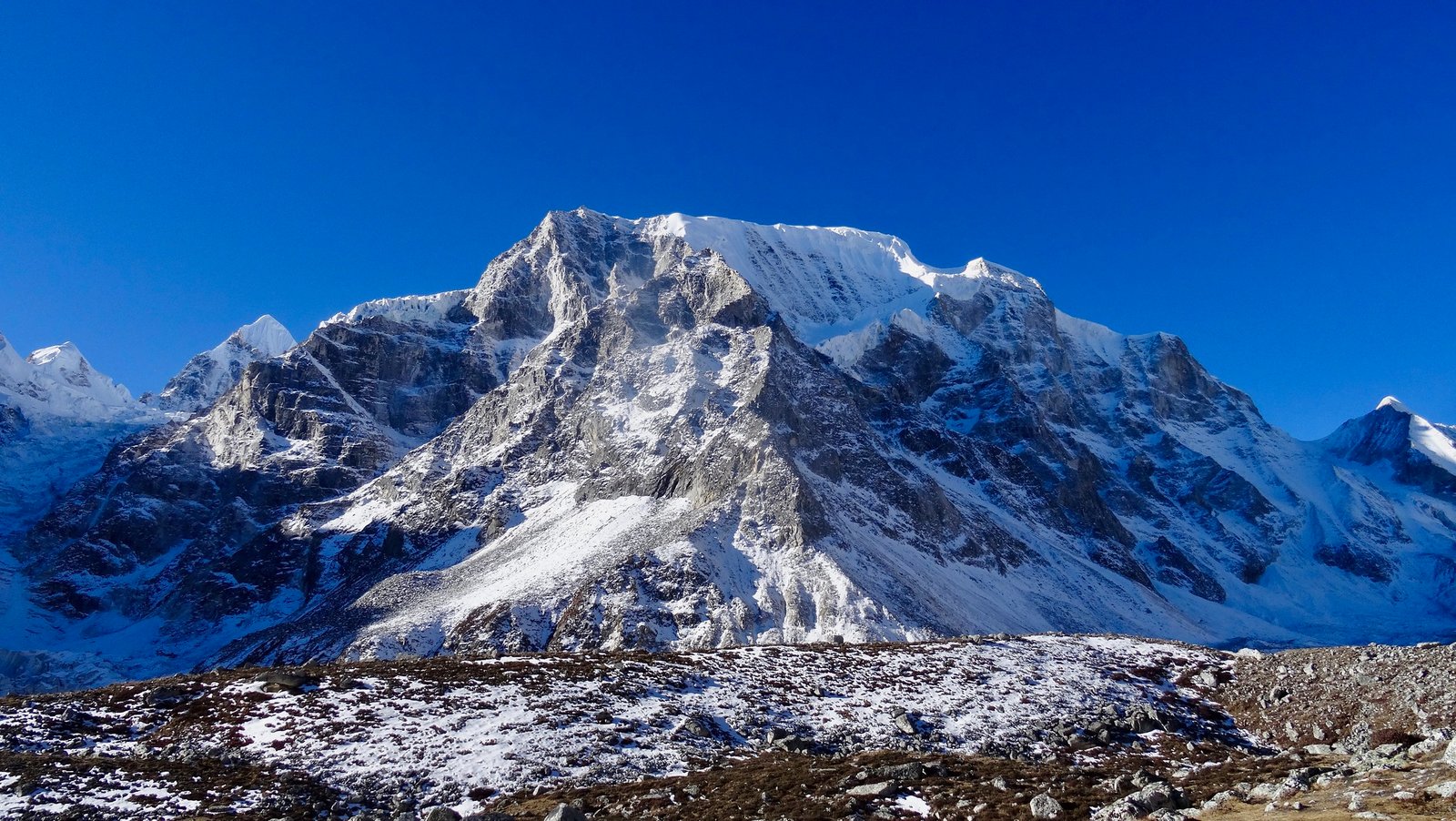
The trek is considered moderate to challenging, with daily walking of 6–8 hours and high-altitude sections, including the Larkya La Pass at 5,106 meters. Good physical fitness and prior trekking experience are helpful, and the itinerary includes acclimatization days to reduce the risk of altitude sickness.
The best seasons are spring (March–May) and autumn (September–November). During these months, the weather is stable, skies are clear, and visibility of the Himalayan peaks is excellent. Spring offers blooming rhododendron forests, while autumn provides crisp views of snow-capped mountains. Monsoon season and winter are less ideal due to landslides, heavy rain, or extreme cold.
Yes. Since this is a restricted area trek, special permits are required:
Manaslu Restricted Area Permit
Tsum Valley Restricted Area Permit
Manaslu Conservation Area Permit (MCAP)
Annapurna Conservation Area Permit (ACAP) (if trekking near lower regions)
A licensed trekking guide is mandatory to comply with government regulations.
Trekkers stay in local tea houses and lodges along the trail. Accommodation is simple but comfortable, mostly twin-sharing rooms with basic facilities. Meals include Nepali dishes like Dal Bhat, Tibetan specialties like momos and Tibetan bread, as well as noodles, soups, pancakes, eggs, tea, and coffee, freshly prepared by local families.
Yes, comprehensive travel insurance is mandatory. The policy must cover:
High-altitude trekking (up to 5,200 meters)
Emergency helicopter evacuation
Medical expenses and hospitalization
Proper insurance ensures safety in case of accidents, altitude sickness, or other emergencies in this remote region.
The minimum group size is 2 people due to restricted area regulations. Private treks can also be arranged for couples, families, or small groups, offering a more personalized experience. All groups must be accompanied by a licensed guide, ensuring safety, permit compliance, and cultural guidance throughout the trek.
Related Trips
There are no reviews yet.