- Overview
- Trip Outline
- Trip Includes
- Trip Excludes
- Gallery
- Reviews
- FAQ
The Langtang Valley Trek is one of the most scenic and rewarding trekking routes in Nepal, located north of Kathmandu near the Tibetan border. It is often considered one of the best short treks in Nepal because it offers an excellent combination of Himalayan mountain views, rich local culture, and diverse natural landscapes in a relatively short time. Due to its close distance from Kathmandu, this trek is perfect for travelers who want a memorable Himalayan experience without long travel days.
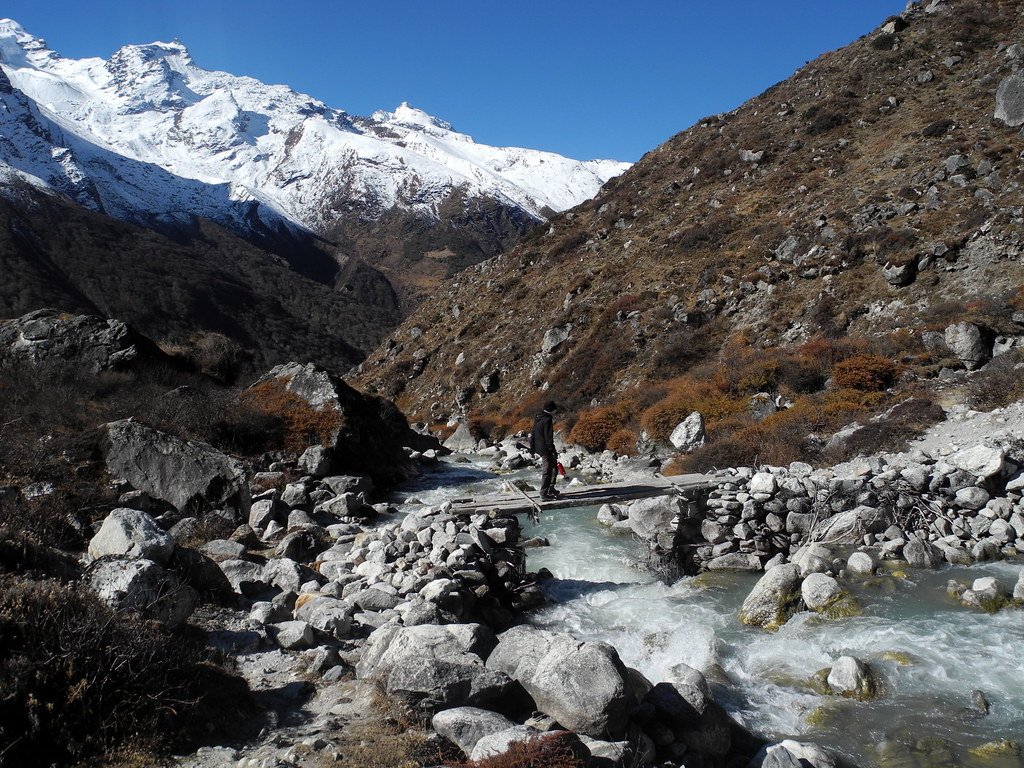
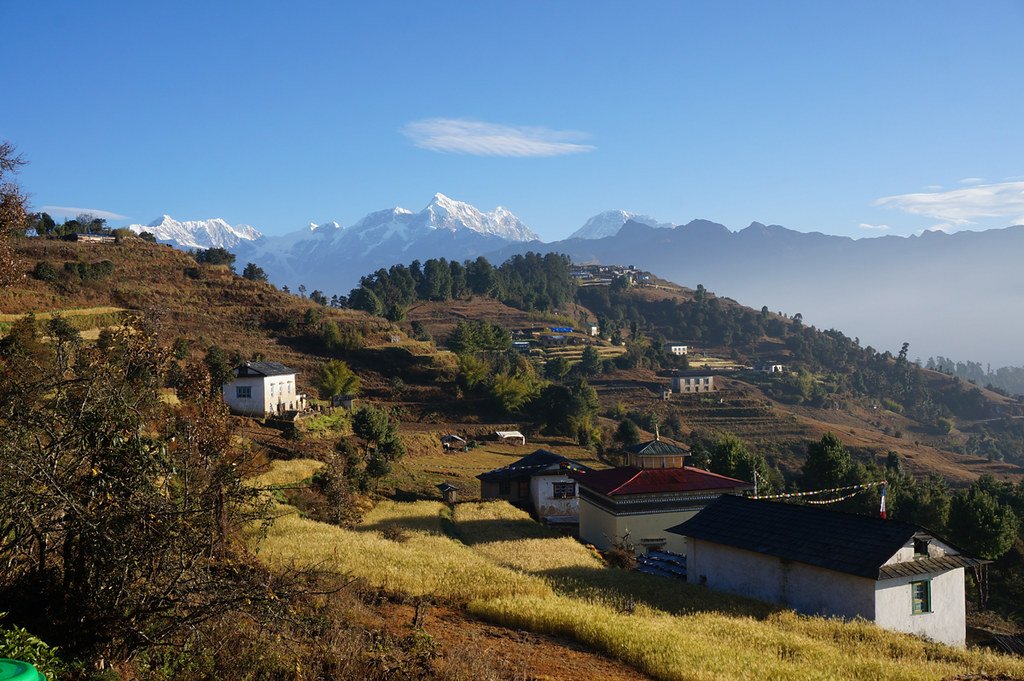
The trek begins with a drive to Syabrubesi and follows a beautiful trail along the Langtang River, passing through lush forests of pine, bamboo, and rhododendron, as well as waterfalls and mountain streams. Along the way, you walk through traditional Tamang villages, where you can experience local customs, Buddhist monasteries, prayer flags, and stone houses that reflect Tibetan-influenced culture. The warm hospitality of the local people makes the journey even more special.
As you continue higher, the landscape opens into the wide and peaceful Langtang Valley, surrounded by snow-capped Himalayan peaks such as Langtang Lirung, Dorje Lakpa, and other nearby mountains. The trek’s highest point is Kyanjin Gompa (3,870 m), a beautiful village and spiritual center where trekkers can explore local monasteries, visit a yak cheese factory, or hike to nearby viewpoints for panoramic mountain views.
The Langtang Valley Trek is known for being less crowded than popular routes like Everest Base Camp or Annapurna Base Camp, making it ideal for travelers seeking a quiet and authentic trekking experience. It is considered a moderate and beginner-friendly trek, with gradual altitude gain and comfortable walking days. This makes it suitable for first-time trekkers as well as experienced hikers who want a peaceful trek with stunning scenery.
Why Choose the Langtang Valley Trek?
- Enjoy close views of Langtang Lirung and surrounding Himalayan peaks.
- Walk through peaceful forests with pine, bamboo, and rhododendrons.
- Experience unique Tamang culture, traditions, and monasteries.
- Stay in friendly local teahouses along the trail.
- Reach Kyanjin Gompa, the spiritual heart of the Langtang Valley.
- Moderate difficulty suitable for most fit trekkers.
- Short trek close to Kathmandu with easy access.
- Excellent value trek with fewer crowds than popular routes.
Best Time to Trek Langtang Valley (Season Guide)
The best time to trek Langtang Valley in Nepal is during spring (March to May) and autumn (September to November), when the weather is stable, temperatures are comfortable, and mountain views are at their best. These seasons are ideal for safe trekking, clear visibility, and an enjoyable overall experience in the Langtang region.
During spring, the Langtang Valley comes alive with blooming rhododendron forests, green hills, and fresh mountain air. Daytime temperatures are mild, and skies are often clear, making this season perfect for photography and nature lovers. Wildlife sightings are also more common during spring, adding to the trekking experience.
Autumn is the most popular season for the Langtang Valley Trek, especially after the monsoon rains clear the dust from the mountains. The trails are dry, the weather is stable, and the visibility of Himalayan peaks such as Langtang Lirung is excellent. Because this is peak trekking season in Nepal, it is recommended to book your Langtang Valley Trek in advance.
The winter season (December to February) offers a quieter and more peaceful trekking experience with beautiful snow-covered landscapes. However, temperatures can be very cold at higher altitudes, and proper winter clothing is essential. The monsoon season (June to August) brings heavy rainfall, cloudy skies, and slippery trails, which can limit mountain views and trekking comfort, so it is generally not recommended for most trekkers.
Langtang Valley Trek Cost
The Langtang Valley Trek cost typically ranges from USD 600 to USD 1,000 per person, depending on several factors such as group size, number of trekking days, level of service, and accommodation options. Larger groups usually receive better per-person rates, while private or customized treks may cost slightly more. The total price may also vary based on whether you choose a standard teahouse trek or add extra services for comfort.
In most trekking packages, the cost includes all essential services needed for a safe and enjoyable trek. This generally covers transportation from Kathmandu to Syabrubesi and return, licensed trekking guide, porter service, teahouse accommodation during the trek, and three meals per day while trekking. The price also includes required permits such as the Langtang National Park Permit and TIMS Card, along with guide and porter insurance and government taxes.
The Langtang Valley Trek is considered one of the best value trekking packages in Nepal because it offers stunning Himalayan scenery, cultural experiences, and easy access from Kathmandu at a reasonable price. For an exact cost, we recommend contacting us for a custom quote based on your travel dates and group size.
Difficulty & Fitness Requirements
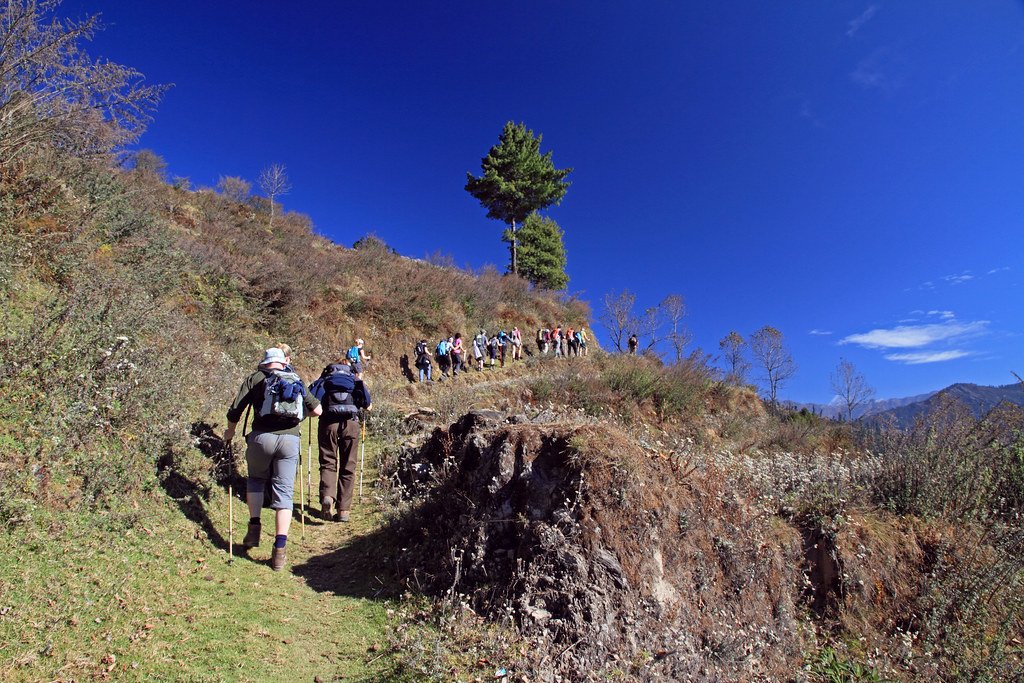
The Langtang Valley Trek is considered an easy to moderate trek, making it one of the most suitable trekking options in Nepal for both beginners and experienced trekkers. On most days, you will walk for about 5 to 6 hours on well-defined mountain trails with gradual uphill and downhill sections. The trekking pace is comfortable, and there are regular rest stops along the way, allowing your body to adjust naturally.
The highest point of the trek is Kyanjin Gompa at 3,870 meters, which is lower than many popular high-altitude treks such as Everest Base Camp or Annapurna Base Camp. Because of the lower elevation and gradual altitude gain, the risk of altitude sickness is reduced, although proper acclimatization and hydration are still important. No technical climbing skills are required for the Langtang Valley Trek.
To enjoy the trek comfortably, basic fitness and regular physical activity are enough. Simple preparation such as walking, light hiking, stair climbing, or cardio exercises for a few weeks before the trip will help build stamina. With a steady walking pace and proper preparation, most trekkers can complete the Langtang Valley Trek easily while enjoying the beautiful scenery and local culture of the Langtang region.
Permits & Regulations
To trek in the Langtang region of Nepal, all trekkers are required to carry official trekking permits issued by the Nepal government. These permits are mandatory and are checked at several checkpoints along the Langtang Valley Trek route. Having the correct permits helps protect the natural environment and ensures the safety and proper management of trekkers in the area. Permits can be obtained in Kathmandu before the trek, or we can arrange all permits for you as part of our Langtang Valley Trek package for a smooth and hassle-free experience.
Required permits for the Langtang Valley Trek:
-
Langtang National Park Permit:
This permit allows entry into Langtang National Park and supports wildlife conservation, forest protection, and local community development in the region. It is required for all foreign trekkers entering the Langtang Valley and must be carried at all times during the trek. -
TIMS (Trekkers’ Information Management System) Card:
The TIMS Card records important trekker information and helps authorities track trekkers for safety and emergency purposes. It plays an important role in rescue operations and overall trek management within the Langtang region.
Accommodation & Meals
During the Langtang Valley Trek, accommodation is provided in local teahouses, which are small, family-run lodges specially built for trekkers. These teahouses offer simple but comfortable rooms, usually with twin beds, clean mattresses, pillows, and blankets. Bathrooms are often shared, especially at higher altitudes, and facilities become more basic as you go higher into the mountains. Despite the simplicity, teahouses are warm, welcoming, and provide a great opportunity to experience local hospitality in the Langtang region.
Meals during the trek are freshly prepared in the teahouses and are designed to provide enough energy for long walking days. Common meal options include Dal Bhat (rice, lentils, and vegetables), noodles, fried rice, pasta, soups, potatoes, eggs, momos, and local bread. Dal Bhat is especially popular among trekkers because it is nutritious and often comes with free refills. Hot drinks such as black tea, milk tea, ginger tea, lemon honey tea, and coffee are available at all teahouses and help keep you warm in cooler temperatures.
Safety & Altitude During Langtang Valley Trek
Safety is one of the most important aspects of the Langtang Valley Trek. While this trek is moderate in difficulty and reaches a maximum altitude of Kyanjin Gompa at 3,870 meters, altitude-related issues can still occur if your body does not adjust properly. Proper acclimatization is essential to prevent altitude sickness, which can include symptoms such as headaches, nausea, dizziness, and fatigue. Walking at a steady pace, taking regular rest breaks, and staying well-hydrated are key strategies to reduce risks and enjoy the trek comfortably.
Our licensed and experienced trekking guides are trained in altitude awareness, first aid, and emergency response, ensuring that every trekker’s safety is a top priority. They carefully monitor your condition each day, help manage your pace, and provide guidance on when to rest or adjust your route if necessary. Guides also assist with trail navigation, weather conditions, and communication with local teahouses, allowing trekkers to focus on enjoying the stunning scenery and cultural experiences.
Additionally, we recommend that trekkers carry a basic personal first-aid kit, wear proper trekking boots, and bring clothing suitable for sudden weather changes, as temperatures can drop quickly in the mountains. By following safety measures, pacing yourself, and relying on our professional guides, the Langtang Valley Trek offers a safe, rewarding, and unforgettable Himalayan adventure while minimizing risks associated with altitude and mountain trekking.
Langtang Valley Trek (9 Days)
Day 1: Arrival in Kathmandu
Day 2: Preparation, Permits & Sightseeing
Day 3: Drive Kathmandu to Syabrubesi, Trek to Doban
Day 4: Trek from Doban to Lama Hotel
Day 5: Trek from Lama Hotel to Langtang Village
Day 6: Trek to Kyanjin Gompa, Afternoon Hike to Kyanjin Ri
Day 7: Early Hike to Tserko Ri, Descend to Kyanjin Gompa
Day 8: Trek from Kyanjin Gompa to Rimche
Day 9: Trek to Syabrubesi, Drive back to Kathmandu
Itineraries
Day 1
Arrival in Kathmandu
Arrive at Tribhuvan International Airport in Kathmandu, where our representative will greet you and transfer you to your hotel. Take this day to rest and recover from your flight. If time allows, you can explore the Thamel area, known for shops, cafes, and trekking gear. Overnight in Kathmandu.
Day 2
Trek Preparation, Permits & Kathmandu Sightseeing
Spend the morning preparing for your trek. Obtain your Langtang National Park Permit and TIMS Card if not pre-arranged. In the afternoon, enjoy a short Kathmandu sightseeing tour, visiting Pashupatinath Temple, Boudhanath Stupa, or Kathmandu Durbar Square. Learn about Nepali culture, local architecture, and Buddhist traditions before your trek. Overnight in Kathmandu.
Day 3
Drive from Kathmandu to Syabrubesi, Trek to Doban
Drive approximately 6–7 hours to Syabrubesi, the gateway to the Langtang Valley. The road passes through scenic hills, terraced farms, and traditional villages. From Syabrubesi, begin your trek along the Langtang River, walking through lush forests of pine, bamboo, and rhododendron. The trail gradually ascends to Doban, a small village with cozy teahouses, where you will spend your first night on the trail. Overnight in Doban.
Day 4
Trek from Doban to Lama Hotel
Today’s trek is moderate, crossing several suspension bridges over the Langtang River. The trail passes through dense forests and small local settlements. You may spot Himalayan birds, monkeys, and beautiful wildflowers along the way. Lama Hotel sits in a scenic valley surrounded by snow-capped peaks, providing a great first glimpse of the higher Himalayas. Overnight in Lama Hotel.
Day 5
Trek from Lama Hotel to Langtang Village
Continue following the Langtang River toward Langtang Village, walking through traditional Tamang villages with stone houses and prayer flags. The trail includes gentle ascents and occasional steps through rocky terrain. Enjoy views of Langtang Lirung and other Himalayan peaks, and interact with locals along the way. Overnight in Langtang Village.
Day 6
Trek to Kyanjin Gompa, Afternoon Hike to Kyanjin Ri
Trek from Langtang Village to Kyanjin Gompa (3,870 m), the spiritual heart of the Langtang Valley. The trail gradually ascends through alpine meadows and moraines. In the afternoon, hike to Kyanjin Ri, a small peak offering panoramic views of Langtang Lirung, Dorje Lakpa, and other surrounding mountains. Overnight in Kyanjin Gompa.
Day 7
Early Hike to Tserko Ri, Descend to Kyanjin Gompa
Wake up early for a sunrise hike to Tserko Ri (4,200 m), one of the best viewpoints in the Langtang region. From here, enjoy 360-degree views of the Langtang range, Langtang Lirung Glacier, and Himalayan valleys. After descending, return to Kyanjin Gompa for lunch and relaxation. Overnight in Kyanjin Gompa.
Day 8
Trek from Kyanjin Gompa to Rimche
Begin the descent, retracing the trail through Langtang Village and Lama Hotel. Today’s trek is easier but still scenic, passing rivers, waterfalls, and green forests. Stop at small villages along the way and enjoy the peaceful atmosphere. Overnight in Rimche teahouse.
Day 9
Trek to Syabrubesi, Drive Back to Kathmandu
Complete the trek with a short walk to Syabrubesi, then drive back to Kathmandu. Enjoy your last views of the Langtang Valley as you descend to the city. Spend your evening in Thamel shopping for souvenirs, relaxing at a café, or celebrating the completion of your trek. Overnight in Kathmandu or transfer to the airport depending on your travel plan.
- Airport pick-up and drop-off in Kathmandu
- Transportation from Kathmandu to Syabrubesi and return
- Licensed English-speaking trekking guide
- Porter service (1 porter for every 2 trekkers)
- Teahouse accommodation during the trek
- Three meals per day during the trek
- Langtang National Park Permit
- TIMS Card
- Guide and porter insurance, salary, food, and accommodation
- Basic first-aid kit
- All government taxes and service charges
- Travel and trekking insurance
- Accommodation and meals in Kathmandu
- Personal trekking equipment
- Hot showers, Wi-Fi, and charging fees during the trek
- Drinks and personal expenses
- Tips for guide and porter
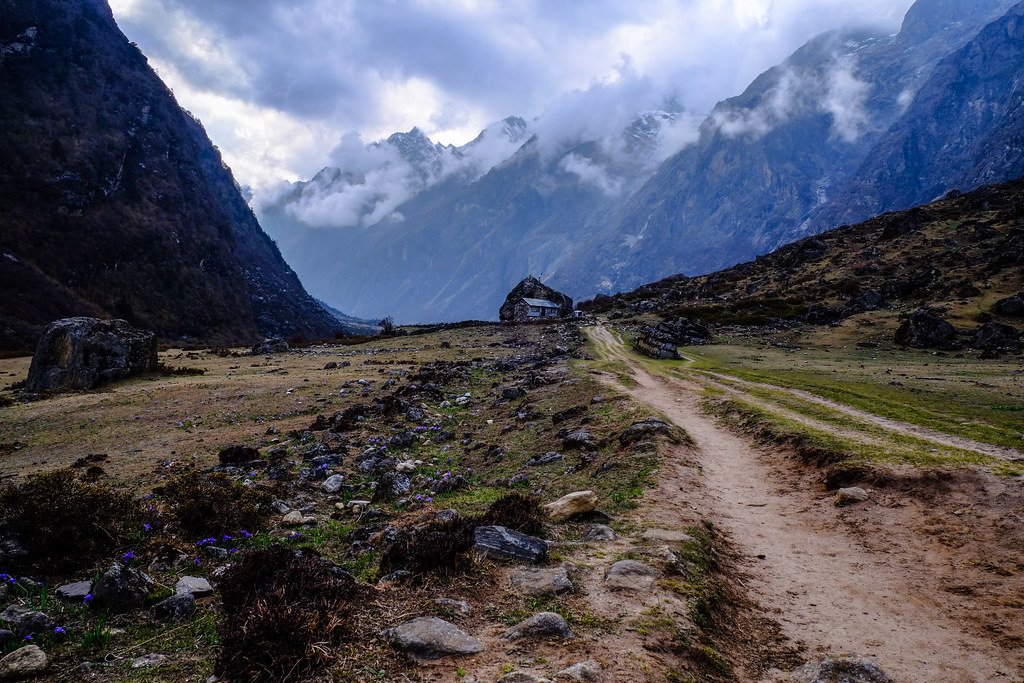
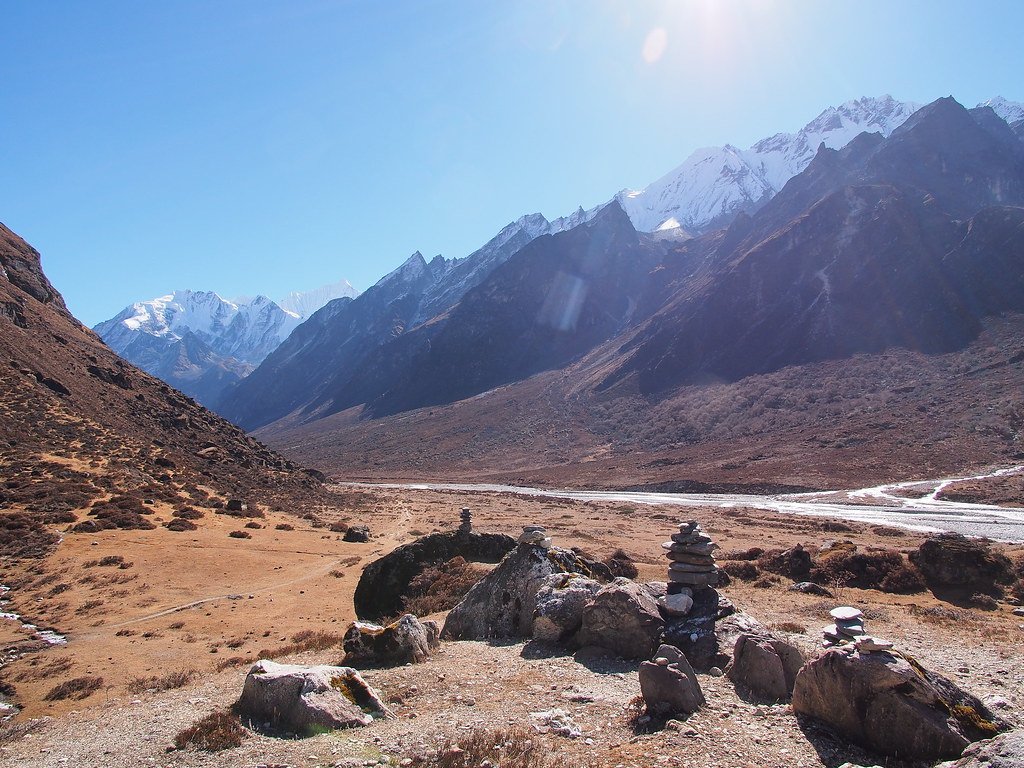
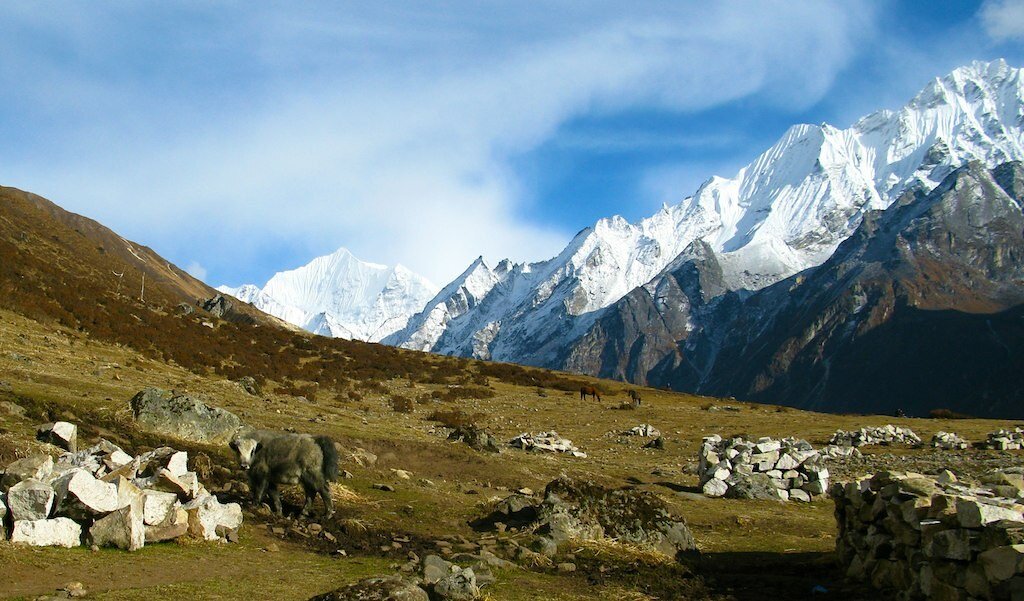
The Langtang Valley Trek is easy to moderate, suitable for most fit travelers. You’ll walk 5–6 hours per day on gradual trails, with the highest point at Kyanjin Gompa (3,870 m). No technical climbing skills are required.
The best seasons are spring (March–May) and autumn (September–November). These months offer clear skies, stable weather, and excellent mountain views, making them ideal for trekking and photography.
Most trekkers complete the trek in 7–10 days, depending on the itinerary and pace. Our standard package is 9 days, combining trekking with sightseeing and acclimatization hikes.
The trek typically costs USD 600–1,000 per person, depending on group size, accommodations, guide and porter services, and customizations. The cost usually includes permits, transportation, meals, guide, and porter.
While independent trekking is possible, hiring a licensed guide is highly recommended. Guides ensure safety, help with navigation, manage permits, and provide local insights about culture, mountains, and villages.
All trekkers must carry:
Langtang National Park Permit – allows entry into the park and supports conservation.
TIMS Card (Trekkers’ Information Management System) – helps track trekkers for safety and emergency purposes.
During the trek, you stay in local teahouses with twin or shared rooms. Meals include Dal Bhat, noodles, soups, potatoes, eggs, and local bread, along with hot drinks like tea, coffee, and lemon honey tea.
Although the trek is lower in altitude than Everest or Annapurna treks, altitude sickness can still occur. Proper acclimatization, drinking enough water, pacing yourself, and following your guide’s advice helps prevent sickness.
Related Trips
There are no reviews yet.