- Overview
- Trip Outline
- Trip Includes
- Trip Excludes
- Gallery
- Reviews
- FAQ
The Everest Base Camp Trek is one of the most iconic and sought-after trekking adventures in the world, offering a once-in-a-lifetime journey to the roof of the world. This trek takes you deep into the Sagarmatha National Park, a UNESCO World Heritage Site, where trekkers experience towering Himalayan peaks, dramatic valleys, glacial rivers, and traditional Sherpa villages along the way.
Trekking to Everest Base Camp (5,364 meters) provides an unforgettable combination of adventure, culture, and natural beauty. The trail passes through renowned Sherpa settlements such as Namche Bazaar, Tengboche, Dingboche, and Gorak Shep, offering opportunities to witness authentic mountain culture, ancient monasteries, and Buddhist rituals. Trekkers are treated to breathtaking views of Mount Everest (8,849m), Lhotse, Nuptse, Ama Dablam, and other Himalayan giants, making this trek a paradise for photography enthusiasts and nature lovers.
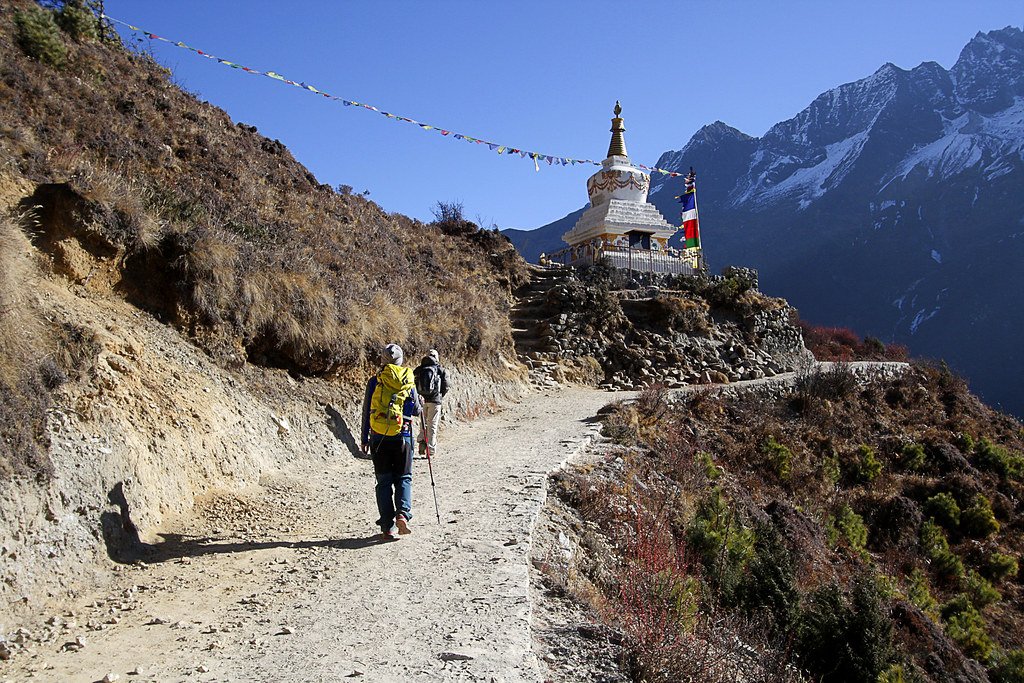
Beyond the natural landscapes, the Everest Base Camp Trek is a cultural journey. You will encounter traditional stone houses, prayer flags, mani walls, and chortens, while engaging with the warm and hospitable Sherpa communities. Festivals, local traditions, and monastery visits enrich the trekking experience, allowing travelers to immerse themselves in Tibetan Buddhist culture.
This trek is suitable for adventurers, trekkers, and travelers seeking high-altitude experiences in Nepal. Whether you aim to conquer the challenge of Everest Base Camp, capture stunning Himalayan photography, or explore Sherpa culture, this trek offers a life-changing Himalayan adventure that combines spectacular scenery, cultural immersion, and personal achievement.
Everest Base Camp Trek Highlights
- Reach Everest Base Camp (5,364m) and witness the world’s highest peak up close.
- Kala Patthar (5,545m) viewpoint offers panoramic views of Everest, Lhotse, Nuptse, and Ama Dablam.
- Explore Sagarmatha National Park, a UNESCO World Heritage Site with stunning Himalayan landscapes.
- Visit traditional Sherpa villages like Namche Bazaar, Tengboche, and Dingboche, and experience local culture.
- Discover ancient Buddhist monasteries, chortens, and prayer flags along the trekking route.
- Enjoy breathtaking mountain scenery, glaciers, deep valleys, and suspension bridges.
- Experience authentic Himalayan tea house stays with local cuisine and hospitality.
- Perfect trek for adventurers, photographers, and culture enthusiasts seeking a high-altitude Himalayan adventure.
Why Book With Us
- All treks are led by licensed and knowledgeable guides familiar with the Khumbu region, Sherpa culture, and high-altitude safety.
- Our treks include acclimatization days, cultural stops, and scenic viewpoints for a safe and memorable adventure.
- Stay in local tea houses and lodges, enjoy traditional Nepali and Sherpa cuisine, and immerse yourself in mountain culture.
- We provide emergency plans, travel insurance guidance, and reliable support staff throughout the trek.
- Options for small groups, families, or private treks allow flexibility and personalized experiences.
- We support local communities, follow sustainable trekking practices, and minimize environmental impact in the Himalayas.
Trek Difficulty Everest Base Camp Trek
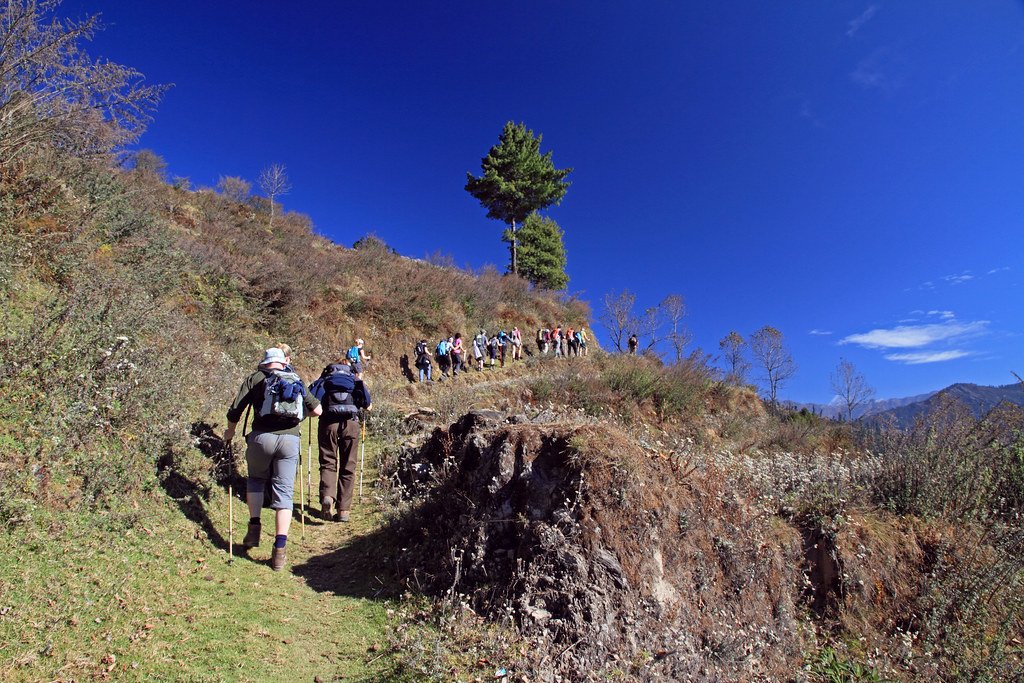
The Everest Base Camp Trek is classified as moderate to challenging, making it suitable for adventurous beginners and experienced trekkers alike. Trekkers typically walk 5–8 hours per day on rugged mountain trails, rocky paths, and steep ascents, which demand good physical fitness, stamina, and mental endurance.
The trek reaches high altitudes, with Everest Base Camp at 5,364 meters and Kala Patthar at 5,545 meters, where the thin air increases physical strain. To reduce the risk of altitude sickness, the itinerary includes acclimatization days in Namche Bazaar and Dingboche, allowing your body to adjust gradually to higher elevations.
While the terrain is challenging, the trek is well-organized with tea houses, trails, and guide support, making it achievable for trekkers who are properly prepared, fit, and motivated. This combination of high-altitude adventure, breathtaking Himalayan scenery, and cultural experiences makes the Everest Base Camp Trek a life-changing Himalayan journey.
Accommodation & Food During Everest Base Camp Trek
During the Everest Base Camp Trek, trekkers stay in local tea houses and lodges along the trail, offering a genuine Himalayan experience. Rooms are simple but comfortable, usually twin-sharing with basic bedding, and some lodges have shared bathroom facilities. Most tea houses are run by Sherpa families, providing a warm, authentic mountain atmosphere.
Meals are freshly prepared by locals and include traditional Nepali dishes like Dal Bhat (rice, lentils, and vegetables), noodles, soups, pancakes, eggs, and fried rice, as well as Tibetan specialties such as bread and momos (dumplings). Tea, coffee, and other hot beverages are available to keep trekkers energized. This combination of nutritious meals, cozy accommodations, and local hospitality ensures that trekkers remain comfortable, well-fed, and ready for long trekking days while fully immersing in the culture and lifestyle of the Khumbu region.
Permits Required for Everest Base Camp Trek
The Everest Base Camp Trek passes through Sagarmatha National Park, a protected UNESCO World Heritage Site, so obtaining the proper permits is mandatory for all trekkers. The required permits include:
-
Sagarmatha National Park Entry Permit (SNP): Grants access to the park and supports conservation of the Himalayan ecosystem.
-
Khumbu Pasang Lhamu Rural Municipality Permit (KPLRP): Required for entry into the Khumbu region, helping maintain local infrastructure and support mountain communities.
These permits not only ensure legal trekking in Nepal’s high-altitude regions but also help preserve the natural environment and rich Sherpa culture. All permits can be easily arranged through a registered trekking agency, and it is strongly recommended to trek with a licensed guide for safety, cultural guidance, and permit compliance throughout the journey.
Best Time for Everest Base Camp Trek
The best time to trek to Everest Base Camp is during the spring (March–May) and autumn (September–November) seasons, when weather conditions are stable, skies are clear, and temperatures are moderate. In spring, trekkers can enjoy blooming rhododendron forests, vibrant mountain landscapes, and ideal conditions for photography, while autumn offers crisp air, excellent visibility of Himalayan peaks, and comfortable trekking conditions. Although winter trekking is possible, it is very cold at high altitudes, and the monsoon season (June–August) is not recommended due to heavy rain, slippery trails, and potential landslides. Planning your trek during the spring or autumn season ensures a safe, scenic, and enjoyable Everest Base Camp adventure.
Culture and People of Everest Region
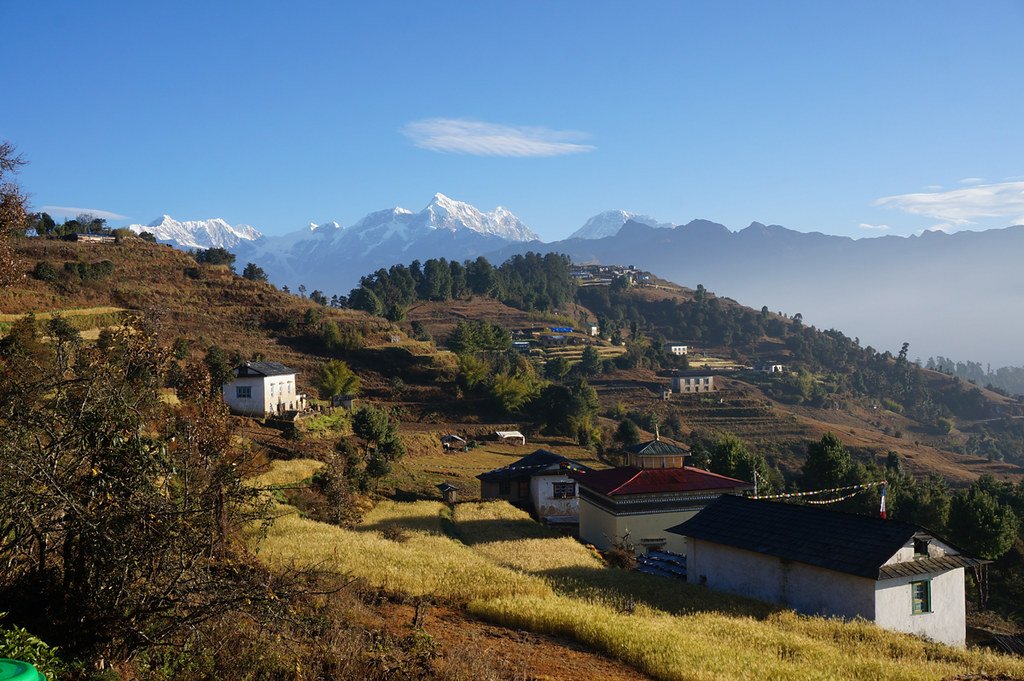
The Everest Base Camp Trek passes through the Khumbu region, home to the famous Sherpa community, renowned for their Tibetan Buddhist heritage, mountaineering skills, and resilience in high-altitude environments. Along the trail, trekkers will encounter colorful prayer flags, mani walls, and sacred chortens, symbolizing the deep-rooted Buddhist traditions of the region. The villages are dotted with traditional stone houses, cozy tea houses, and ancient monasteries, where visitors can experience local rituals, festivals, and daily Sherpa life. Interacting with the Sherpa people provides a unique cultural immersion, allowing trekkers to learn about Himalayan customs, spiritual practices, and mountain hospitality. This combination of stunning natural scenery and authentic cultural experiences makes the Everest Base Camp Trek not just an adventure, but a rich journey into the heart of Nepalese Himalayan culture.
Travel Insurance – Everest Base Camp Trek
For the Everest Base Camp Trek, travel insurance is mandatory to ensure your safety and peace of mind throughout the journey. The insurance must specifically cover high-altitude trekking up to 5,500 meters, as the trek reaches extreme elevations, including Everest Base Camp (5,364m) and Kala Patthar (5,545m).
It should also include emergency helicopter evacuation, which is crucial in the event of altitude sickness, injury, or other medical emergencies, given the remote and rugged terrain of the Khumbu region. Additionally, the policy must cover medical expenses, hospitalization, and treatment in case of illness or accidents during the trek.
Having comprehensive travel insurance ensures that trekkers are protected in high-risk, high-altitude environments, providing access to emergency services and financial security while exploring one of the most challenging and iconic trekking routes in the world.
Group Size & Transportation for Everest Base Camp Trek
The Everest Base Camp Trek requires a minimum group size of 1 people, as mandated by Nepalese trekking regulations for safety and permit compliance. Private trips can also be arranged for families, couples, or small groups, allowing for a personalized trekking experience. A licensed trekking guide is mandatory for all groups, providing cultural guidance, trail knowledge, and safety support, ensuring a smooth and enriching journey through the Khumbu region.
Transportation for the trek begins with a scenic flight from Kathmandu to Lukla, the gateway to the Everest region, offering breathtaking views of the Himalayan peaks and valleys. From Lukla, trekkers follow the trail through Namche Bazaar, Tengboche, Dingboche, and onward to Everest Base Camp, experiencing stunning landscapes and Sherpa villages along the way. After completing the trek, travelers return via flight from Lukla back to Kathmandu, or drive where applicable. For added convenience, private transportation options can be arranged to ensure a comfortable and flexible journey before and after the trek.
Packing List for Everest Base Camp Trek
Essential Clothing & Footwear:
-
Sturdy trekking boots with good ankle support for rocky and uneven trails.
-
Warm jackets and layered clothing (base layers, fleece, down jackets) to adjust to varying temperatures.
-
Waterproof jacket and pants for protection against wind and occasional rain or snow.
-
Thermal innerwear, gloves, hats, and warm socks for high-altitude cold conditions.
Sleeping & Hiking Gear:
-
Sleeping bag rated for sub-zero temperatures to stay warm in tea houses at high altitudes.
-
Trekking poles to provide stability on steep or uneven trails.
-
Backpack with rain cover to carry essentials during daily treks.
-
Gaiters to prevent snow or debris from entering boots.
Personal Care & Safety:
-
Sunglasses and sunscreen to protect against strong Himalayan UV rays.
-
Lip balm and moisturizer to prevent dryness in cold, windy conditions.
-
Personal medications and first aid kit, including altitude sickness tablets.
-
Reusable water bottles and water purification tablets to stay hydrated.
Optional / Additional Items:
-
Camera or GoPro for capturing the stunning Himalayan landscapes.
-
Headlamp or flashlight for tea house stays or early morning treks.
-
Trekking snacks such as nuts, energy bars, or chocolate for extra energy during long days.
-
Travel documents, permits, and guide contact information kept safely in a waterproof pouch.
Everest Base Camp Trek (14 Days)
- Day 1: Arrival in Kathmandu
- Day 2: Preparation & Sightseeing
- Day 3: Fly Kathmandu to Lukla, Trek to Phakding
- Day 4: Trek from Phakding to Namche Bazaar
- Day 5: Acclimatization Day – Everest View Point
- Day 6: Trek from Namche to Tengboche
- Day 7: Trek from Tengboche to Dingboche
- Day 8: Acclimatization – Nangkartshang View Point
- Day 9: Trek from Dingboche to Lobuche
- Day 10: Trek to Everest Base Camp, Return to Gorakshep
- Day 11: Hike Kala Patthar, Trek to Pangboche
- Day 12: Trek from Pangboche to Namche
- Day 13: Trek from Namche to Lukla
- Day 14: Fly back to Kathmandu
Itineraries
Day 1
Arrival in Kathmandu (1,400m)
Upon arrival at Tribhuvan International Airport in Kathmandu, you will be warmly welcomed and transferred to your hotel. After check-in, you can relax or explore the vibrant streets of Thamel, known for trekking shops and cafés. In the evening, your guide will conduct a detailed briefing about the Everest Base Camp trekking itinerary, altitude awareness, permits, gear preparation, and safety measures. This day helps you settle into Nepal before beginning your Himalayan adventure.
Day 2
Preparation & Sightseeing in Kathmandu
Today is reserved for trek preparation and optional cultural sightseeing around Kathmandu Valley. You may visit UNESCO World Heritage Sites such as Pashupatinath Temple, Boudhanath, and Swayambhunath. Meanwhile, we finalize your Sagarmatha National Park permits and check your trekking equipment. Proper preparation ensures a safe and comfortable Everest Base Camp trekking experience.
Day 3
Fly Kathmandu to Lukla (2,840m), Trek to Phakding (2,610m)
An early morning scenic mountain flight takes you to Lukla, home to the famous Tenzing-Hillary Airport, one of the world’s most thrilling airstrips. After landing, your Everest Base Camp trek officially begins. The trail gently descends through pine forests, mani stones, and traditional Sherpa villages before reaching Phakding along the Dudh Koshi River. This is an easy trekking day designed to help with gradual acclimatization.
Day 4
Trek from Phakding to Namche Bazaar (3,440m)
Today’s trek follows the Dudh Koshi River, crossing several suspension bridges, including the iconic Hillary Suspension Bridge. You enter Sagarmatha National Park at Monjo, where permits are checked. After a steady uphill climb through forested trails, you’ll catch your first glimpse of Mount Everest on a clear day. The day ends at Namche Bazaar, the vibrant Sherpa capital and main trading hub of the Everest region.
Day 5
Acclimatization Day – Everest View Point (3,880m)
Acclimatization is crucial for a successful Everest Base Camp trek. Today you hike to the Everest View Hotel for panoramic Himalayan views, including Everest, Lhotse, and Ama Dablam. The short climb helps your body adjust to higher altitude while offering stunning photography opportunities. You’ll spend the afternoon exploring Namche Bazaar, visiting local bakeries, Sherpa museums, and mountain gear shops.
Day 6
Trek from Namche to Tengboche (3,860m)
The trail from Namche offers breathtaking mountain views along a scenic ridge. You descend to the Dudh Koshi River before climbing through rhododendron forests to reach Tengboche. Here you visit the famous Tengboche Monastery, the spiritual center of the Khumbu region. Surrounded by towering Himalayan peaks, this peaceful monastery provides one of the most picturesque settings of the entire Everest trek.
Day 7
Trek from Tengboche to Dingboche (4,410m)
Today the landscape begins to change as you move above the tree line. The trail passes through Pangboche village, one of the oldest Sherpa settlements in the Everest region. As you continue toward Dingboche, the terrain becomes more open and alpine. The views of Ama Dablam become increasingly dramatic. Dingboche is a beautiful high-altitude village surrounded by stone walls protecting crops from strong Himalayan winds.
Day 8
Acclimatization – Nangkartshang View Point (5,083m)
Another important acclimatization day includes a hike to Nangkartshang View Point above Dingboche. The climb provides spectacular views of Makalu, Lhotse, and the Imja Valley. This “climb high, sleep low” strategy helps reduce the risk of altitude sickness and prepares you for higher elevations on the Everest Base Camp route.
Day 9
Trek from Dingboche to Lobuche (4,940m)
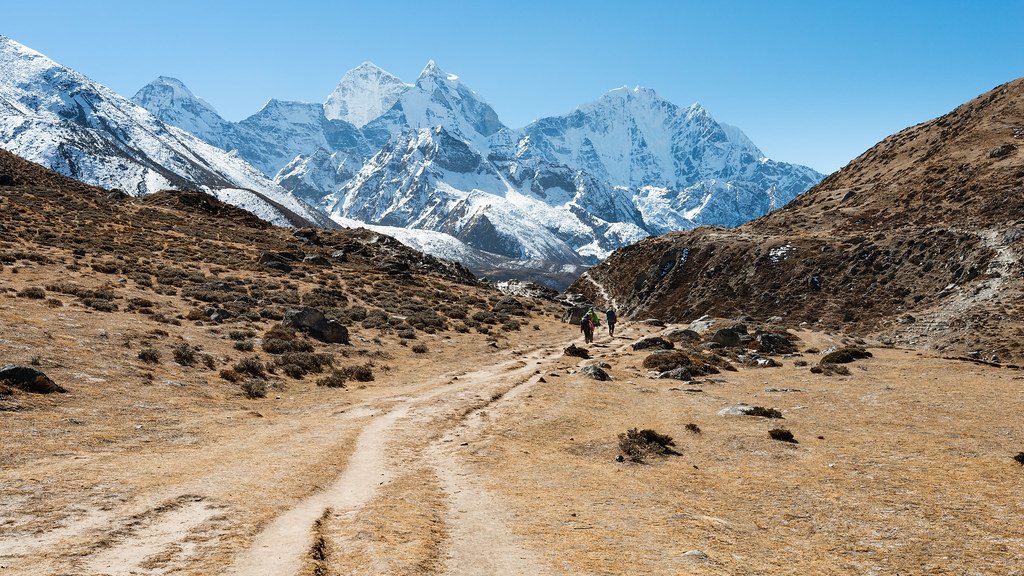
The trek continues through the Khumbu Valley toward Lobuche. You pass the Thukla Pass memorial site, where stone memorials honor climbers who lost their lives on Everest. The trail gradually ascends alongside the Khumbu Glacier, offering dramatic glacial landscapes. Lobuche is a small settlement surrounded by towering snow-capped peaks.
Day 10
Trek to Everest Base Camp (5,364m), Return to Gorakshep (5,164m)
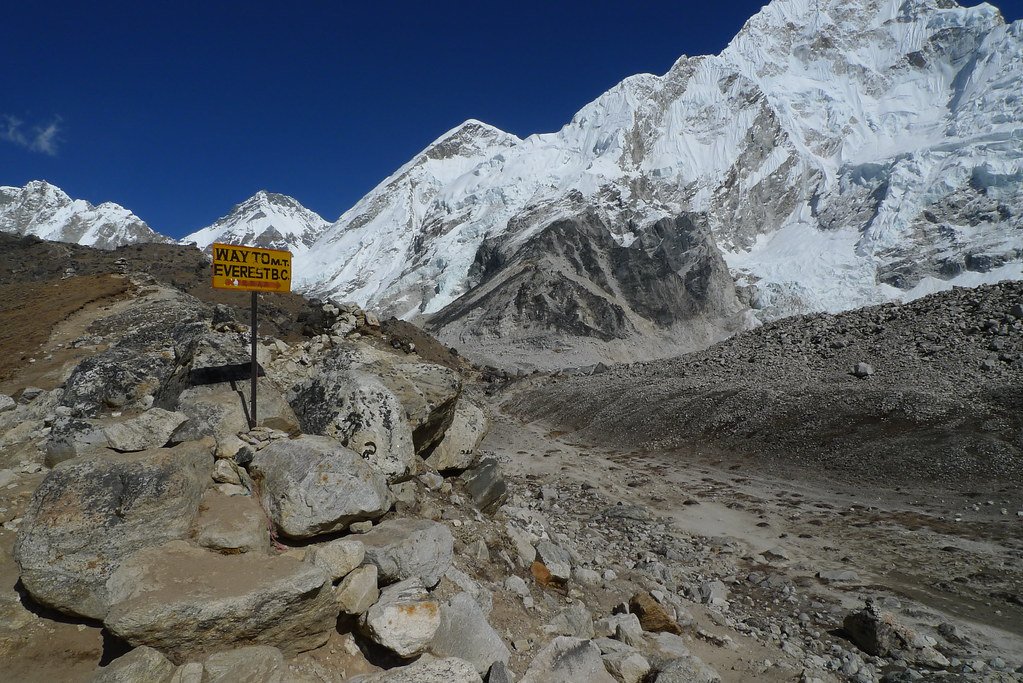
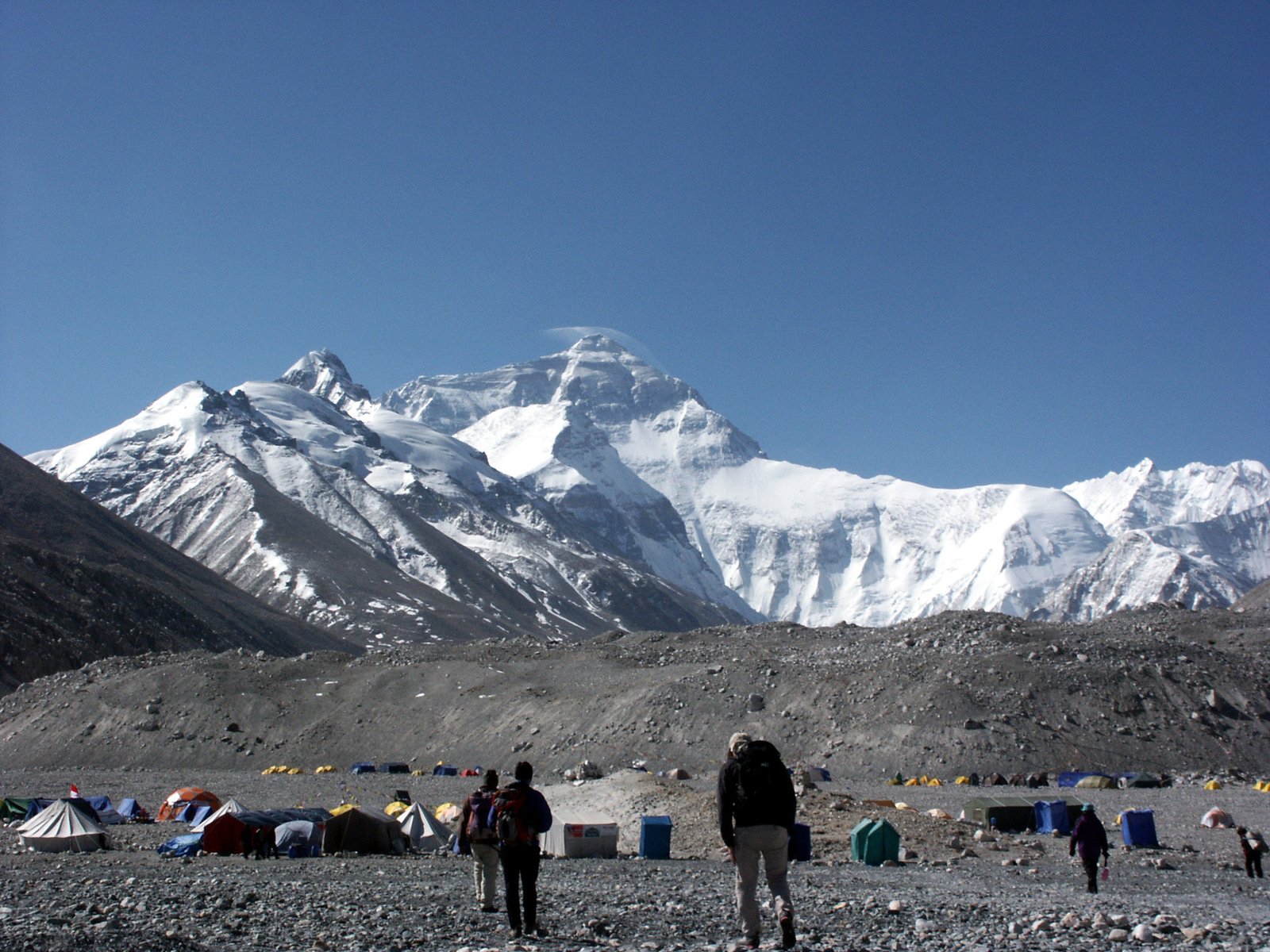
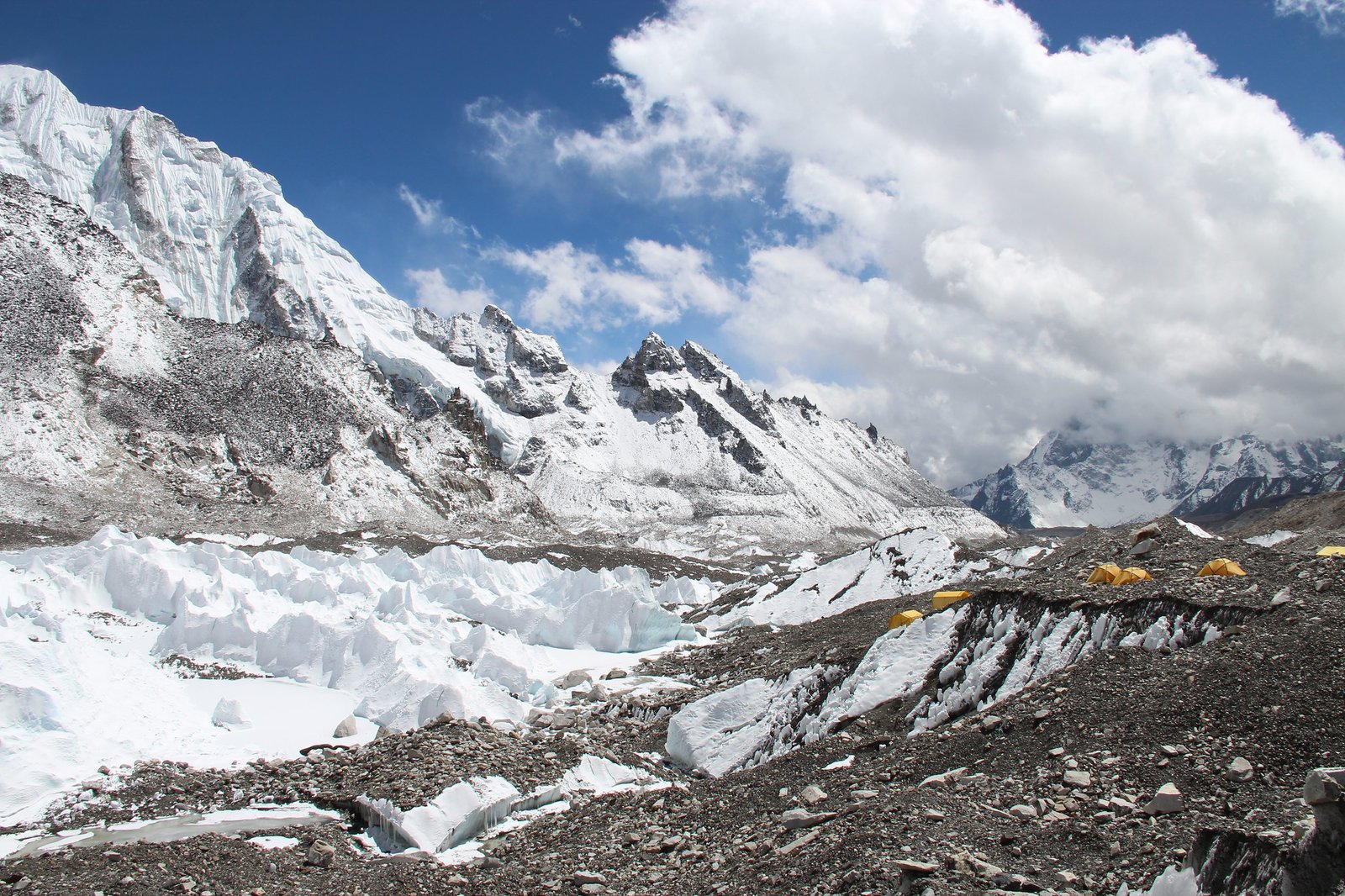
This is the highlight of your Everest Base Camp Trek. You trek along rocky glacial terrain to reach Everest Base Camp, standing at 5,364 meters. During climbing season, you may see colorful expedition tents set up by Everest climbers. After celebrating and capturing unforgettable photos, you return to Gorakshep for an overnight stay.
Day 11
Hike Kala Patthar (5,545m), Trek to Pangboche
Early morning, you hike to Kala Patthar, the best viewpoint for close-up sunrise views of Mount Everest. The golden light over Everest and surrounding peaks is the ultimate Everest trekking experience. After descending to Gorakshep for breakfast, you continue trekking down to Pangboche, enjoying easier breathing as you descend.
Day 12
Trek from Pangboche to Namche Bazaar
Retracing your steps through Tengboche and along scenic ridges, you gradually descend back to Namche Bazaar. The lower altitude makes this day more comfortable, and you can celebrate nearing the completion of your Everest Base Camp adventure.
Day 13
Trek from Namche to Lukla
Your final trekking day takes you back through Monjo and Phakding to Lukla. This is a long but rewarding walk, marking the end of your Everest Base Camp trekking journey. In the evening, enjoy a farewell dinner with your guide and porter team.
Day 14
Fly Back to Kathmandu
After breakfast, you take an early morning flight from Lukla to Kathmandu. Upon arrival, transfer to your hotel and enjoy a relaxing day in the city. Your 14-day Everest Base Camp Trek concludes with unforgettable memories of the Himalayas.
- Airport transfers in Kathmandu (arrival and departure)
- Domestic flights: Kathmandu to Lukla and return
- Accommodation in tea houses and lodges during the trek
- Meals during the trek (breakfast, lunch, and dinner)
- Professional, licensed trekking guide and support staff
- Trekking permits: Sagarmatha National Park Entry Permit (SNP) and Khumbu Pasang Lhamu Rural Municipality Permit (KPLRP)
- Staff wages, insurance, and trekking equipment for guides/porters
- Emergency support and communication throughout the trek
- Map and itinerary guidance
- International airfare to and from Nepal
- Nepal visa fees and travel insurance
- Meals in Kathmandu or additional meals outside the trekking itinerary
- Personal expenses: snacks, drinks, hot showers, Wi-Fi, battery charging
- Tips for guides and porters (recommended but optional)
- Equipment rental: trekking poles, sleeping bags, down jackets (if not provided)
- Helicopter rescue or medical evacuation costs (covered by travel insurance only)
The best seasons for the trek are spring (March–May) and autumn (September–November). These months provide clear skies, stable weather, blooming rhododendrons in spring, crisp air in autumn, and excellent visibility of Everest and other Himalayan peaks. Monsoon season (June–August) is not recommended due to heavy rainfall and slippery trails, and winter trekking is very cold.
The trek is moderate to challenging, with 5–8 hours of walking daily on rocky and uneven trails. High-altitude points like Everest Base Camp (5,364m) and Kala Patthar (5,545m) make it physically demanding. Good fitness, stamina, and acclimatization days in Namche Bazaar and Dingboche are essential to reduce the risk of altitude sickness.
Trekkers must obtain the Sagarmatha National Park Entry Permit (SNP) and the Khumbu Pasang Lhamu Rural Municipality Permit (KPLRP). These permits protect the environment and local culture. All permits are arranged through a licensed trekking agency, and trekking with a licensed guide is mandatory.
Accommodation is in tea houses and lodges, offering twin-sharing rooms with basic bedding. Meals are freshly prepared and include Dal Bhat, noodles, soups, pancakes, eggs, momos, and Tibetan bread, along with tea, coffee, and hot drinks. Staying in these tea houses provides a genuine Sherpa cultural experience.
Yes, travel insurance is mandatory. It must cover high-altitude trekking up to 5,500m, emergency helicopter evacuation, and medical expenses. Insurance ensures safety in remote areas where medical services are limited, giving trekkers peace of mind during the journey.
The trek starts with a flight from Kathmandu to Lukla, followed by trekking through Namche Bazaar, Tengboche, Dingboche, and onward to Everest Base Camp. Return is via Lukla flight to Kathmandu. The minimum group size is 2 people, with options for private trips for couples, families, or small groups. A licensed guide is mandatory for safety, cultural guidance, and permit compliance.The trek starts with a flight from Kathmandu to Lukla, followed by trekking through Namche Bazaar, Tengboche, Dingboche, and onward to Everest Base Camp. Return is via Lukla flight to Kathmandu. The minimum group size is 2 people, with options for private trips for couples, families, or small groups. A licensed guide is mandatory for safety, cultural guidance, and permit compliance.
Related Trips
There are no reviews yet.