- Overview
- Trip Outline
- Trip Includes
- Trip Excludes
- Gallery
- FAQ
The Annapurna Circuit Trek with Tilicho Lake is one of the most iconic Himalayan treks in Nepal, attracting adventure enthusiasts, nature lovers, and cultural explorers from around the world. Known for its diverse landscapes, the trek takes you from lush subtropical forests and terraced farmlands in lower elevations to the high-altitude alpine deserts of the Annapurna region. Trekkers pass through remote mountain villages, ancient monasteries, and traditional settlements inhabited by Gurung, Thakali, and Tibetan communities, offering a deep cultural experience along the way.
By including Tilicho Lake, one of the highest lakes in the world at 4,919 meters, this trek becomes an extraordinary adventure that combines high-altitude trekking, panoramic Himalayan views, and off-the-beaten-path exploration. Trekkers are rewarded with breathtaking views of Annapurna I, Dhaulagiri, Manaslu, and Machapuchhre (Fishtail), making it one of the most photogenic treks in Nepal.
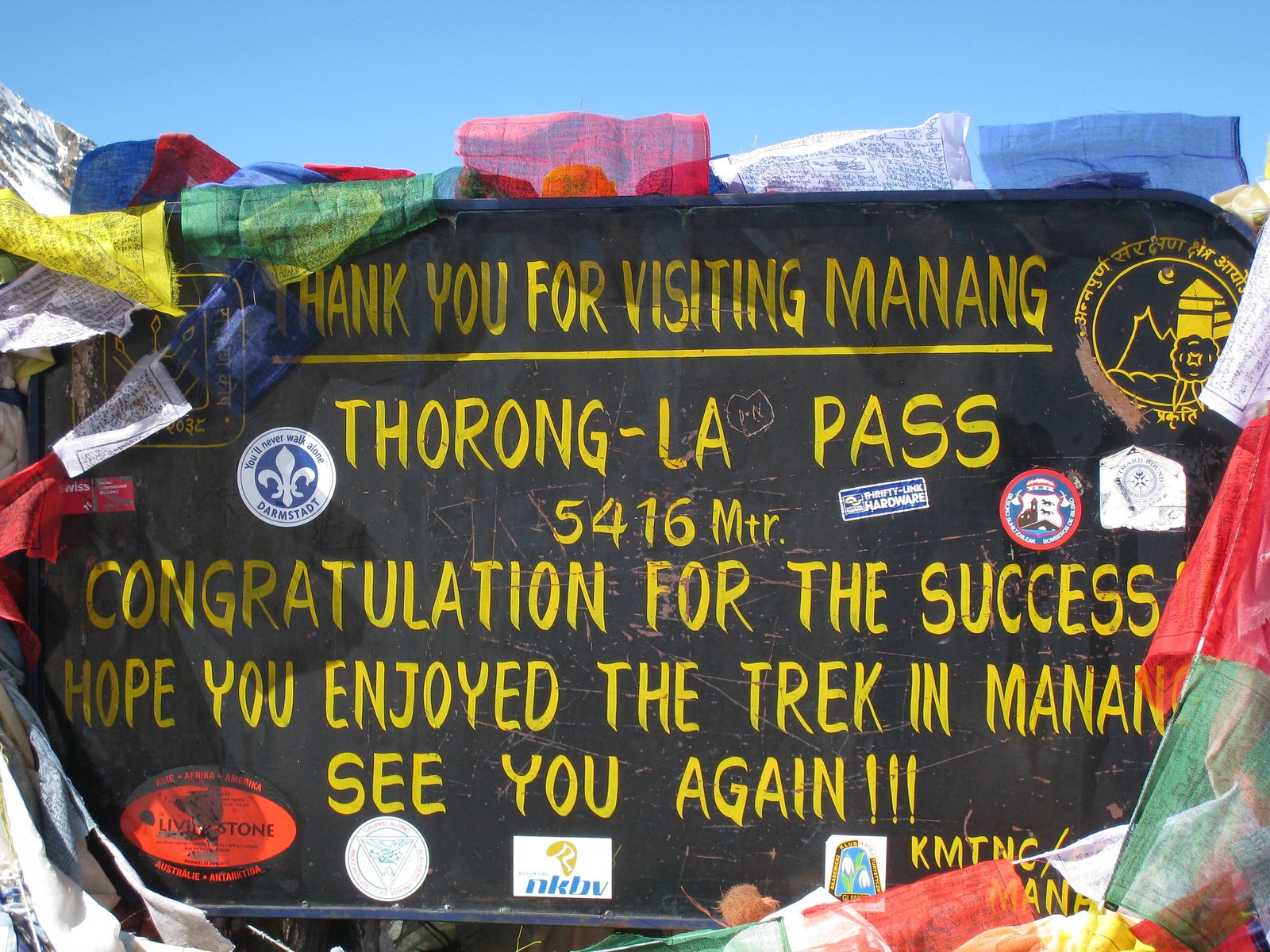
The journey culminates in crossing the Thorong La Pass (5,416 m), a feat that is both challenging and exhilarating, offering uninterrupted 360-degree mountain vistas. Along the way, trekkers will experience the diverse ecosystems of the Annapurna Conservation Area, including rhododendron forests, alpine meadows, and high-altitude deserts, making it a complete Himalayan adventure for all nature lovers and trekking enthusiasts.
Whether you are seeking a Nepal adventure trek, a high-altitude trekking challenge, or an immersive cultural experience in the Himalayas, the Annapurna Circuit with Tilicho Lake is the perfect choice. This trek combines adventure, nature, and culture in one epic journey, making it one of the top trekking experiences in Nepal.
Why This Trek is Special
- Trek through the Annapurna Conservation Area, home to diverse flora and fauna.
- Explore traditional Gurung, Thakali, and Tibetan cultures in mountain villages.
- Witness stunning panoramic views of Annapurna I & II, Dhaulagiri, Manaslu, Machapuchhre.
- Cross the challenging yet rewarding Thorong La Pass.
- Visit Tilicho Lake (4,919 m), one of the highest lakes globally.
- Experience the Kali Gandaki Gorge, the deepest gorge in the world.
Food & Accommodation on the Annapurna Circuit Trek with Tilicho Lake
During the Annapurna Circuit Trek with Tilicho Lake, accommodation is a mix of local tea houses and lodges, which are cozy, basic, and run by local families. Most lodges offer private or shared rooms with simple beds, blankets, and sometimes hot water for showers, although availability can be limited at higher altitudes, especially above 4,000 meters. In villages such as Manang, Pisang, and Muktinath, lodges are slightly more equipped and may offer electricity and small charging facilities. In Kathmandu and Pokhara, trekkers can enjoy comfortable 3★ or boutique hotels with modern amenities, providing a comfortable start and end to the trek.
Food on the trek is both hearty and culturally enriching, with local Nepali and Tibetan dishes dominating the menu. The staple meal is Dal Bhat, a nutritious combination of rice, lentils, and vegetables, often served with pickles and curries—perfect for refueling after a long day of trekking. Momos (Nepali dumplings filled with vegetables or meat) and Thukpa (Tibetan-style noodle soup) are widely available in mountain lodges and provide a warm, comforting meal in the high altitudes. Many lodges also serve Western-style options such as pasta, omelets, pancakes, and sandwiches for trekkers seeking familiar flavors.
Snacks and energy foods are also readily available in most villages along the route, including chocolate bars, biscuits, energy bars, and roasted nuts, which are essential for maintaining energy during long trekking days. Fresh fruits like apples, oranges, and bananas are available in lower villages, while in higher-altitude regions, dried fruits and canned items are more common. Drinking water is generally available, but trekkers are advised to purify water using tablets or filters, as clean tap water may not always be reliable. Tea, coffee, and hot chocolate are widely available and are perfect for warming up during cold mornings and evenings.
This combination of local cuisine, Western food options, and cozy mountain lodges ensures that trekkers on the Annapurna Circuit with Tilicho Lake have comfortable, nourishing, and culturally immersive experiences throughout their journey in the Himalayas.
Best Time to Trek the Annapurna Circuit with Tilicho Lake
The Annapurna Circuit Trek with Tilicho Lake can be attempted almost year-round, but the best seasons for trekking are spring (March to May) and autumn (September to November). During spring, the rhododendron forests are in full bloom, and the weather is mild, offering clear mountain views and vibrant landscapes, making it ideal for photography and nature lovers. Autumn provides stable skies, dry trails, and pleasant temperatures, allowing trekkers to fully enjoy panoramic vistas of the Annapurna, Dhaulagiri, and Manaslu ranges.
Winter trekking, from December to February, is colder and less crowded, providing snow-covered landscapes and peaceful trails, but higher elevations, including Thorong La Pass, may be challenging or risky due to snow and icy conditions. The monsoon season (June to August) is generally not recommended for trekking, as heavy rainfall makes trails slippery, increases the risk of landslides, and often limits visibility of the Himalayan peaks.
Trek Difficulty of the Annapurna Circuit with Tilicho Lake
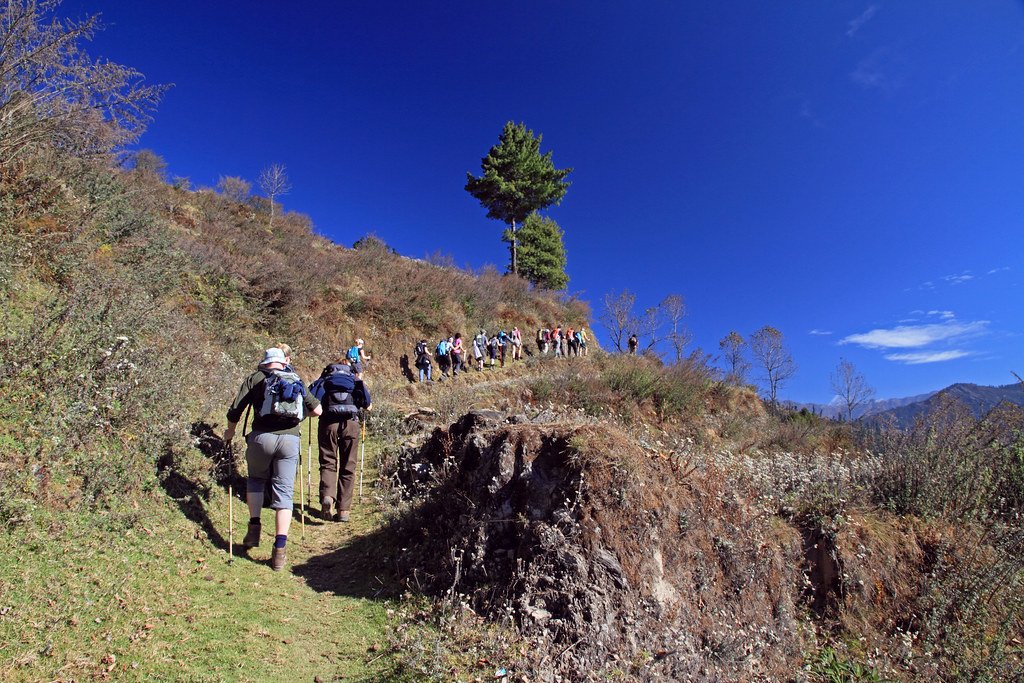
The Annapurna Circuit Trek with Tilicho Lake is considered moderate to strenuous, making it suitable for trekkers with a reasonable level of fitness and prior hiking experience. The trek involves long days of walking, often 5–9 hours, with variable terrain that ranges from gentle forest paths to steep ascents and rocky trails at higher altitudes. The key challenges of this trek include the Thorong La Pass (5,416 m), one of the highest trekking passes in the world, and the high-altitude journey to Tilicho Lake (4,919 m). Both sections demand strong physical stamina, mental focus, and careful pacing.
Acclimatization is a critical part of the trek to prevent altitude sickness, especially in villages like Manang and at High Camp near Thorong La. Trekkers are encouraged to take short hikes, rest, and hydrate properly during these days to allow the body to adjust to thinner air. While the trek is challenging, it is very rewarding, offering some of the most spectacular panoramic views of the Annapurna, Dhaulagiri, Manaslu, and Machapuchhre ranges. With proper preparation, a guided support team, and moderate trekking experience, this journey provides a safe, unforgettable high-altitude adventure in Nepal.
Views & Scenic Highlights of the Annapurna Circuit with Tilicho Lake
The Annapurna Circuit Trek with Tilicho Lake offers some of the most breathtaking views and scenic highlights in the Himalayas. Trekkers are treated to panoramic vistas of towering peaks including Annapurna I, II, III, Machapuchhre (Fishtail), Dhaulagiri, and Tilicho Peak, each presenting a unique spectacle of snow-capped grandeur. One of the trek’s most iconic landmarks is Tilicho Lake, a stunning turquoise high-altitude lake surrounded by rugged peaks and glaciers, creating a picture-perfect alpine setting that is both serene and awe-inspiring.
The route also passes through the Kali Gandaki Gorge, known as the world’s deepest gorge, where the towering cliffs and fast-flowing river create dramatic natural scenery. Along the way, trekkers experience traditional mountain villages, ancient Buddhist and Hindu monasteries, and terraced farmlands that showcase the harmony of local life with the harsh Himalayan environment. Forests of rhododendron, pine, and juniper add bursts of color in spring and autumn, while high alpine meadows and stark rocky landscapes above Manang and Thorong La provide otherworldly vistas. Every day on the trek brings new perspectives of the Himalayas, making it a visual feast for photographers, nature lovers, and adventure enthusiasts alike.
Annapurna Circuit Trek with Tilicho Lake (14 Days)
- Day 1: Arrival in Kathmandu
- Day 2: Preparation & Sightseeing
- Day 3: Drive Kathmandu to Besisahar, Drive to Dharapani
- Day 4: Trek from Dharapani to Chame
- Day 5: Trek from Chame to Upper Pisang
- Day 6: Trek from Upper Pisang to Manang
- Day 7: Acclimatization / Exploration Day at Manang
- Day 8: Trek from Manang to Tilicho Base Camp
- Day 9: Trek to Tilicho Lake, Return to Shree Kharka
- Day 10: Trek from Shree Kharka to Yak Kharka
- Day 11: Trek from Yak Kharka to Thorong High Camp
- Day 12: Cross Thorong La Pass, Trek to Muktinath
- Day 13: Drive from Muktinath to Pokhara
- Day 14: Drive back to Kathmandu
Itineraries
Day 1
Arrival in Kathmandu
Upon arrival at Tribhuvan International Airport in Kathmandu, you will be warmly welcomed and transferred to your hotel. After settling in, there will be a welcome briefing with your trekking team, where important details about the trek, permits, and equipment checks are discussed. The evening can be spent exploring the local area or resting in preparation for the adventure ahead.
Day 2
Preparation & Sightseeing in Kathmandu
This day is dedicated to preparing for the trek and exploring Kathmandu’s rich cultural heritage. Trekkers will collect necessary permits such as the TIMS card and Annapurna Conservation Area Permit (ACAP). Optional sightseeing includes visits to Pashupatinath Temple, Boudhanath Stupa, and Durbar Square in Kathmandu or Patan, providing a cultural immersion before heading into the Himalayas. Trekking gear is checked and packed, ensuring everything is ready for the journey.
Day 3
Drive Kathmandu to Besisahar, then to Dharapani
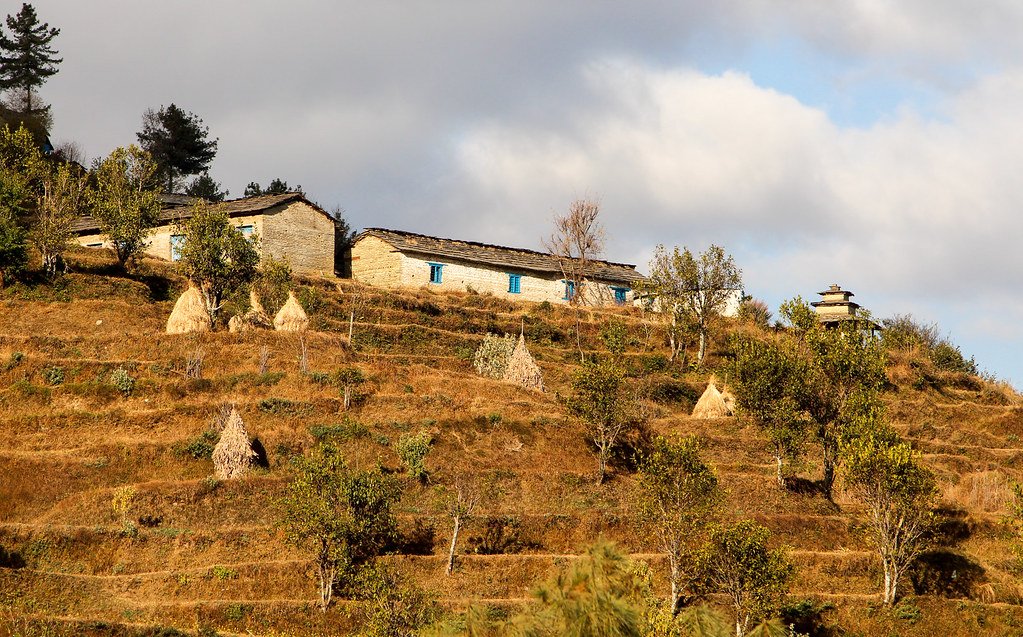
The trek officially begins with a scenic drive to Besisahar, the starting point of the Annapurna Circuit. From Besisahar, the journey continues by vehicle to Dharapani, a picturesque village along the Marsyangdi River. The drive offers stunning river valleys, terraced farmlands, and views of Lamjung Himal. Upon arrival in Dharapani, trekkers settle into lodges for an overnight stay and an early start the following day.
Day 4
Trek from Dharapani to Chame
From Dharapani, the trail gradually ascends along the Marsyangdi River, passing through dense forests, small settlements, and suspension bridges. This part of the trek offers magnificent views of Annapurna II and Lamjung Himal while acclimatizing to higher altitudes. The trek is moderately challenging but scenic, with Chame welcoming trekkers with its traditional Tibetan-style houses and cozy lodges.
Day 5
Trek from Chame to Upper Pisang
The trail from Chame to Upper Pisang climbs through rhododendron forests and alpine terrain, offering a glimpse of Manang Valley’s high landscapes. Trekkers pass through Lower Pisang and continue ascending to Upper Pisang, where views of Pisang Peak, Annapurna II, and Annapurna III are spectacular. Lodges in Upper Pisang provide warm meals and basic comforts, with the chance to explore the village and its ancient monastery.
Day 6
Trek from Upper Pisang to Manang
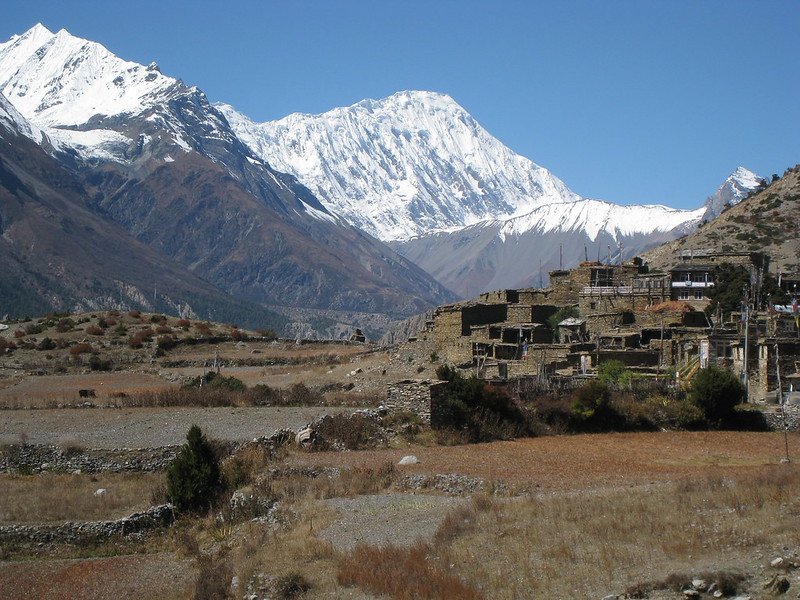
This day’s trek leads to Manang, a key acclimatization hub in the Annapurna Circuit. The trail passes through open valleys and alpine landscapes, with breathtaking views of Gangapurna, Annapurna III, and Tilicho Peak. Upon reaching Manang, trekkers settle into lodges and have the opportunity to explore the village, visit monasteries, or take a short hike to nearby viewpoints, allowing the body to adjust to higher altitude before the challenging Tilicho Lake trek.This day’s trek leads to Manang, a key acclimatization hub in the Annapurna Circuit. The trail passes through open valleys and alpine landscapes, with breathtaking views of Gangapurna, Annapurna III, and Tilicho Peak. Upon reaching Manang, trekkers settle into lodges and have the opportunity to explore the village, visit monasteries, or take a short hike to nearby viewpoints, allowing the body to adjust to higher altitude before the challenging Tilicho Lake trek.
Day 7
Acclimatization / Exploration Day at Manang
A full day in Manang is reserved for acclimatization and short hikes, essential to prevent altitude sickness. Trekkers can hike to Ice Lake Viewpoint, Gangapurna Glacier, or nearby alpine meadows, enjoying panoramic views of snow-capped peaks. The day is also perfect for interacting with locals, learning about Gurung and Thakali cultures, and relaxing before ascending to higher elevations.
Day 8
Trek from Manang to Tilicho Base Camp
The trek to Tilicho Base Camp is challenging but incredibly rewarding. Trekkers pass through rocky alpine terrain, yak pastures, and high mountain deserts, with Tilicho Peak looming in the distance. This high-altitude trek requires careful pacing, as the trail gradually ascends to Tilicho Base Camp, where lodges or camps provide a resting place before the early morning trek to Tilicho Lake.
Day 9
Trek to Tilicho Lake and Return to Shree Kharka
An early morning trek brings you to Tilicho Lake (4,919 m), one of the highest lakes in the world. Surrounded by snow-capped peaks and glaciers, the lake offers an awe-inspiring photographic and spiritual experience. After exploring the lake, trekkers descend to Shree Kharka for an overnight stay. This day involves both a steep ascent and descent, making it a full high-altitude trekking challenge.
Day 10
Trek from Shree Kharka to Yak Kharka
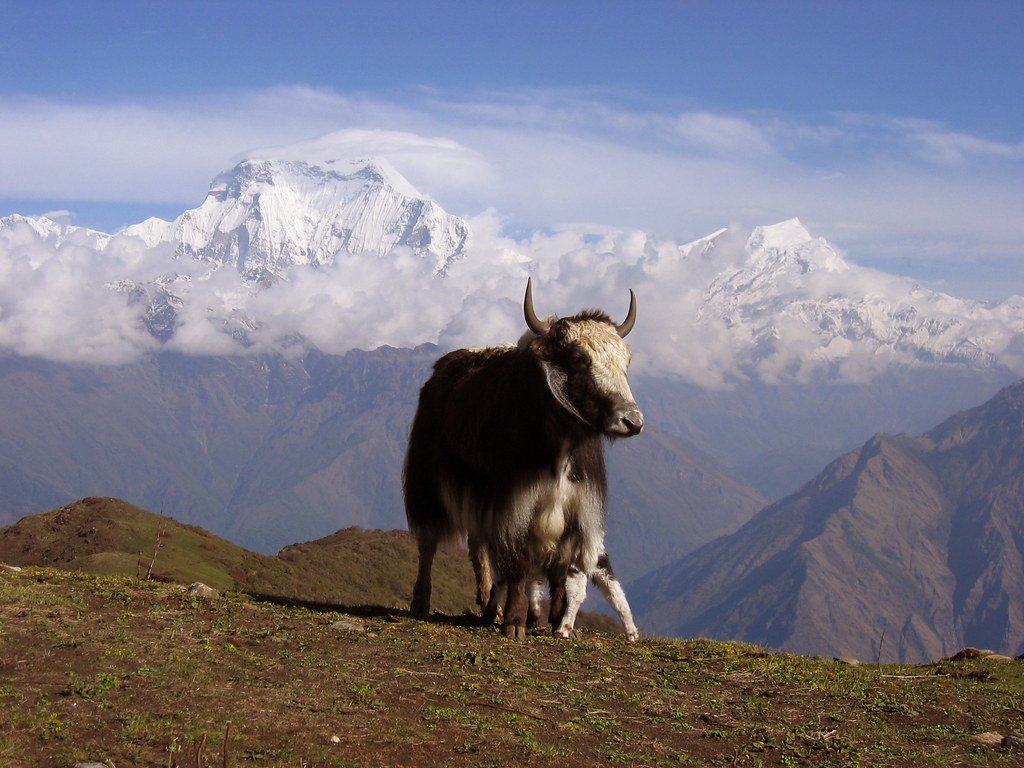
From Shree Kharka, the trail descends and gradually rises again to Yak Kharka (4,050 m), passing through alpine meadows and yak grazing areas. Trekkers enjoy stunning views of Tilicho Peak, Thorong Peak, and the surrounding high-altitude landscape. Yak Kharka offers a quiet, remote stop for the night in lodges with basic amenities.
Day 11
Trek from Yak Kharka to Thorong High Camp
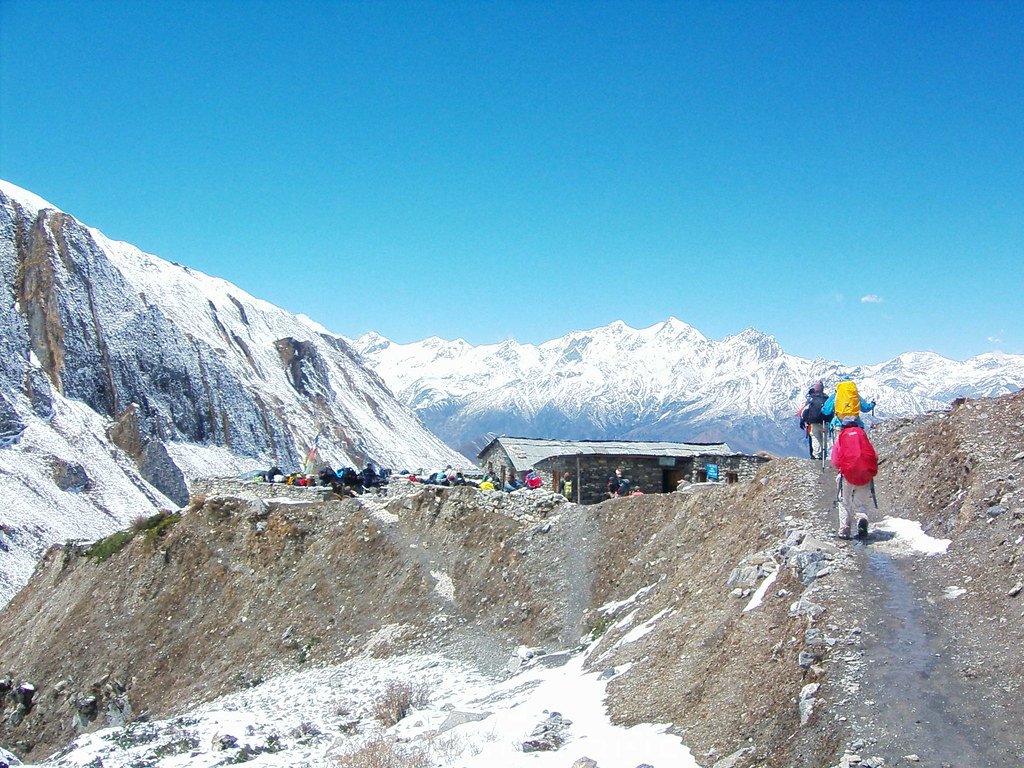
This day prepares trekkers for Thorong La Pass. The trail ascends steeply through rocky terrain and narrow ridges, offering panoramic vistas of Annapurna, Gangapurna, and the high Manang valley. Thorong High Camp serves as the final overnight stop before the early morning pass crossing, with basic but adequate lodge accommodation.
Day 12
Cross Thorong La Pass and Trek to Muktinath
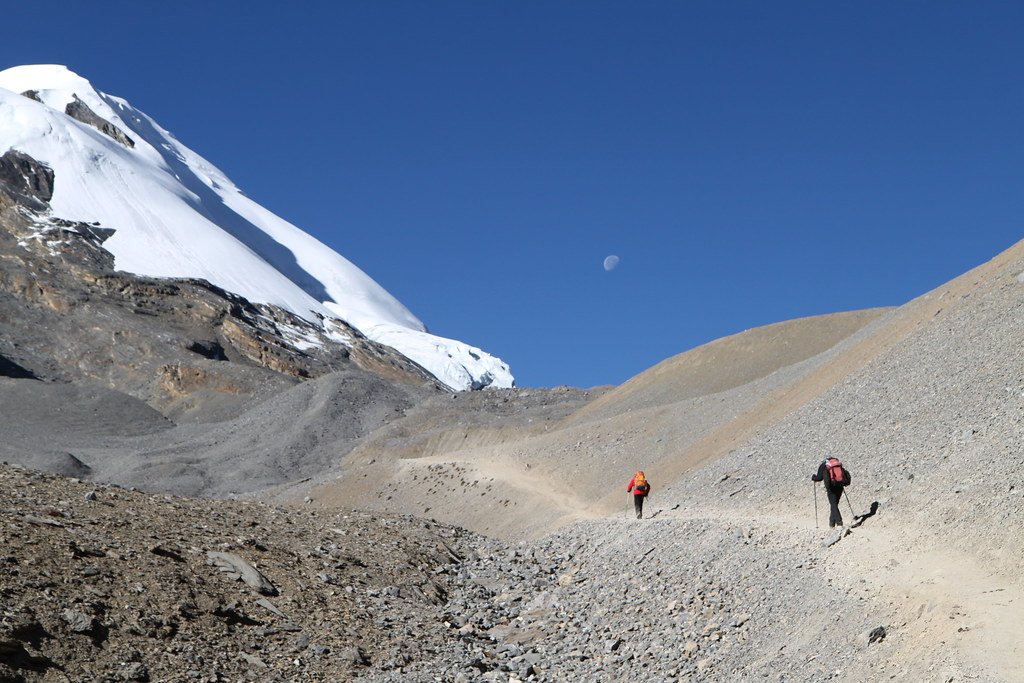
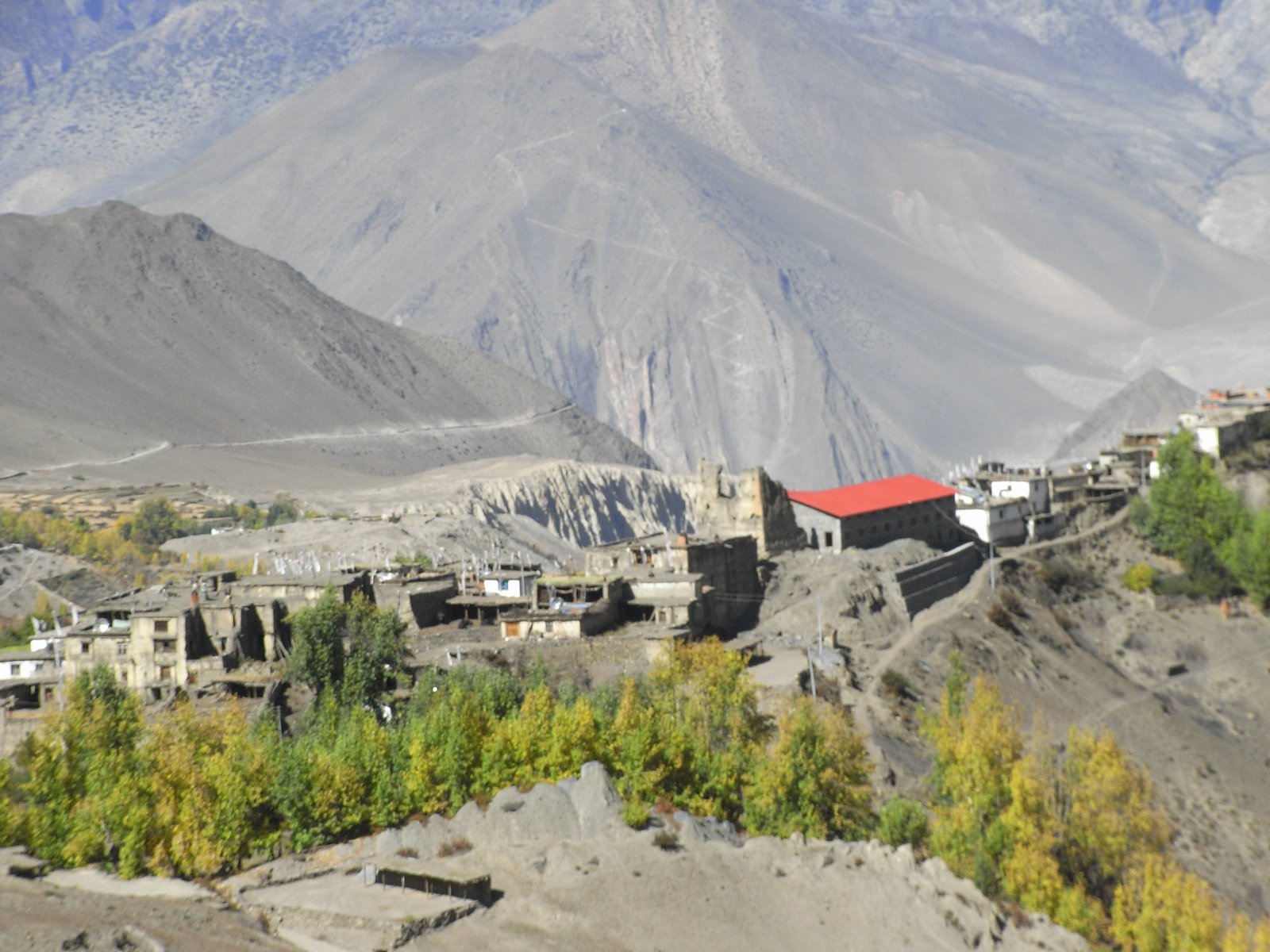
One of the most memorable days of the trek, starting before sunrise to cross Thorong La Pass (5,416 m). Trekkers are rewarded with 360-degree panoramic views of the Annapurna and Dhaulagiri ranges. After the pass, the trail descends steeply through the Kali Gandaki Valley to the sacred village of Muktinath, a pilgrimage site for both Hindus and Buddhists. Overnight lodges provide comfortable rest after the strenuous day.
Day 13
Drive from Muktinath to Pokhara
From Muktinath, trekkers drive to Pokhara, the serene lakeside city. The journey descends through the Kali Gandaki Valley, offering scenic views of rivers, cliffs, and remote villages. In Pokhara, trekkers can relax, enjoy Phewa Lake, visit Davis Falls, or explore local markets, celebrating the completion of the Annapurna Circuit trek.
Day 14
Drive Back to Kathmandu
The trek concludes with a scenic drive back to Kathmandu. Along the way, trekkers can enjoy views of the mountain valleys and terraced landscapes of central Nepal. Upon arrival in Kathmandu, there is time for souvenir shopping, cultural exploration, or relaxing before departing for international flights the following day.
- Airport/Bus pick-up and drop-off in Pokhara
- Transportation to trekking start point (Nayapul)
- Licensed English-speaking trekking guide
- Porter service (1 porter per 2 trekkers)
- Accommodation in teahouses during the trek
- Three meals per day while trekking
- ACAP & TIMS permits
- Guide and porter insurance, salary, and meals
- Basic first-aid kit carried by the guide
- Government taxes and service charges
- Airport/Bus pick-up and drop-off in Pokhara
- Transportation to trekking start point (Nayapul)
- Licensed English-speaking trekking guide
- Porter service (1 porter per 2 trekkers)
- Accommodation in teahouses during the trek
- Three meals per day while trekking
- ACAP & TIMS permits
- Guide and porter insurance, salary, and meals
- Basic first-aid kit carried by the guide
- Government taxes and service charges
- Travel and trekking insurance (mandatory)
- Accommodation and meals in Pokhara
- Personal trekking equipment and gear
- Hot showers, Wi-Fi, and charging fees during the trek
- Drinks, snacks, and personal expenses
- Tips for guide and porter (optional)
- Costs due to itinerary changes, weather, or emergencies
It’s recommended for trekkers with moderate experience due to high altitude and long trekking days.
Typically 14–16 days including acclimatization and Tilicho Lake visit.
Thorong La Pass at 5,416 m is the highest point.Thorong La Pass at 5,416 m is the highest point.
Local Dal Bhat, momo, noodles, and western options like pasta and pancakes.
Yes, highly recommended for safety, navigation, and carrying gear.
Spring (March–May) and Autumn (September–November) offer the clearest views and comfortable weather.
Related Trips