
- Overview
- Trip Outline
- Trip Includes
- Trip Excludes
- Gallery
- Reviews
- FAQ
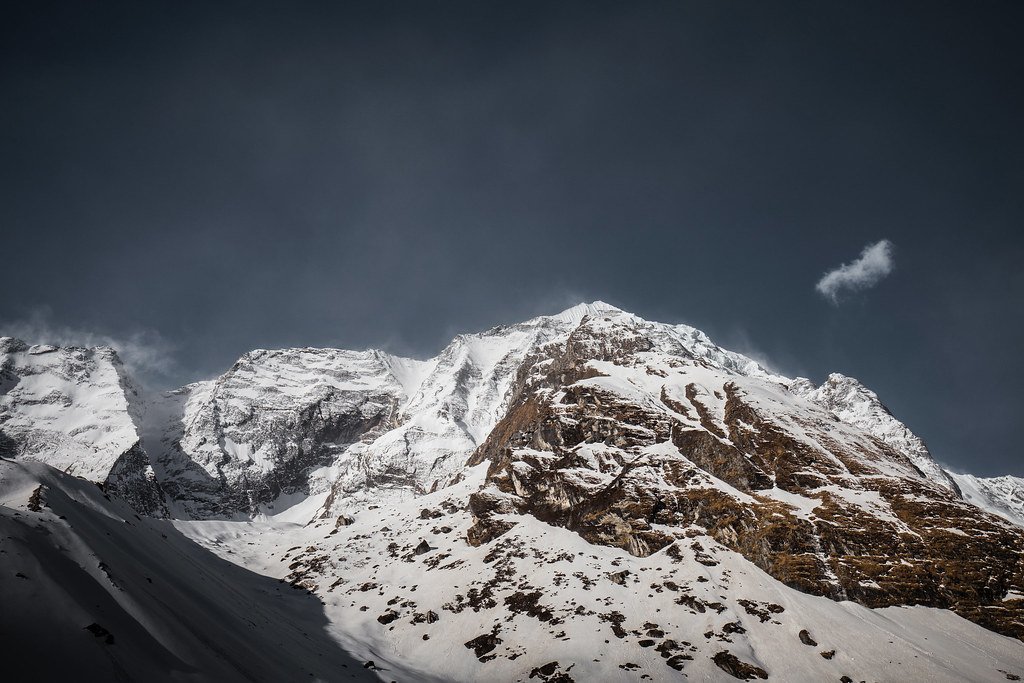
The Annapurna Base Camp Trek, also known as the ABC Trek, is one of the most popular and beautiful trekking routes in Nepal. It takes you deep into the Annapurna mountain range, all the way to the base of Annapurna I (8,091 m), one of the highest mountains in the world.
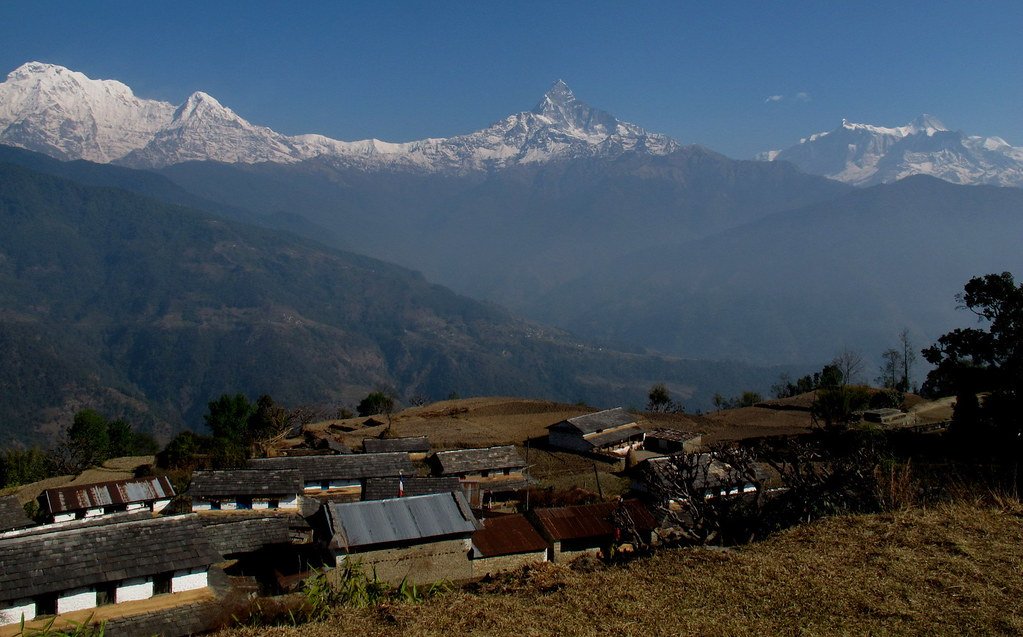
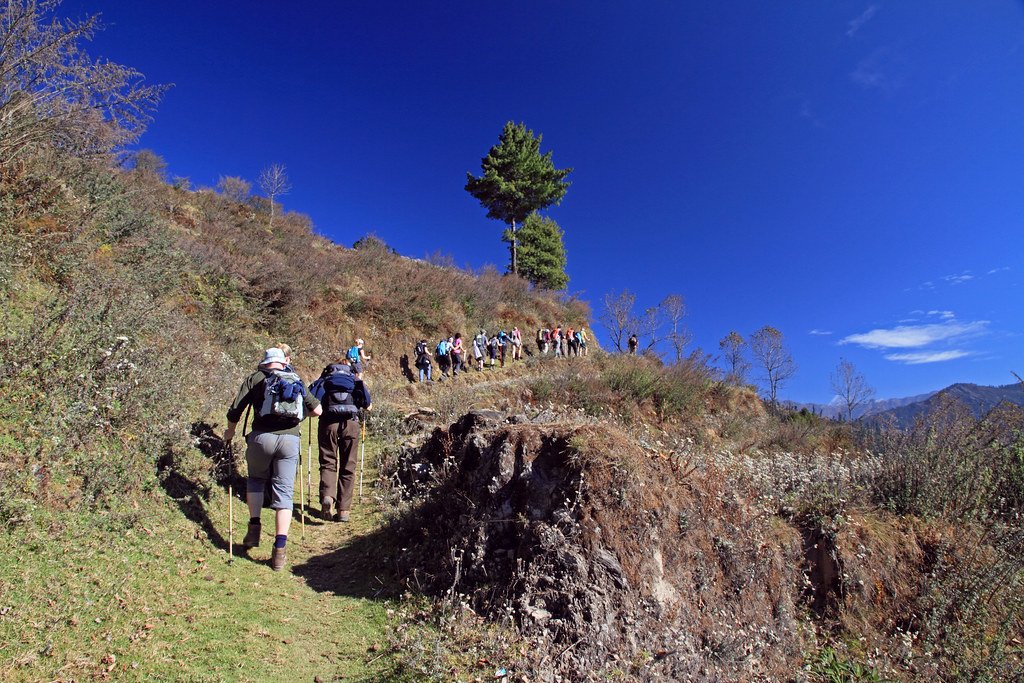
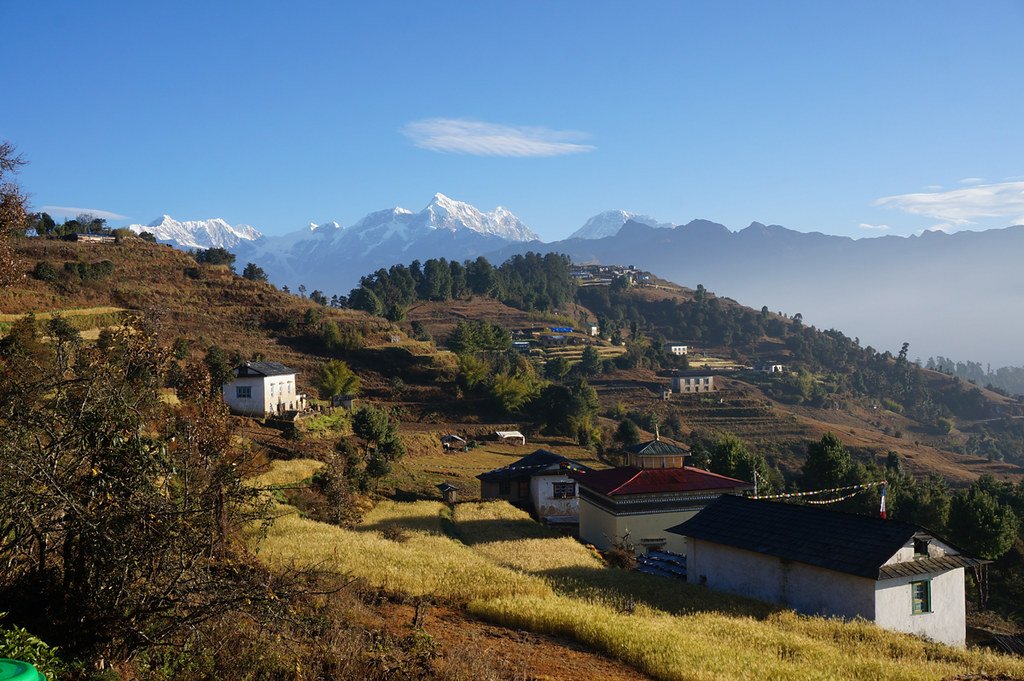
During this trek, you walk through green forests, rivers, waterfalls, and colorful rhododendron hills, passing small traditional villages where Gurung and Magar families live. Along the way, you can experience local culture, mountain life, and warm Nepali hospitality by staying in simple teahouses run by local people.
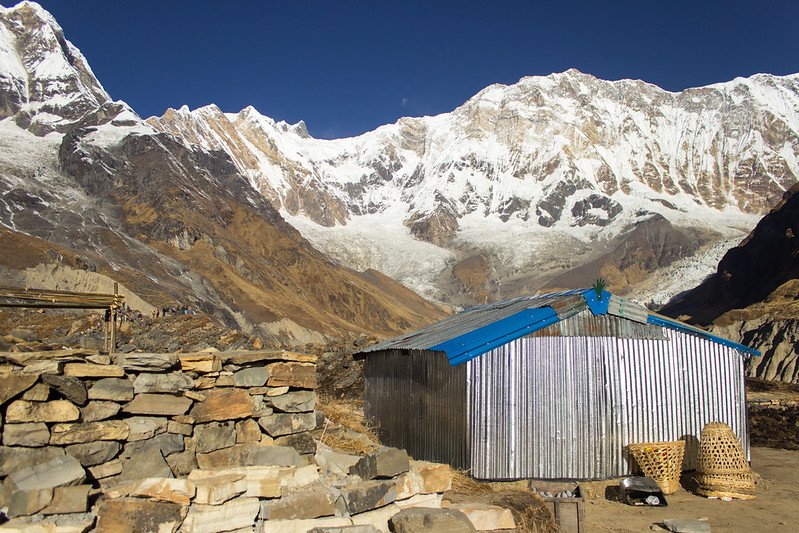
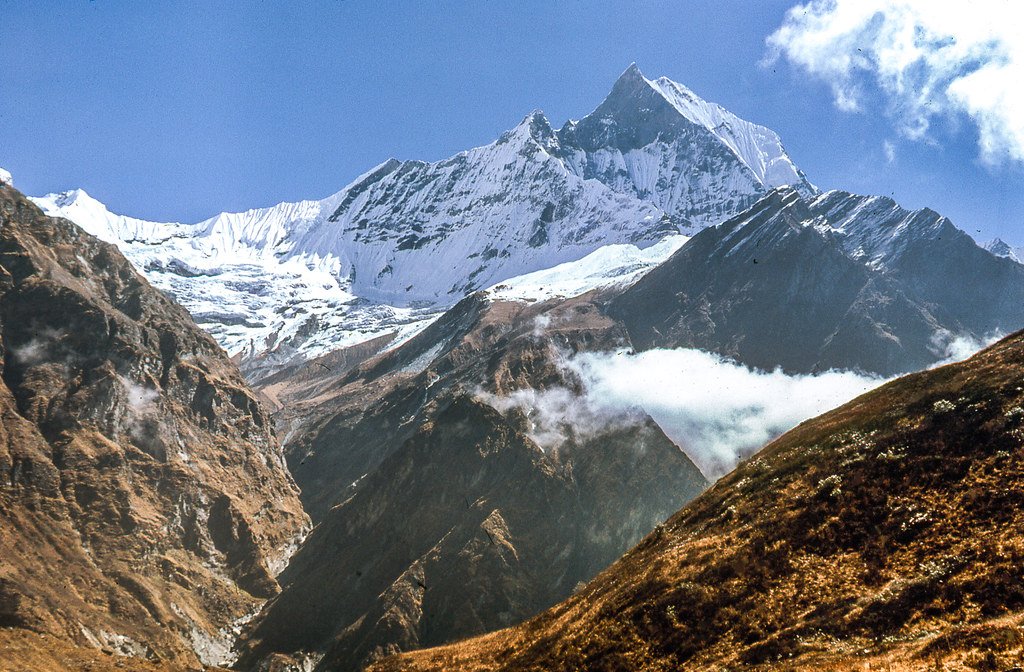
The highlight of the trek is reaching Annapurna Base Camp (4,130 m). Here, you stand in a natural bowl-shaped valley surrounded by giant Himalayan peaks like Annapurna I, Annapurna South, Hiunchuli, and Machhapuchhare (Fishtail Mountain). The views at sunrise and sunset are unforgettable.
The Annapurna Base Camp Trek is considered moderate, meaning it is suitable for people with good fitness, even if they are trekking in Nepal for the first time. It does not require technical climbing skills, only regular walking and determination.
Why Choose the Annapurna Base Camp Trek?
- You can enjoy close-up views of Annapurna I, Machhapuchhare (Fishtail), Hiunchuli, and many other beautiful Himalayan peaks.
- The trek takes you through green forests, rivers, waterfalls, and colorful rhododendron hills.
- You will walk through traditional Gurung and Magar villages and meet friendly local people along the way.
- Each night you stay in local teahouses that provide simple rooms and warm meals.
- Reaching Annapurna Base Camp lets you stand among towering mountains in a stunning natural setting.
- The trek is challenging but suitable for most fit trekkers, including beginners with preparation.
- It offers a full Himalayan trekking experience in a relatively short amount of time.
- The Annapurna Base Camp Trek gives great mountain views, culture, and comfort at a reasonable cost.
No details found.
Itineraries
Day 1
Arrival in Kathmandu
On the first day, you arrive in Kathmandu, the capital city of Nepal. After landing at Tribhuvan International Airport, you will be welcomed and transferred to your hotel. Once you check in, you can rest after your journey or take a short walk around the nearby streets. Kathmandu is full of life, with colorful shops, local food, and cultural sights. In the evening, you can enjoy a traditional Nepali dinner and prepare for the adventure ahead.
Day 2
Trek Preparation, Permits & Kathmandu Sightseeing
This day is used to prepare for the trek. You will check your trekking gear, buy or rent any missing items, and complete the required permits for the Annapurna region. After preparation, you can explore some famous places in Kathmandu such as Swayambhunath (Monkey Temple), Pashupatinath Temple, or Boudhanath Stupa. These sites show Nepal’s rich culture and history. In the evening, you will attend a trek briefing and rest early for the journey ahead.
Day 3
Drive Kathmandu – Pokhara – Samrung, Trek to Sinuwa
Early in the morning, you drive from Kathmandu to Pokhara, enjoying views of rivers, hills, and villages along the way. From Pokhara, you continue driving to Samrung, the starting point of the trek. After a short break, you begin trekking through forests and small settlements. The trail passes stone steps and green scenery. After several hours of walking, you reach Sinuwa, where you stay overnight in a tea house.
Day 4
Trek from Sinuwa to Deurali
Today’s trek takes you deeper into the Annapurna Sanctuary. You walk through dense forests of bamboo and rhododendron while following the Modi Khola river. The trail slowly goes uphill, and the air becomes cooler. Along the way, you pass small villages and enjoy mountain views. By afternoon, you reach Deurali, a quiet place surrounded by high cliffs and peaks. You rest here to help your body adjust to the higher altitude.
Day 5
Trek from Deurali to Annapurna Base Camp
This is the most exciting day of the trek. You walk through Machhapuchhre Base Camp and enjoy amazing views of snow-covered mountains. The trail is gentle but at a high altitude, so you walk slowly. After a few hours, you reach Annapurna Base Camp at 4,130 meters. You are surrounded by giant peaks like Annapurna I, Annapurna South, and Machhapuchhre. The scenery is breathtaking, especially during sunset. You spend the night at the base camp.
Day 6
Trek from Annapurna Base Camp to Sinuwa
You wake up early to see the sunrise over the Himalayas, which is a truly unforgettable experience. After breakfast, you start trekking downhill, retracing your steps back through Machhapuchhre Base Camp and Deurali. The descent is easier on the lungs but can be tough on the knees. You pass forests and rivers again before reaching Sinuwa, where you rest for the night.
Day 7
Trek to Jhinu Hot Spring, Drive to Pokhara
On this day, you trek down to Jhinu Danda. After reaching Jhinu, you walk a short distance to the natural hot springs near the river. Here, you can relax your tired muscles in the warm water. After enjoying the hot spring, you continue trekking to the road point and then drive back to Pokhara. In Pokhara, you can enjoy a comfortable hotel stay and celebrate the completion of the trek.
Day 8
Drive from Pokhara to Kathmandu / Departure
On the final day, you drive from Pokhara back to Kathmandu, enjoying the last views of Nepal’s hills and rivers. After reaching Kathmandu, you can shop for souvenirs or relax at your hotel. Depending on your flight schedule, you will be transferred to the airport for departure, carrying beautiful memories of the Annapurna Base Camp trek.
- Airport pick-up and drop-off in Kathmandu (private vehicle)
- All ground transportation as per the itinerary (Kathmandu–Pokhara–trek start/end points)
- Experienced, licensed English-speaking trekking guide
- Porter service (usually 1 porter for every 2 trekkers)
- Accommodation in local teahouses during the trek
- Three meals per day during the trek (breakfast, lunch, dinner)
- Annapurna Conservation Area Permit (ACAP)
- TIMS (Trekkers’ Information Management System) Card
- Guide and porter insurance, salary, food, and accommodation
- Basic first-aid kit carried by the guide
- Government taxes and service charges
- Travel and trekking insurance (Expected)
- Accommodation and meals in Kathmandu and Pokhara (unless specified)
- Personal trekking gear and equipment
- Hot showers, Wi-Fi, battery charging, and bottled drinks during the trek
- Alcoholic drinks and soft drinks
- Tips for guide and porter (optional but appreciated)
- Any extra costs due to itinerary changes, weather, or emergencies
- Personal expenses such as snacks, laundry, and souvenirs
The Annapurna Base Camp Trek is a moderate-difficulty trek. It is suitable for people with good physical fitness who can walk 5–7 hours a day. No technical climbing skills are required, making it ideal for first-time trekkers in Nepal with proper preparation.
The best seasons for the Annapurna Base Camp Trek are spring (March–May) and autumn (September–November). These months offer clear mountain views, stable weather, and comfortable temperatures, which are perfect for trekking.
Most trekkers complete the Annapurna Base Camp Trek in 7 to 12 days, depending on the starting point, walking pace, and itinerary. We also offer customized itineraries for travelers with limited time or those who want a more relaxed trek.
The cost of the Annapurna Base Camp Trek typically ranges from USD 800 to USD 900 per person. The price depends on group size, duration, guide and porter services, accommodation, meals, permits, and transportation. Contact us for custom quotes and group discounts.
While it is possible to trek independently, we strongly recommend hiring a licensed guide. A guide ensures your safety, helps with navigation, manages permits, and enhances your experience with local knowledge and cultural insight especially at higher altitudes.
Related Trips

There are no reviews yet.